Ładowanie mapy…
Pénzes-Csontos Cave
The Pénzes-Csontos Cave is a small but fascinating cave system in the Pilis Mountains, tucked into the rocky slopes of Mount Oszoly. Formed by connecting two originally separate caves - Pénzes Cave and Csontos Cave - it now offers a single passage system that appeals to nature lovers and cave enthusiasts alike.
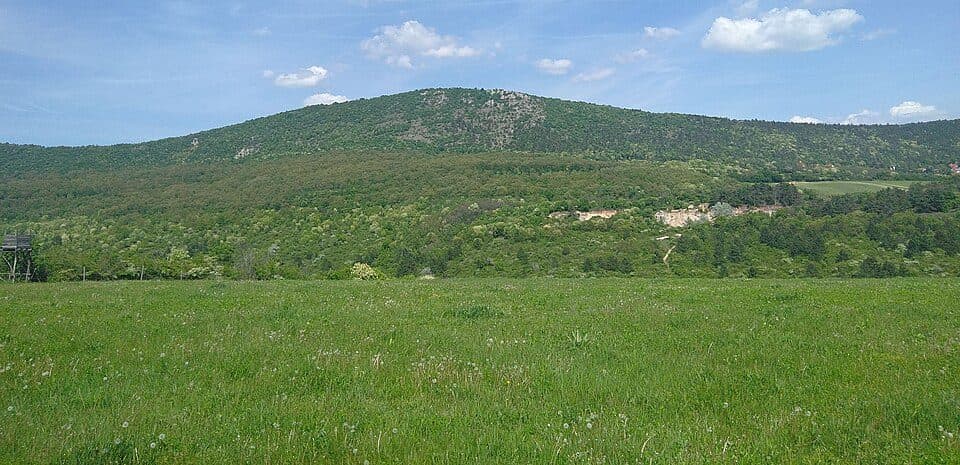
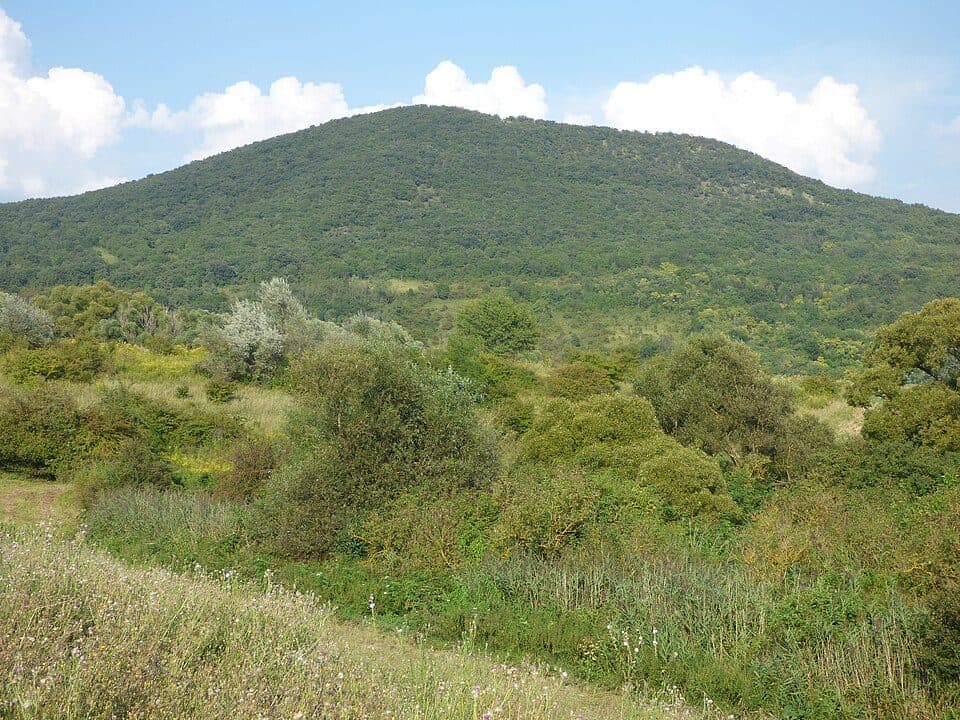
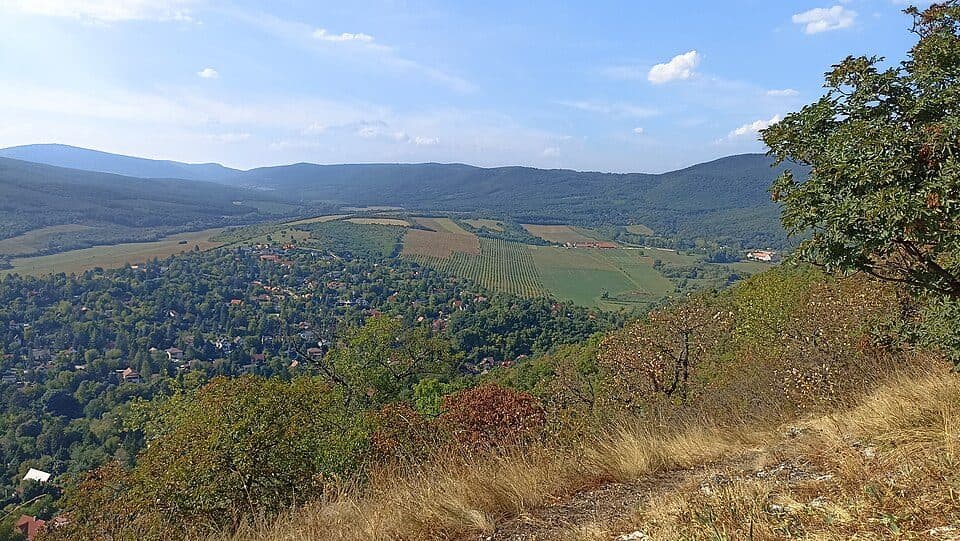
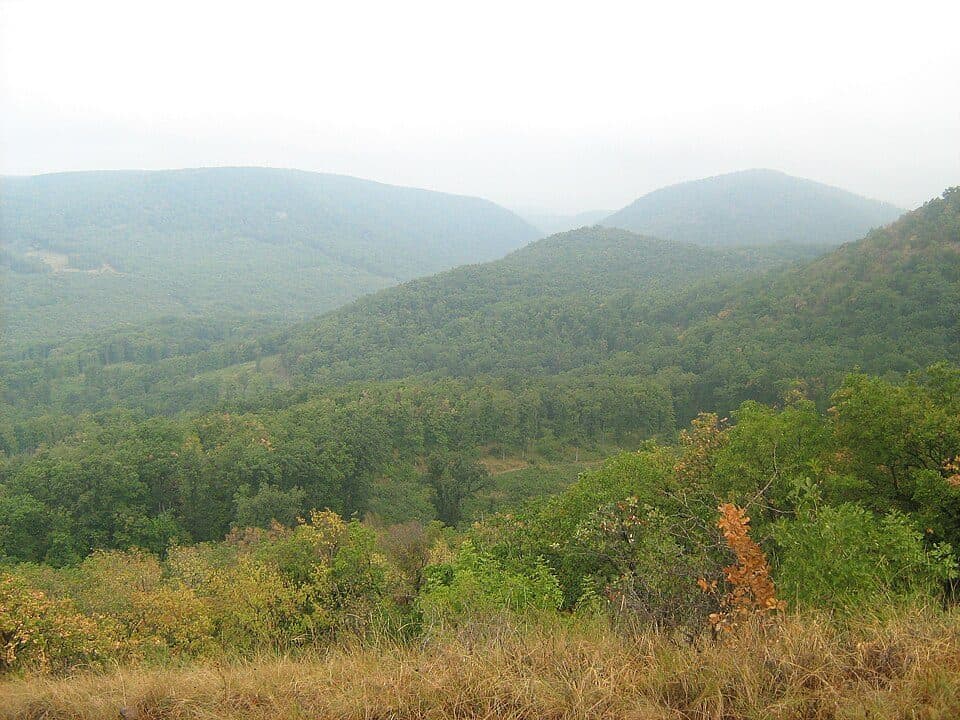
The surrounding landscape is classic Pilis territory - limestone outcrops wrapped in forest, quiet clearings, and views that take on a rugged, atmospheric quality in winter and early spring. The cave developed in Upper Triassic Dachstein limestone, with rounded dissolution forms suggesting it was shaped by phreatic (groundwater) processes. Csontos Cave in particular yielded numerous animal bones in its infill, giving the cave its name.
How to get there
- Rock cluster north of Óra-szikla on Mount Oszoly - approached from Csobánka; the terrain is rocky and requires care
Practical information
- Located within the Danube-Ipoly National Park
- No special equipment is needed to enter, though work clothes and a torch are recommended for Csontos Cave
- The surrounding rock faces of Oszoly are popular among rock climbers
The humus-filled floor of Csontos Cave contained bones of toads, snakes, moles, foxes, badgers, wildcats and roe deer - the discovery that gave the cave its name.