Ładowanie mapy…
Lower Morava Valley
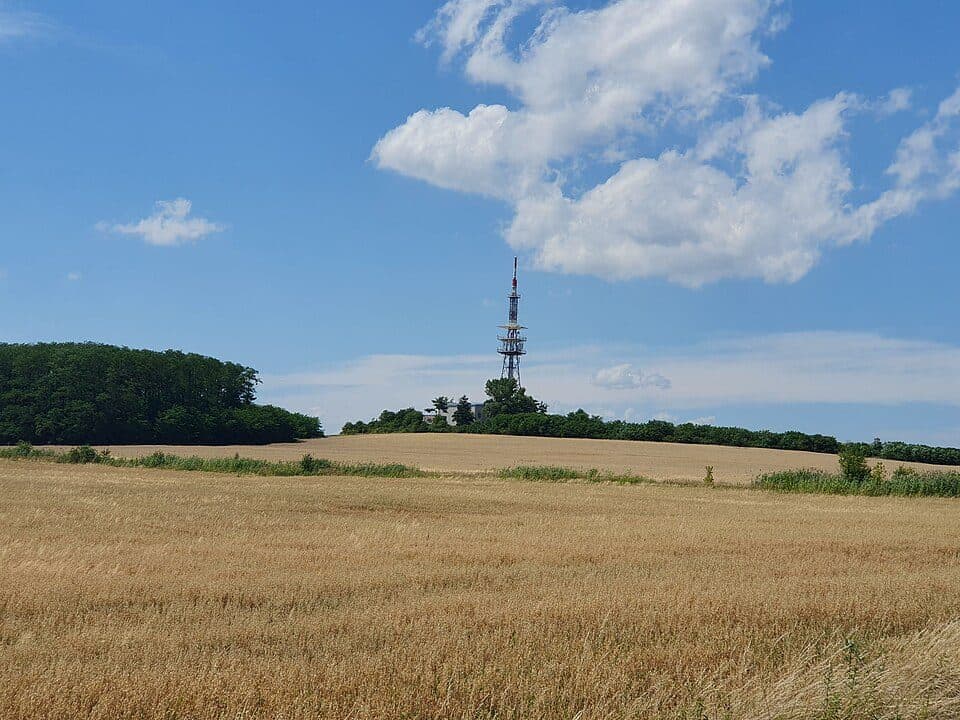
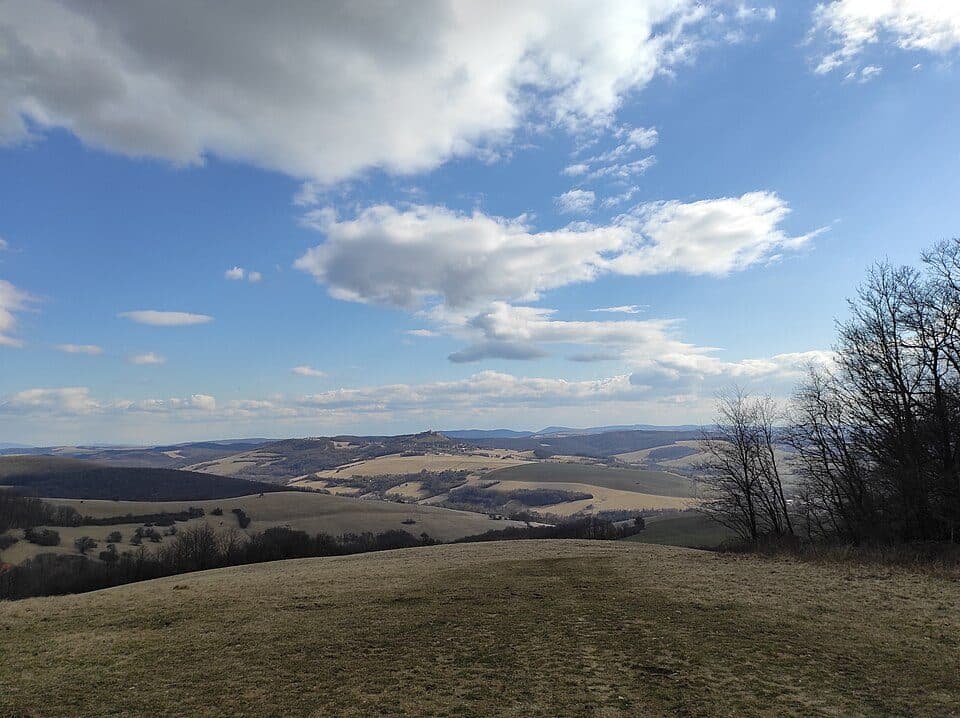
The Lower Morava Valley — known in Czech as Dolnomoravský úval — is a wide, fertile lowland stretching along the lower course of the Morava River, spanning southern Moravia and the western edge of Slovakia. It ranks among the warmest regions in the Czech Republic and offers visitors a gentle, unhurried landscape of meandering rivers, floodplain forests and sweeping meadows. If flat, easy walking through rich natural scenery is what you are after, this valley delivers in abundance.
The terrain sits between just 150 and 200 metres above sea level, shaped by ancient tectonic subsidence that made it a northern extension of the Vienna Basin. The Morava River forms the main north–south axis, while the Dyje River joins as its right-bank tributary. Seasons paint the valley in very different moods: spring brings flooded meadows alive with birds, summer offers cool shade in the riparian forests, and autumn turns the willows and poplars into ribbons of gold. Between the towns of Bzenec and Hodonín you will find a surprising pocket of wind-blown sands and dunes covered with pine forests — an unusual sight among the surrounding fertile black-earth soils.
How to get there- Bzenec or Hodonín — convenient starting points for exploring the dune area and pine forests; walking trails available, difficulty: easy
- From the Slovak side via Záhorie — the valley transitions smoothly into the similar Borská nížina lowland, accessible from villages across the Slovak border
- Parts of the area are protected floodplain habitats — please stick to marked paths
- Accessible year-round; note that spring river levels can be high after snowmelt
Fascinating fact: this lowland is a tectonic depression connected to the Upper Morava Valley through the Napajedla Gate — geological forces that shaped this valley are the same ones that once formed the ancient Vienna Sea.
Source: Wikipedia (license CC BY-SA 4.0)