Ładowanie mapy…
Úhošť
Peak
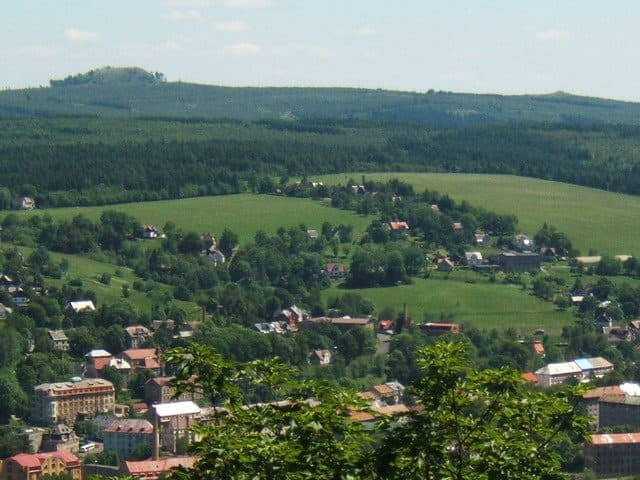
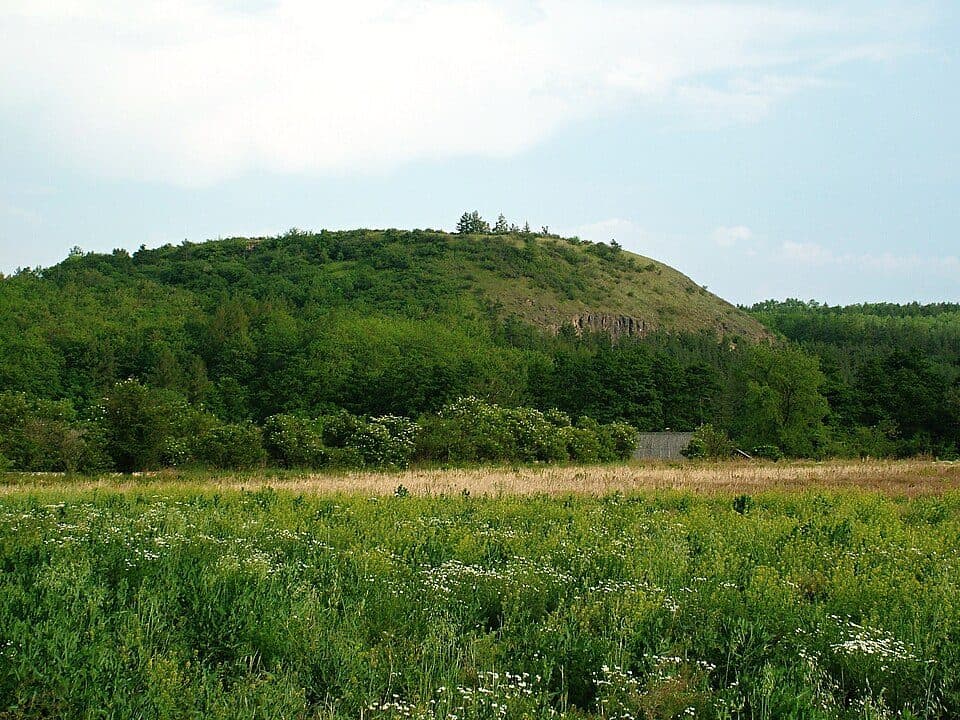
Ore MountainsÚhošť is a compact volcanic table mountain rising above the Ohře river valley in the Doupov Hills of northwest Bohemia, protected as a National Nature Reserve. What makes it special is the extraordinary mix of dry steppes, rocky basalt outcrops, oak-hornbeam forests and small summit wetlands — all packed into one relatively modest hill that punches well above its weight in terms of natural diversity.
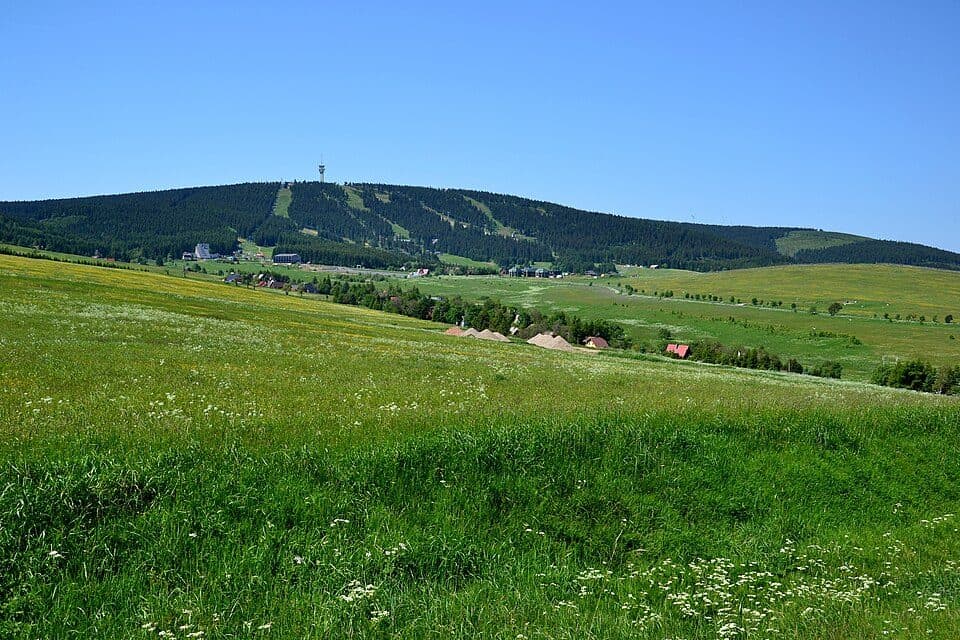
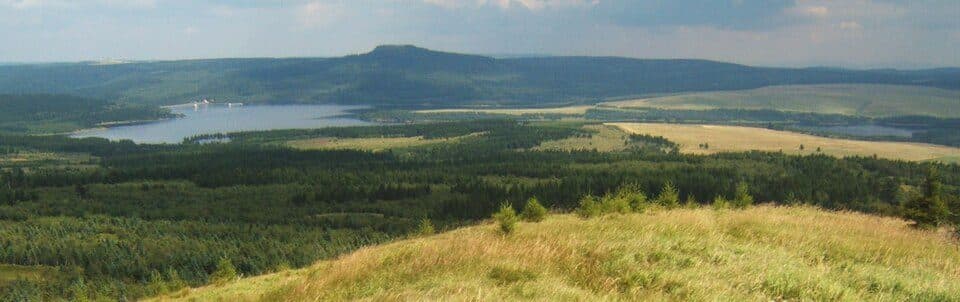
The flat summit plateau opens up to broad views over the Ohře valley and the surrounding Doupov Hills landscape. The slopes vary dramatically depending on which side you approach from: the southern and western faces are steep and rocky, with exposed basalt columns, while the plateau itself is gently tilted to the northeast. Spring is the best time to visit for wildflowers — rare orchids, feather grasses and rock-roses colour the steppe grasslands. The reserve is also a stronghold for birds of prey: the Eurasian eagle-owl nests here, and the peregrine falcon has been recorded on the rocky faces. The atmosphere feels genuinely wild and remote, despite being just 3 km from the town of Kadaň.
How to reach the summit- From Pokutice — red-marked trail, 5.57 km within the reserve, elevation gain approx. 273 m, moderate difficulty
- From Brodce — southern approach via the red trail, continuing down the Donínský stream valley to Zásada u Kadaně
- From Kadaňská Jeseň — blue-marked trail along the eastern slope, leading to Úhošťany
- From Úhošťany — eastern approach with a signed branch off the educational nature trail
- The area is a strictly protected National Nature Reserve — stay on marked trails at all times
- An educational nature trail 'Úhošť' runs alongside the main red route, total length approx. 7.5 km
- Two small natural ponds with their own springs are located on the summit plateau
- Off-road motorcycles and quad bikes are prohibited and actively damage the reserve
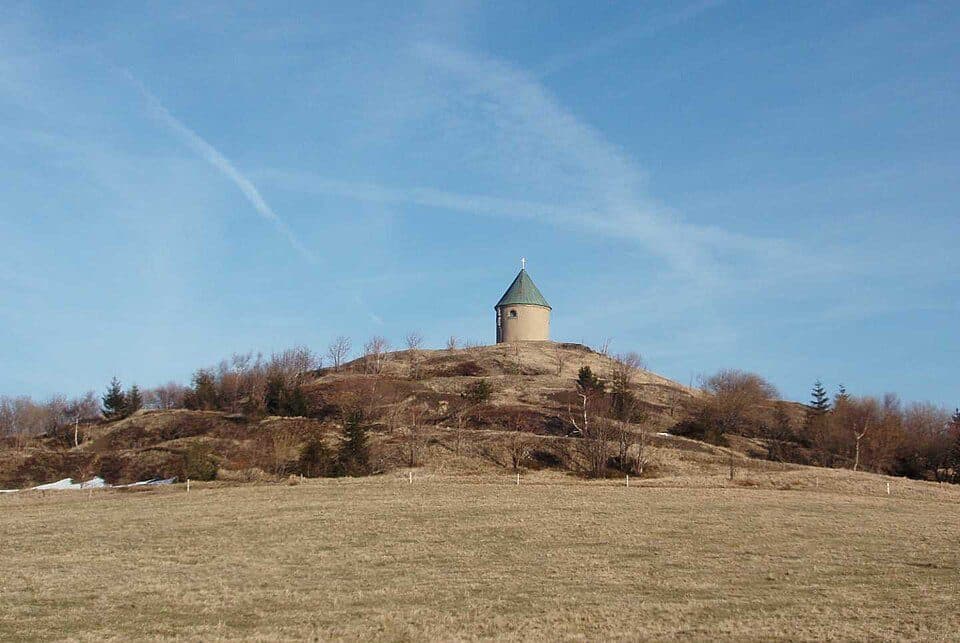
The summit plateau was continuously inhabited from the Neolithic period right up until a village called Úhošť was depopulated after 1950 — you can still sense that layered human history as you walk across the now-wild plateau. Some historians have proposed this hill as the site of the legendary Wogastisburg, where the Frankish army was defeated by Samo's tribal union in 631 or 632 AD, though no archaeological evidence has confirmed the claim.