Ładowanie mapy…
First Romanian School
Museum
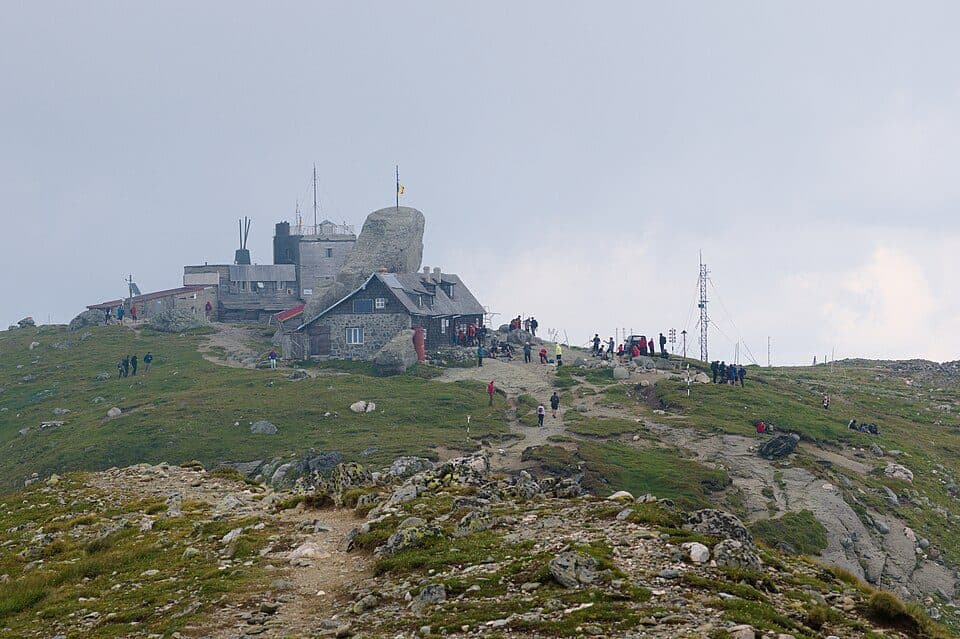
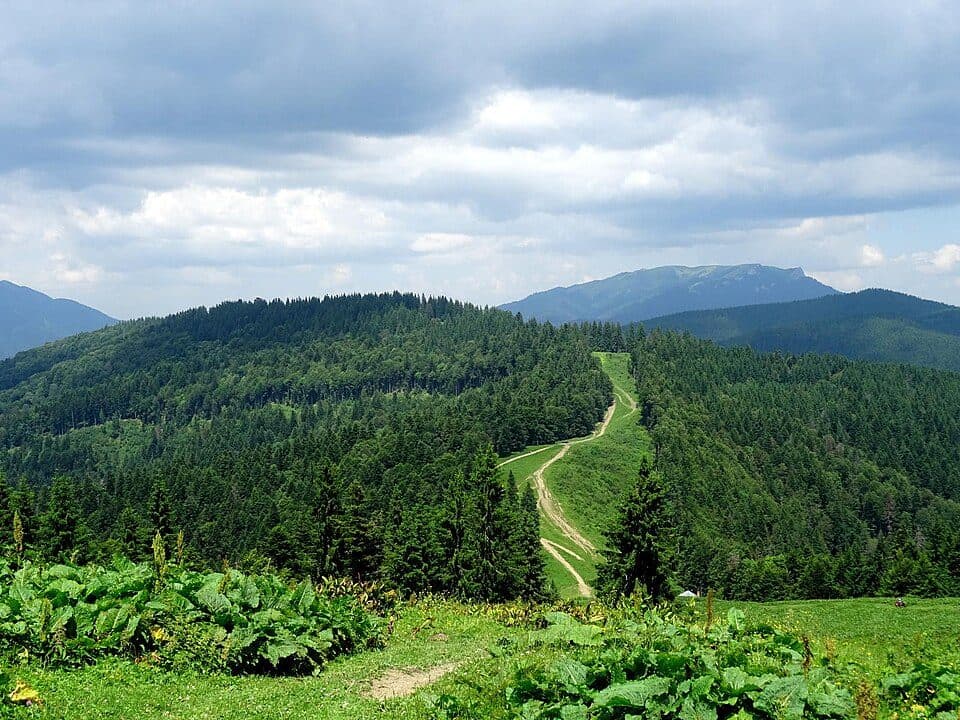
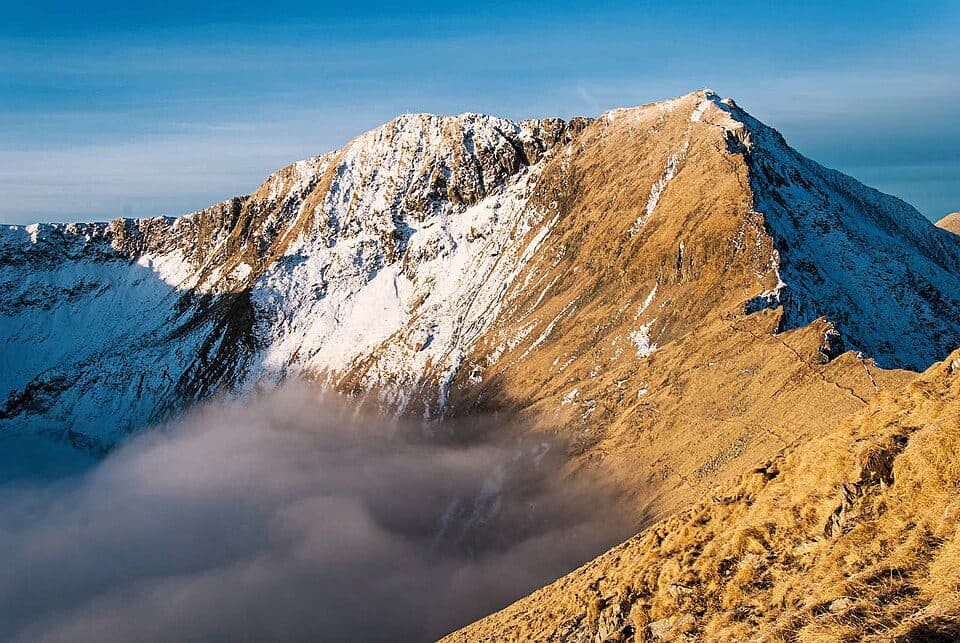
Bucegi MountainsFew places in Romania carry as much cultural weight as this quiet courtyard museum tucked inside the historic Șchei district of Brașov. The Museum 'The First Romanian School' sits beside the Saint Nicholas Church and takes you straight to the roots of the Romanian written language — this is where the first books in Romanian were printed, where the first Romanian grammar was written, and where the melody of the national anthem was first sung.
The building itself is a beautifully preserved two-storey stone structure, expanded in 1760 in baroque style and unchanged ever since. The atmosphere is calm and contemplative — the church courtyard is shaded and green, offering a peaceful retreat from the lively tourist bustle of central Brașov. Whether you visit in the warmth of summer or the crisp air of autumn, this little corner of the city feels timeless.
Inside, several themed rooms walk you through centuries of Romanian cultural history. The 'Anton Pann Classroom' recreates an old school setting complete with carved wooden benches, inkwells and writing slates. The 'Deacon Coresi Room' houses a working replica of the 16th-century printing press used to produce 17 books between 1559 and 1581. Other rooms display priceless manuscripts, royal charters on gilded parchment, and medieval Romanian books including the 1688 Bucharest Bible.
How to get there- Șchei district, Brașov — the museum is in the courtyard of Saint Nicholas Church, about a 10-minute walk from Șchei Gate or 15 minutes from the Old Town Square.
- Local buses serving the Șchei neighbourhood stop close to the church.
- Entry fee applies; check current opening hours before your visit.
- The building is a listed historic monument (LMI code BV-II-m-A-11589.02).
- Allow around 45–60 minutes for a comfortable visit.
Here is a remarkable detail: in May 1848, teacher Gheorghe Ucenescu set Anton Pann's melody to the poem 'Deșteaptă-te, române!' right here — making this school the true birthplace of Romania's national anthem.