Ładowanie mapy…
Klotild Cave
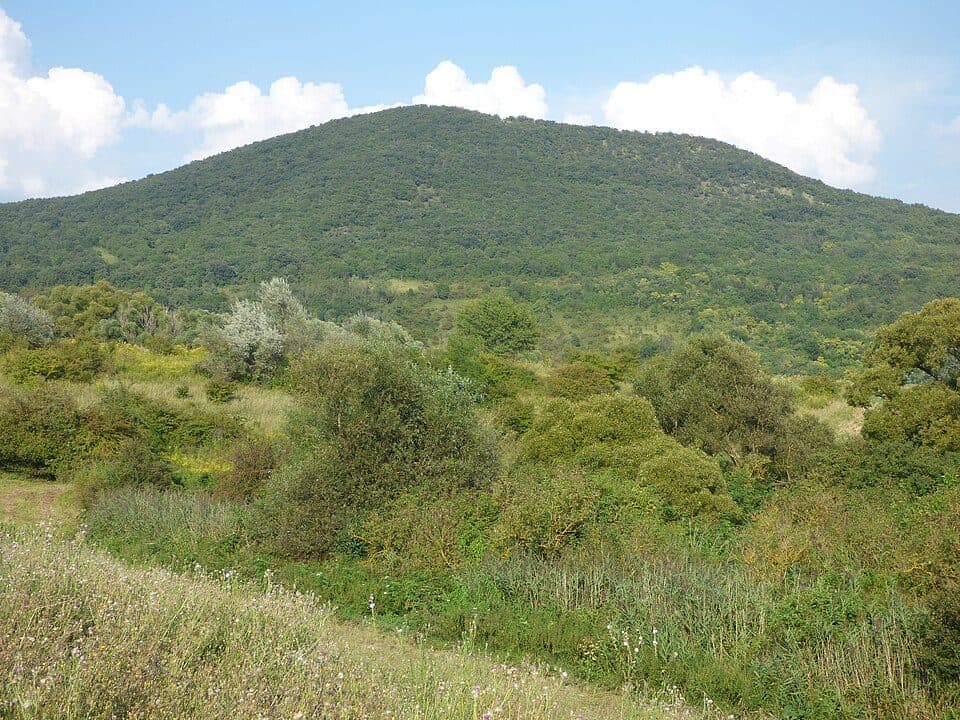
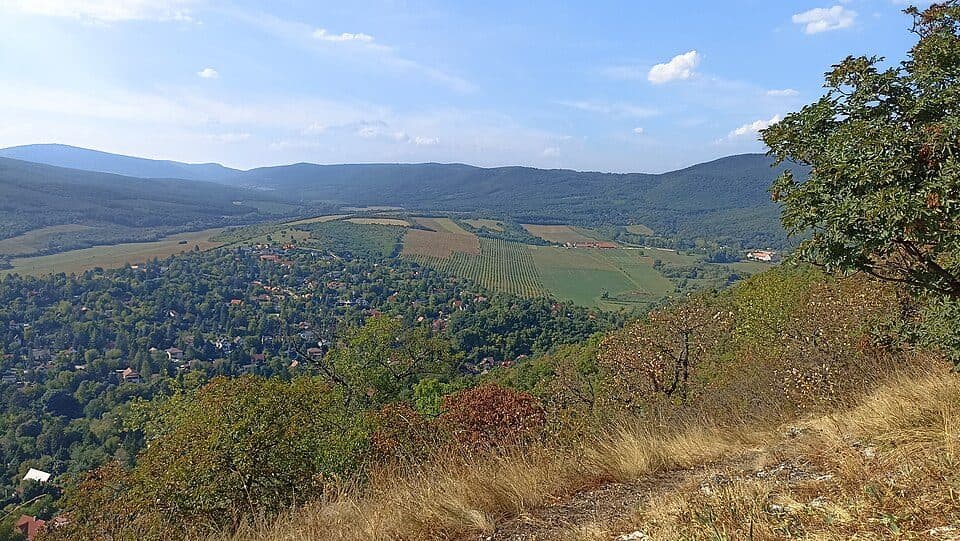
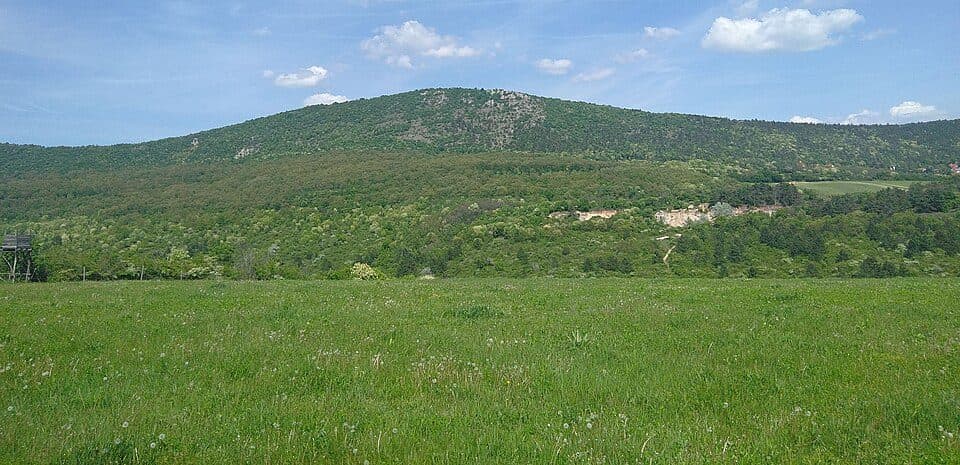
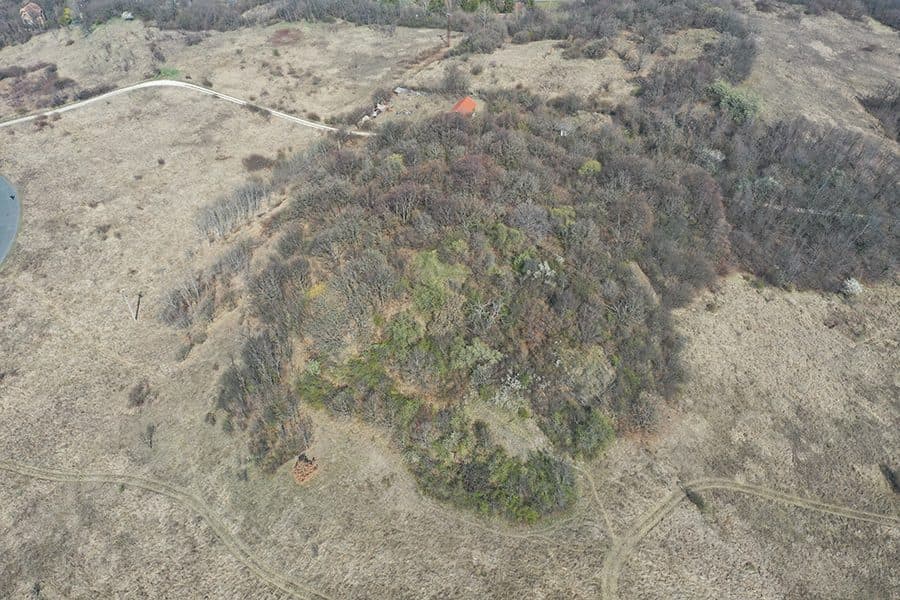
Klotild Cave is one of the intriguing caves of the Pilis Mountains, tucked away in a steep, gorge-like valley on the northern edge of Cseresznyés Hill. It's a spot for those who want more than a scenic hike — an underground labyrinth with a history of guano mining and passages still being discovered today.
The modest, easily overlooked entrance, hidden among bushes about 50 metres above the valley floor, opens into a system of passages carved from Triassic Dachstein limestone. Inside, the atmosphere is damp and cool, with dissolved rock surfaces, blind chimneys and spherical niches visible on the walls. The cave is heavily eroded and its passages are home to bats, so visitors should tread carefully and respectfully. The terrain is demanding and wet year-round, and slippery in winter.
How to get there
- Klotildliget — red cross trail, moderate difficulty
- Piliscsaba-alsó railway station — red and yellow trails, then descend into the Cseresznyés-árok gorge
Practical information
- The cave is a specially protected natural site in Hungary
- Freely accessible, but basic caving equipment is required
- Since a large new section was discovered in 2011, that part is closed and can only be visited with permission from the Danube-Ipoly National Park Directorate
- Bats live in the cave — visitors should avoid disturbing them
Locals long called it Ördöglyuk, meaning Devil's Hole, before it was named after the nearby settlement of Klotildliget. In 2011 a substantial new passage was discovered, more than doubling the cave's known length to 136 metres.