Ładowanie mapy…
Colourful lakelets
Tourist attraction
Rudawy JanowickieImagine stumbling upon four lakes glowing in shades of purple, blue, green and yellow — all nestled in the same quiet valley. That is exactly what awaits you at Kolorowe Jeziorka ('Colourful Lakes') in the Rudawy Janowickie range of Lower Silesia, Poland. The remarkable colours are entirely natural, caused by the chemical composition of the old mine workings that the lakes now fill.
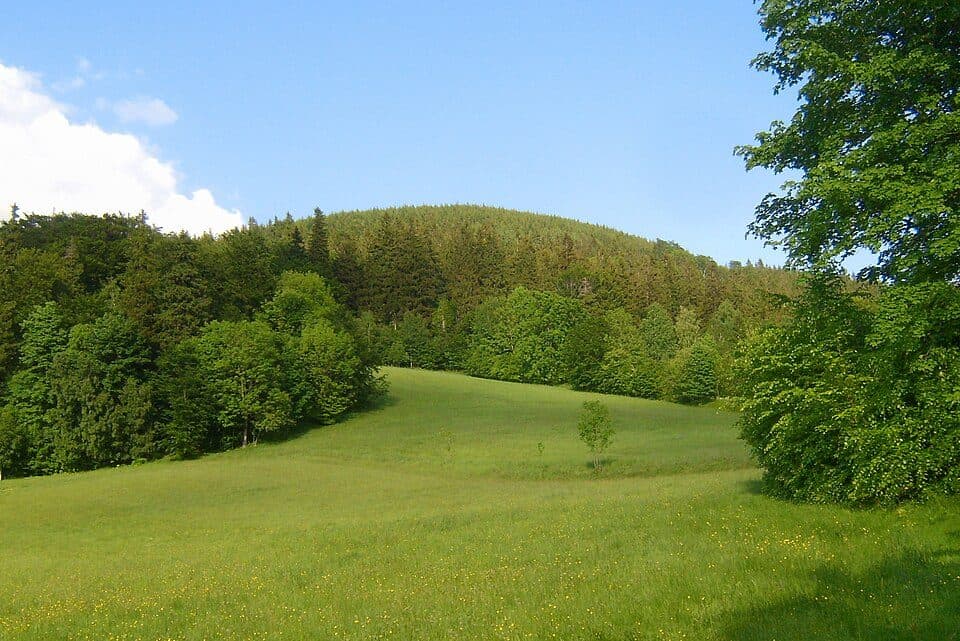
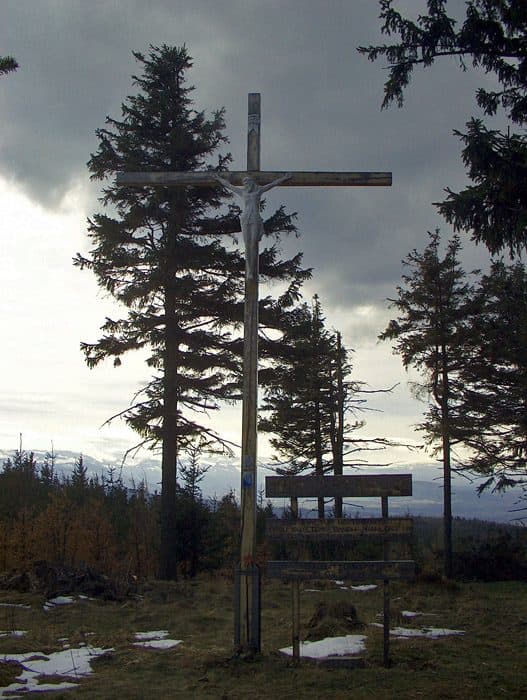
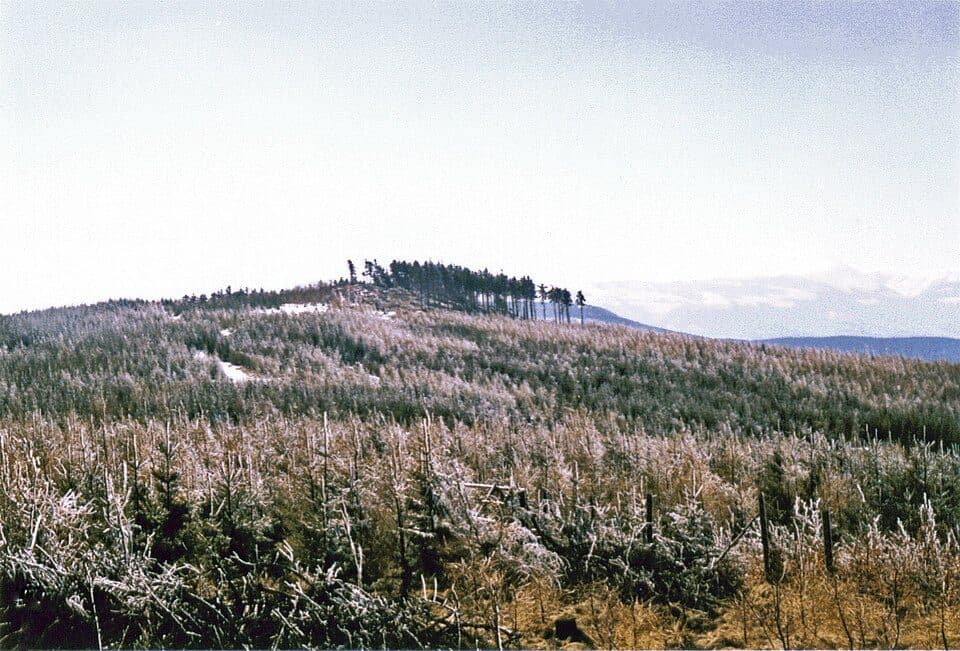
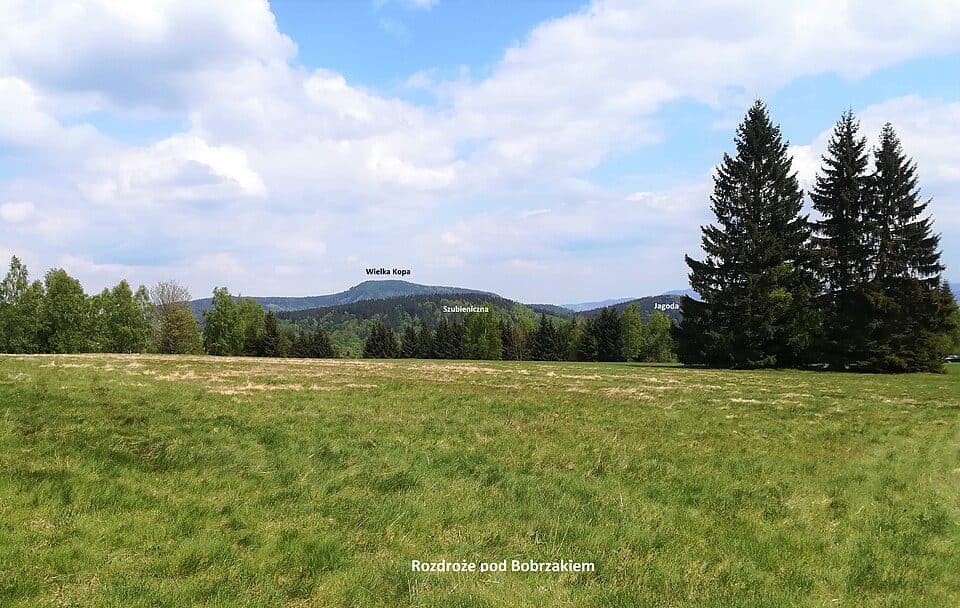
Scattered across the slopes of Wielka Kopa (871 m a.s.l.) between roughly 555 and 730 metres altitude, each lake has its own personality. The Blue Lake (also known as the Emerald or Azure Lake) is crystal clear and odourless, its turquoise tint coming from copper compounds. The Purple Lake owes its striking hue to iron compounds and has an acidic pH, while the Yellow and Green lakes can dry up seasonally. Surrounding the water are large spoil heaps of crushed rock — silent relics of mining operations that ran here from 1785 to 1925. The landscape is captivating in every season: golden autumn forests frame the vivid water, and even a grey winter day adds a haunting, otherworldly quality to the scene.
How to get there- Wieściszowice village — green marked hiking trail towards Wielka Kopa, passing directly through the lakes area; difficulty: easy to moderate.
- By car: turn off road no. 5 at Marciszów onto road no. 328 — signs reading 'Kolorowe Jeziorka' lead straight to a large car park by the lowest lake.
- Large free car park located at the Yellow Lake (approx. 555 m a.s.l.).
- A blue-marked cycling route also passes through the area.
- The Yellow and Green lakes dry out periodically — spring or post-rain visits offer the best experience.
- The water in the Purple Lake is acidic — do not touch or drink it.
The oldest mine here, called Hoffnung ('Hope'), opened in 1785 and is the direct ancestor of today's Purple Lake — a name that feels almost poetic given how beautiful its toxic waters look.