Ładowanie mapy…
Rittersgrün
Village
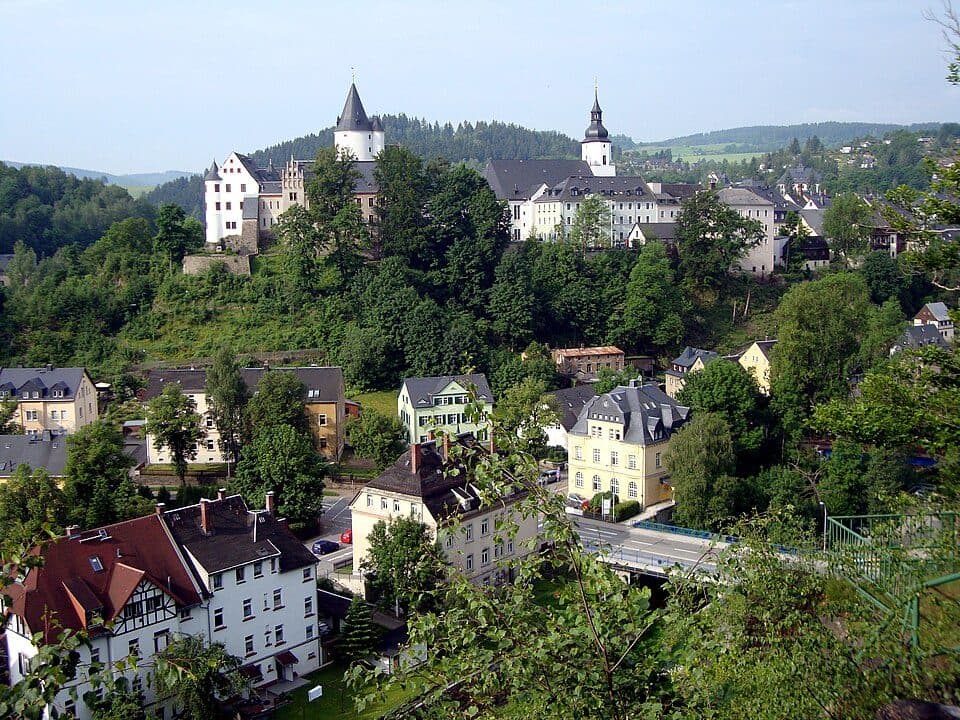
Ore MountainsRittersgrün is a scattered village in the Ore Mountains, best known today as an excursion and winter sports destination. Its origins trace back to iron hammer mills that operated along the Pöhlwasser stream from the 15th to the 19th century, supplied with ore from surrounding mines.
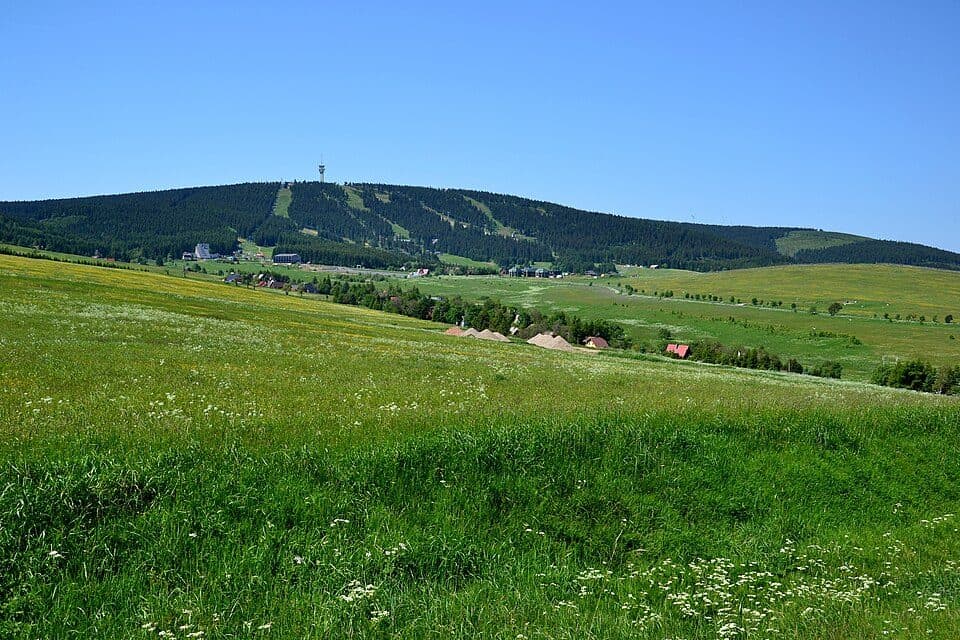
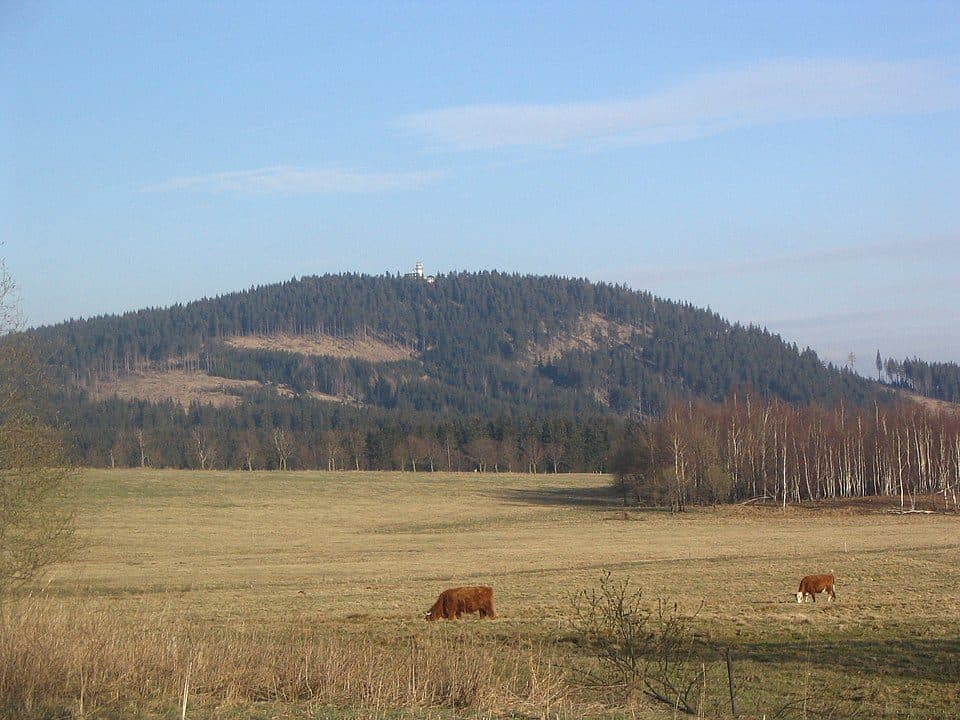
Surrounded by forested hills and quiet valleys, the village keeps its rural, historic character, with half-timbered houses lining the old streets. In winter the local ski jump draws visitors, while summer brings hikers and cyclists exploring the well-developed trail network.
Trails and Tourism- The cross-border Anton-Günther-Weg passes through Ehrenzipfel, where it reaches Wettinplatz and a memorial stone dedicated to the Ore Mountains folk singer.
- The Pöhla-Rittersgrün mining heritage trail leads to old mining sites and former uranium extraction facilities.
- A partly completed combined hiking and cycling path to Raschau follows the former narrow-gauge railway line, closed in 1971.
- Since 2009, a 30-kilometer cross-border horse-riding trail connects Rittersgrün to Karlovy Vary via Halbemeile, Pernink and Nejdek.
- Saxon Narrow-Gauge Railway Museum - former terminus station with historic locomotives and wagons on display.
- Oberer Rother-Adler adit - a restored mining tunnel open to visitors for 150 meters.
- Rockstrohgut - a late-Baroque manor house from 1777 with an old walled orchard.
In 1833, a woodcutter near Ehrenzipfel discovered an 86.5 kg iron meteorite, a plaster replica of which is displayed in the railway museum.