Ładowanie mapy…
Güttlerbüschl
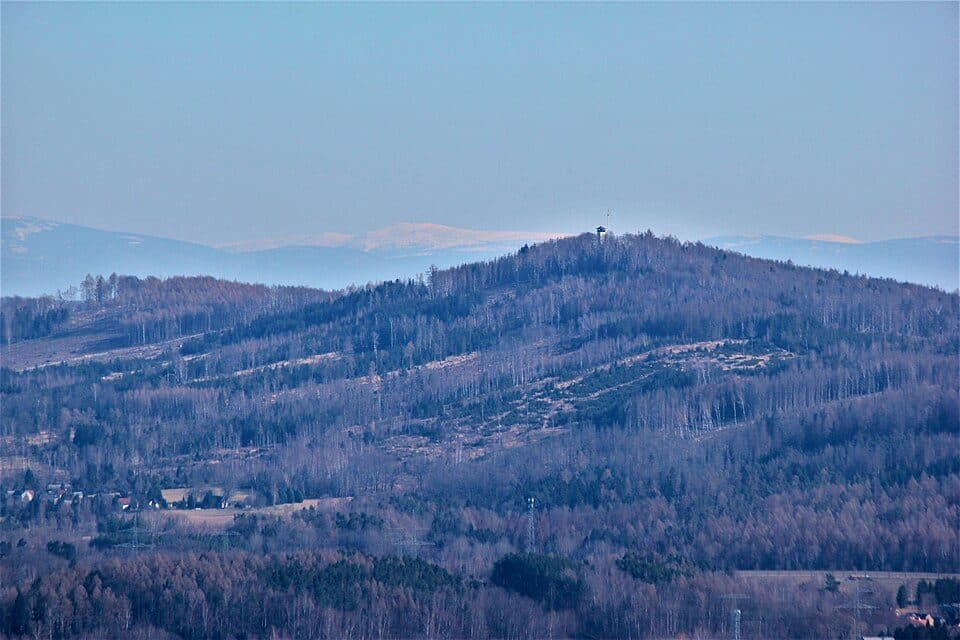
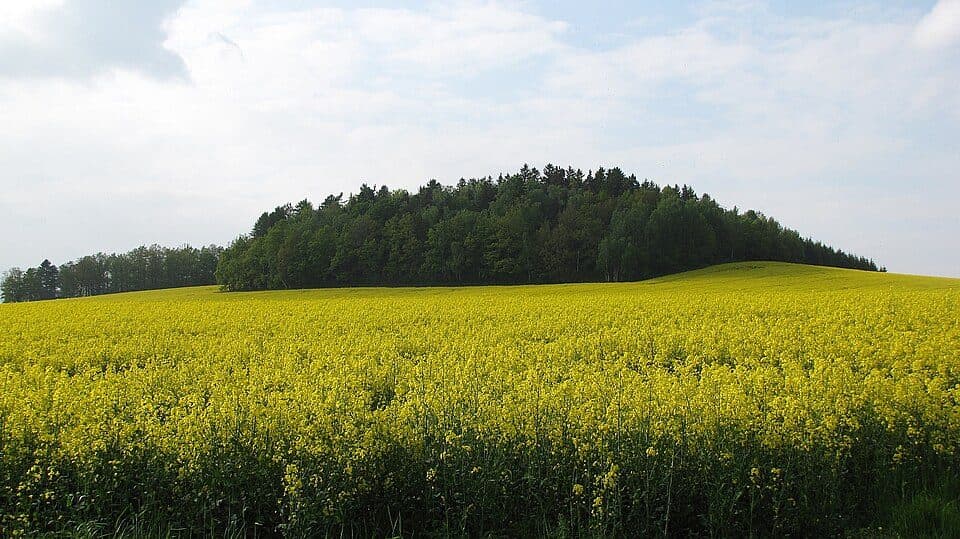
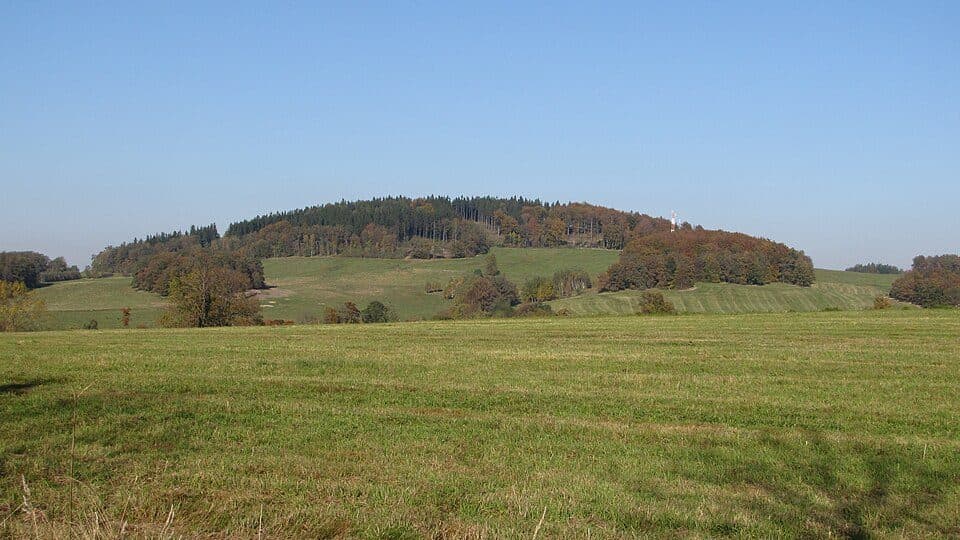
Güttlerbüschl is a small but fascinating hill in the Upper Lusatian hills, best known for its mysterious granite rock formation nicknamed 'Thor's Anvil'. Within just one hectare of light deciduous woodland, the unusually shaped boulders form a geologically unique cluster that some researchers believe served as a prehistoric solar observatory or even a megalithic tomb.
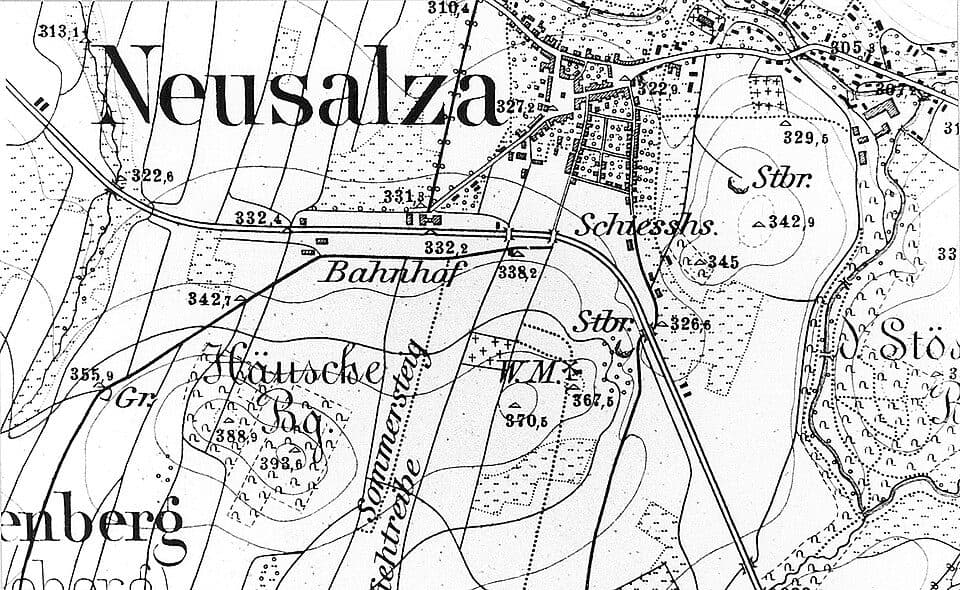
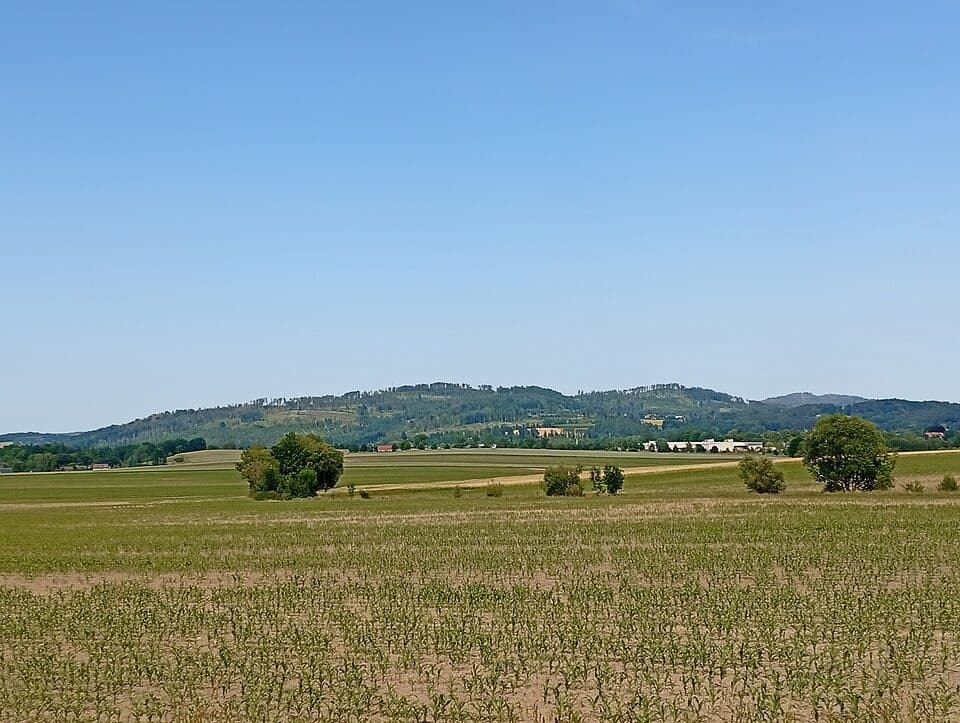
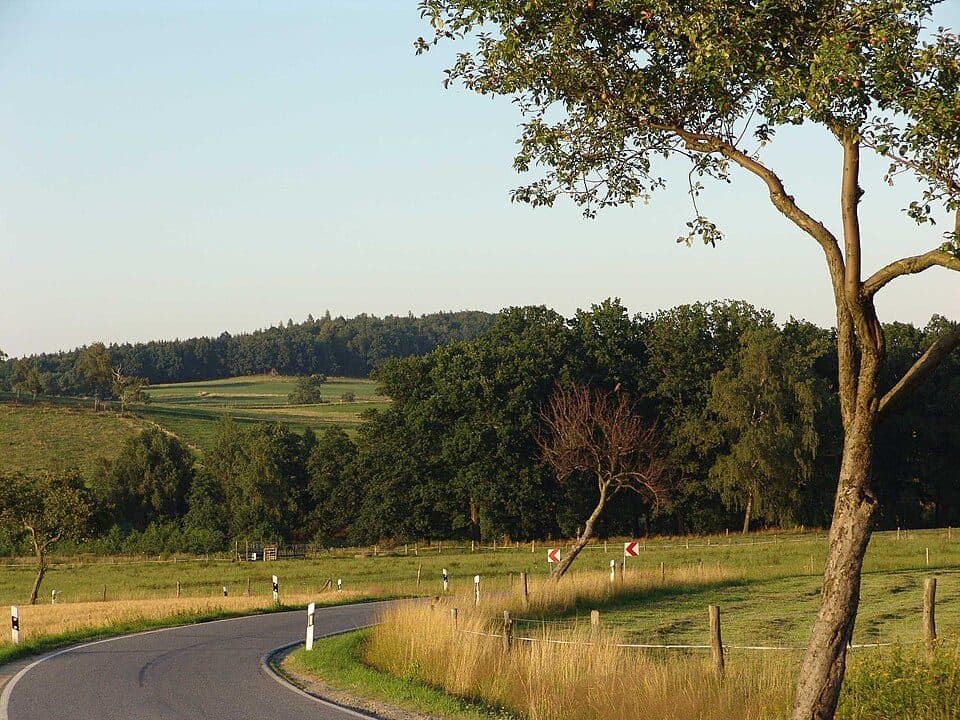
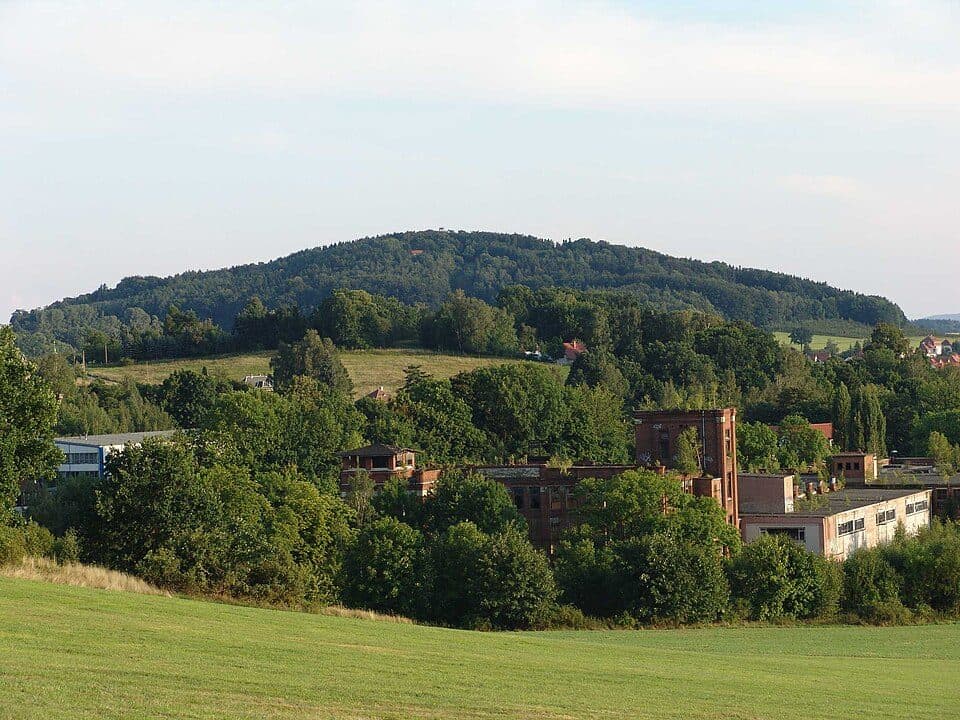
The hill rises north of the Spree river, surrounded by fields and meadows, forming the south-eastern spur of the higher Hahneberg. The open, airy forest gives the walk a calm, almost mysterious atmosphere in every season - fresh greenery in spring and summer contrasts with the grey granite blocks, while autumn foliage adds extra charm. It's a spot that appeals equally to nature lovers and those curious about archaeoastronomy.
How to reach the summit
- Neusalza-Spremberg - approach on foot only, private land, easy walk
- Nearby landmark: the Schmiedesteine granite massif, about 400 m to the southeast
Practical information
- The area is privately owned and accessible only on foot
- Since 2010 annual events tied to archaeoastronomical research take place here around the summer solstice
- The rock formation is informally called 'Thor's Anvil' and is studied by the Bruno-H.-Bürgel observatory in Sohland
Some researchers believe the boulders were stacked to create two viewing holes for tracking the sun during solstices and equinoxes, comparable in function to the famous Nebra Sky Disc. Others interpret the stones as remnants of a Neolithic megalithic tomb roughly 5,000 years old.