Ładowanie mapy…
Geigelstein
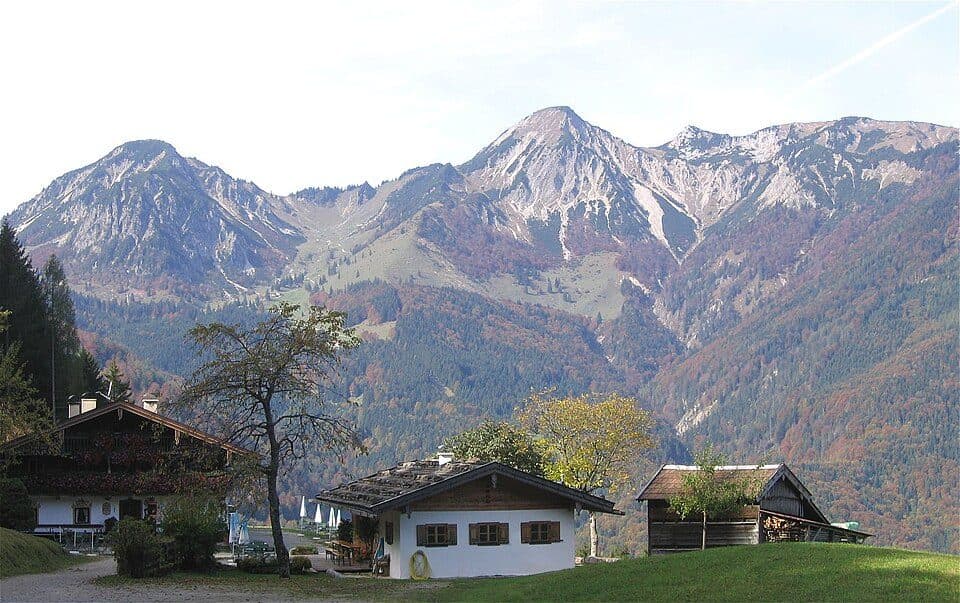
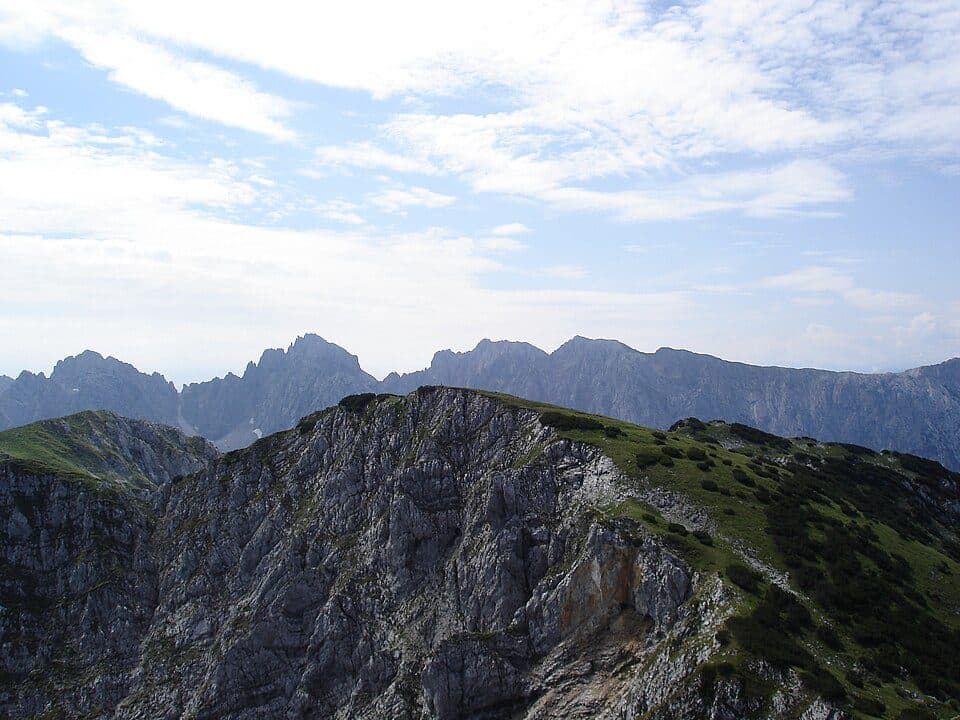
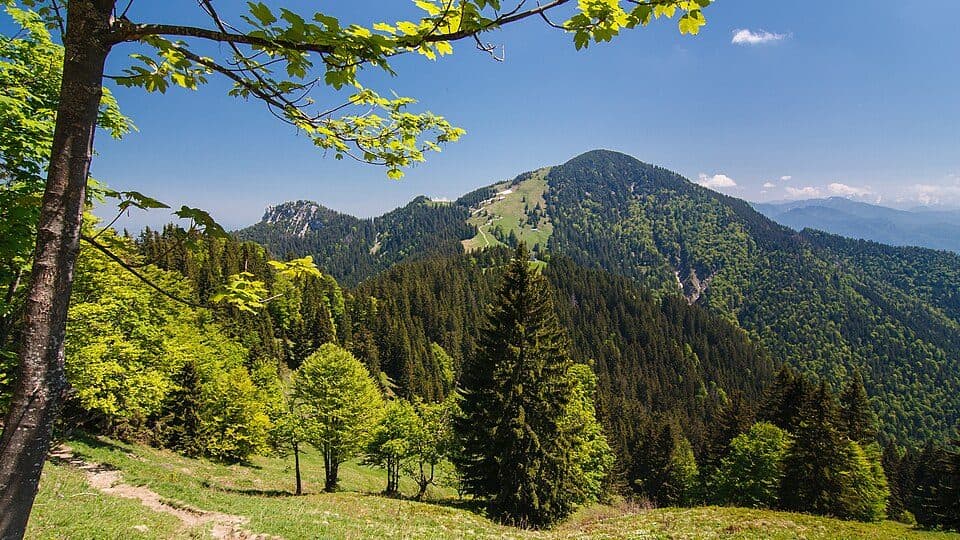
Geigelstein (1808 m) is the highest peak of the Chiemgau Alps lying entirely on Bavarian soil, famous as the 'flower mountain of Chiemgau' and a superb viewpoint. It's a place where flower-rich alpine meadows meet sweeping panoramas stretching across several mountain ranges.
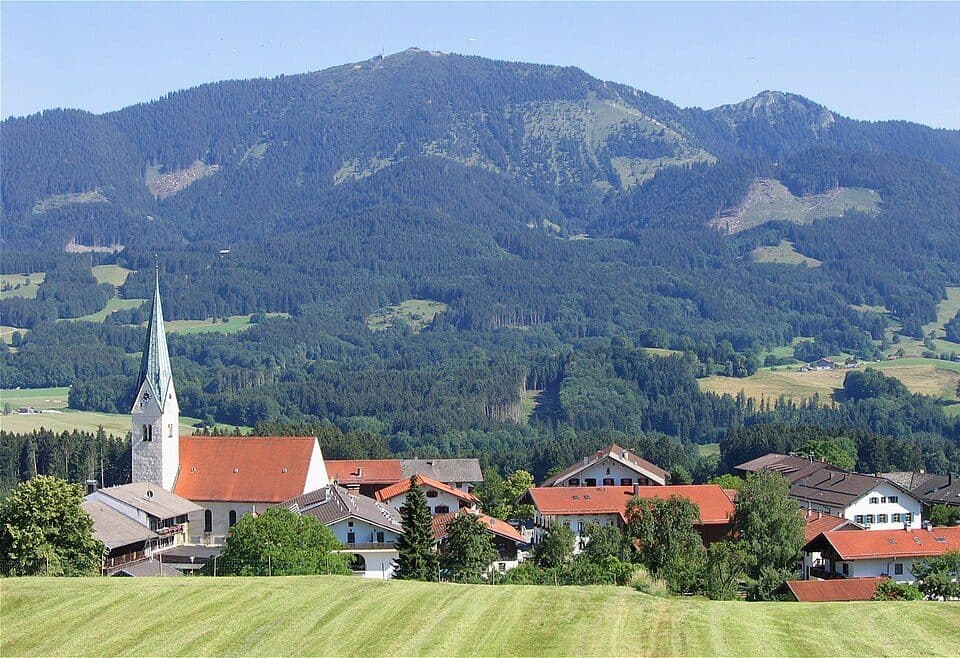
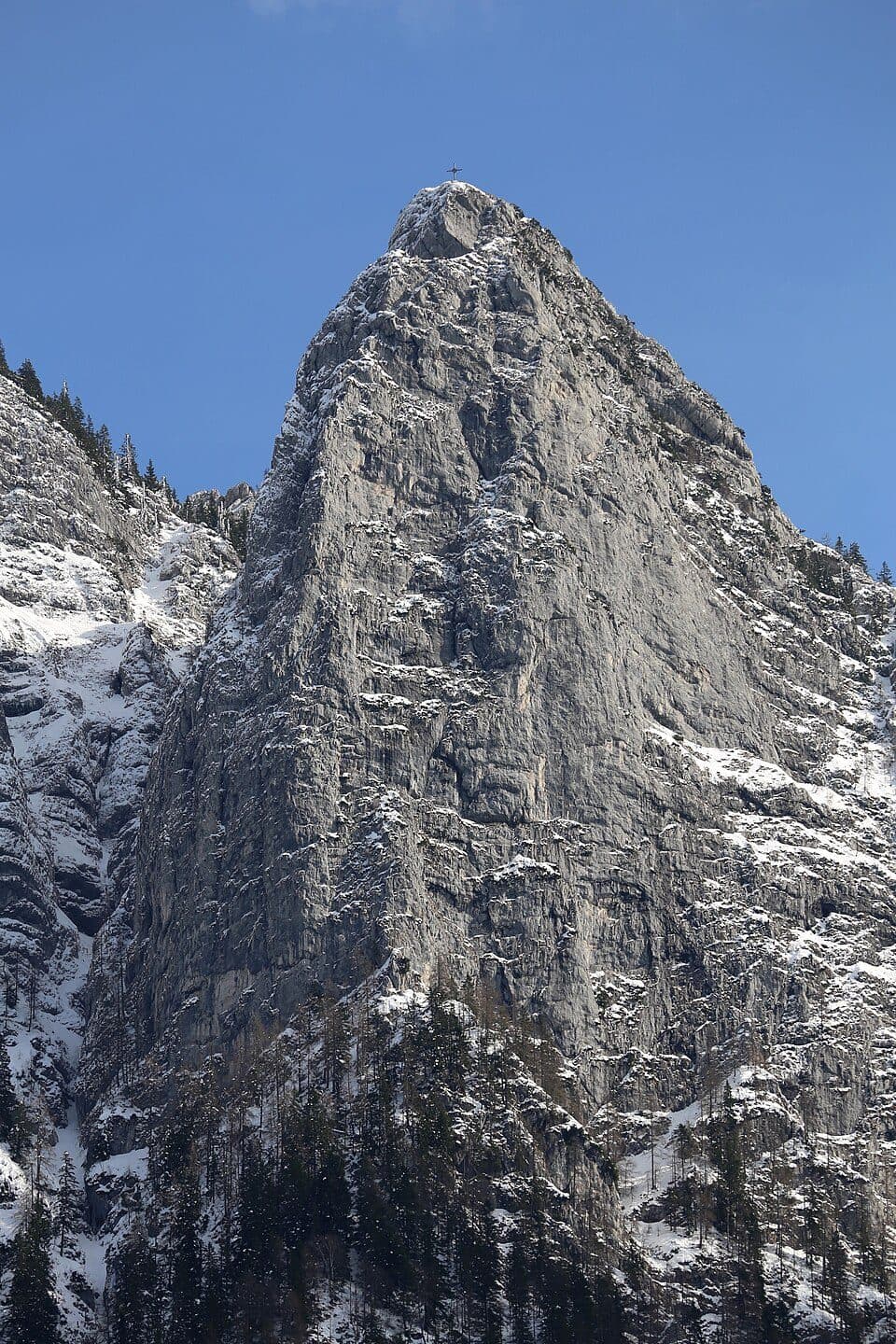
The mountain rises between the Prien valley to the west and the Tiroler Achen river to the east, surrounded by protected nature. In summer its slopes burst with rare alpine flora, while on clear autumn days the view extends to the Berchtesgaden Alps, the nearby Kaisergebirge, the Großglockner, the Karwendel range and Lake Chiemsee. A summit cross and a small chapel mark the top. In winter, ski tourers and snowshoe hikers take to the mountain, though steep slopes can carry increased avalanche risk.
How to reach the summit
- Sachrang or Huben — forest road up to the Priener Hütte (about 2 hours), then a marked path past the Wandspitz to the summit (about 1 hour); the final 100 m through dwarf pines and rocks require sure footing
- Ettenhausen near Schleching — the shortest eastern route via Wuhrsteinalm and Wirtsalm on a steep, narrow trail (about 2 hours); a chairlift once shortened this climb but has been out of service since 2014
- Schleching — a quieter, scenic northeastern route via Haidenholzalm and Roßalm to the summit (about 3 hours, 7.5 km), recommended for experienced hikers only
- Walchsee, Austria — the Tyrolean route via Baumgartenalm to the Priener Hütte, partly rideable by mountain bike, followed by a steep final climb (about 4 hours total)
Practical information
- The whole area lies within the Geigelstein Nature Reserve, established in 1991 after a long citizens' campaign that blocked plans for ski lifts on the mountain
- The Priener Hütte, run by the Prien section of the German Alpine Club, is open year-round and offers overnight stays plus views of the Wilder Kaiser
- Local access restrictions apply during bird breeding season
Around 720 fern and flowering plant species grow on Geigelstein, 111 of them protected, making it one of the most botanically rich mountains in the Chiemgau Alps.
Accommodation nearby
Find hotels on Booking.comNearby peaks