Ładowanie mapy…
At 1,616 metres on Babia Góra mountain, near the spring called Głodna Woda, a few scattered foundation stones are all that remain of the first tourist shelter in the Żywiec Beskids. It is a hauntingly atmospheric spot where the early history of mountain tourism meets the turbulent drama of the 20th century.
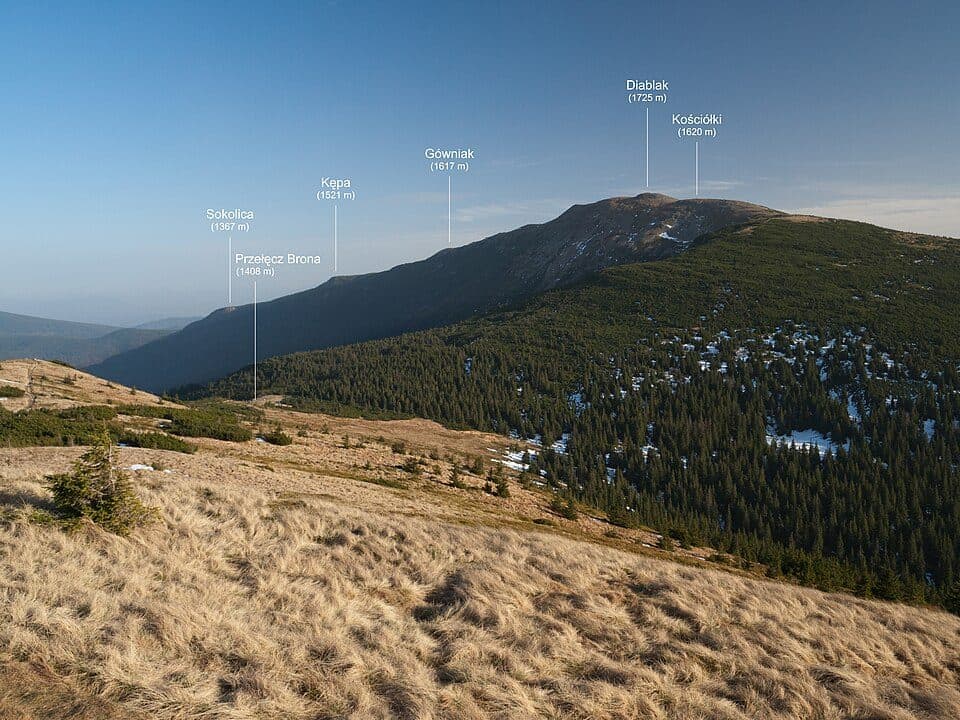
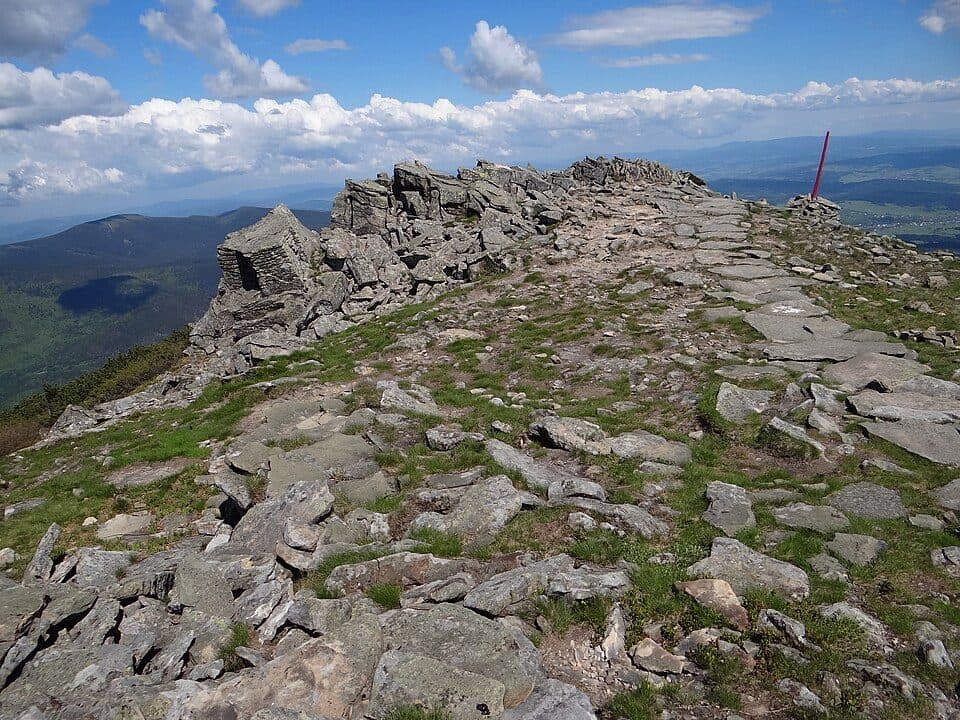
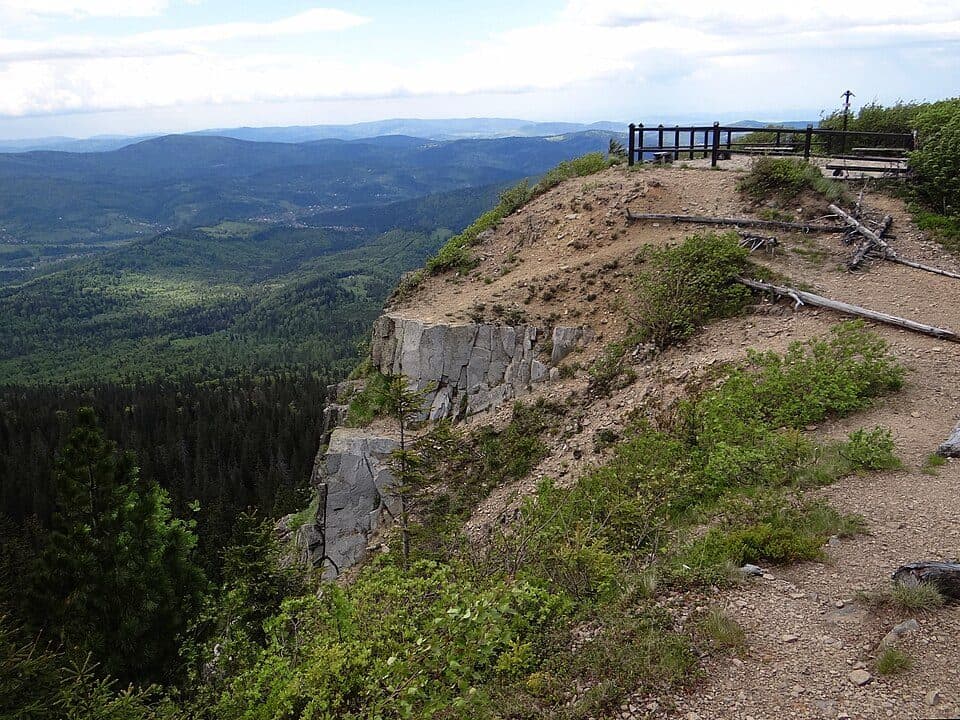
The location offers the same sweeping views that once delighted guests of the original shelter — on a clear day you can see the Tatra Mountains, Malá Fatra and the Orava region spread out below. The landscape is raw and wild, typical of Babia Góra's upper zone, and the ruins feel especially evocative when you learn about the remarkable story of what once stood here. In winter the area is blanketed in deep snow, just as it was when skiers visited the shelter in the 1930s.
How to get thereOpened on 11 June 1905 and designed by trail-marker Wilhelm Schlesinger, the shelter changed hands repeatedly — surviving two world wars and multiple border shifts — before burning down under mysterious circumstances in 1949, one of the most intriguing endings in the history of Polish mountain huts.