Ładowanie mapy…
Milada Cave is one of the most intriguing underground gems of the Silická Planina plateau in southern Slovakia. With a subterranean river, vast chambers soaring up to 65 metres above the streambed, and stalactites draped like curtains from the ceiling, it is the kind of place that sparks the imagination — even if you can only admire it from the outside.
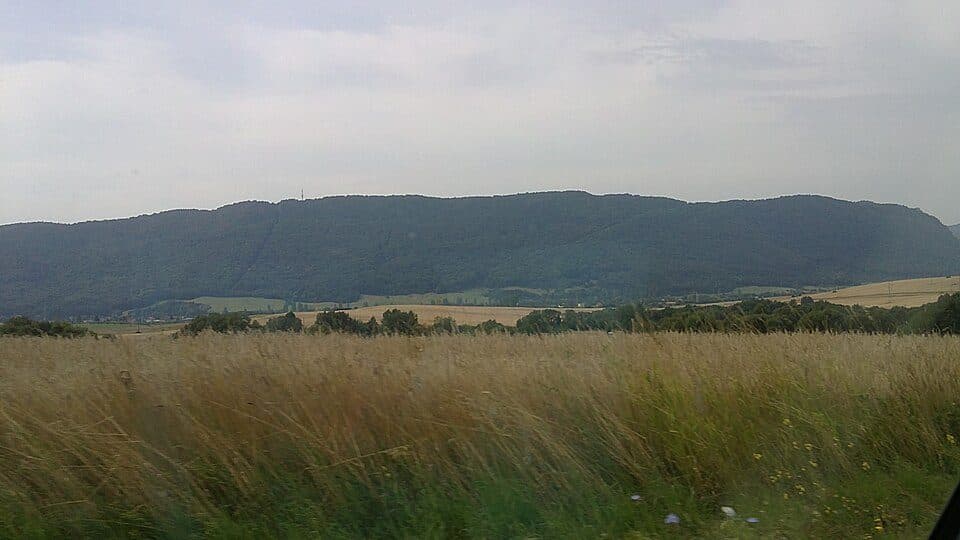
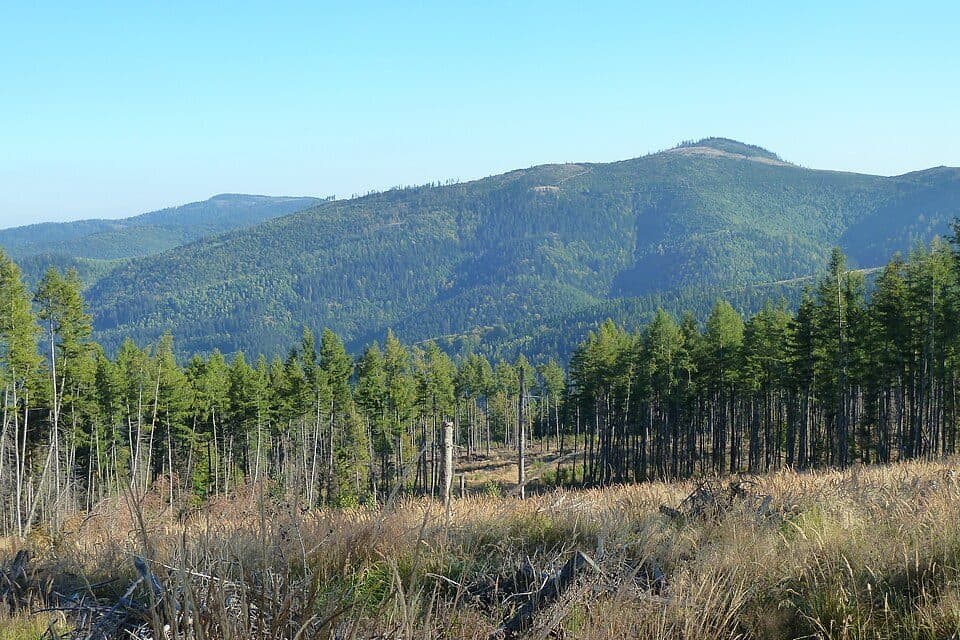
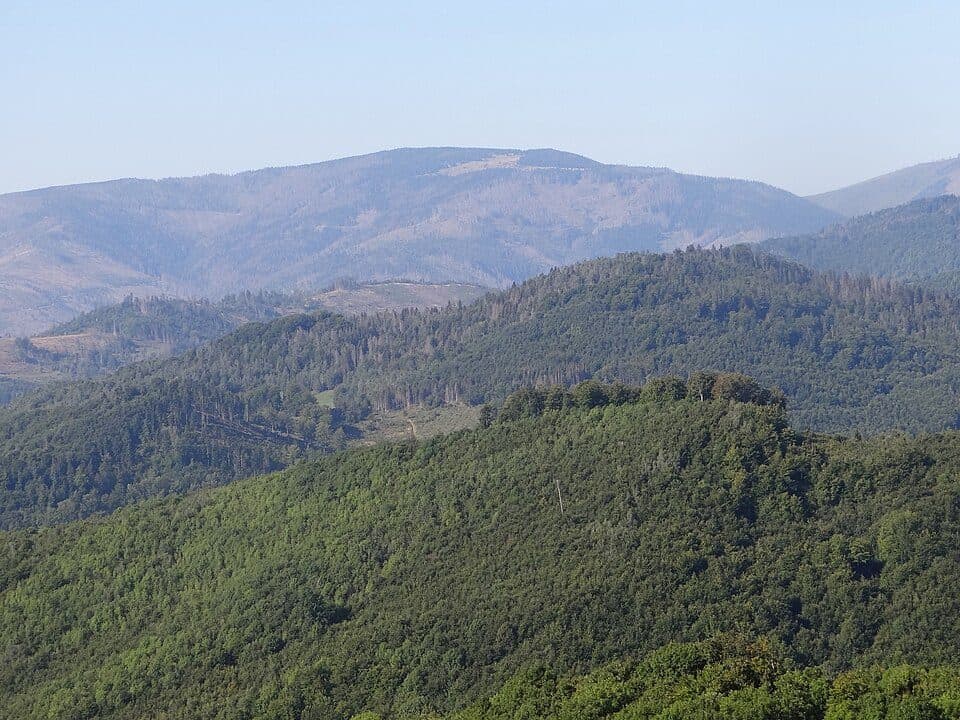
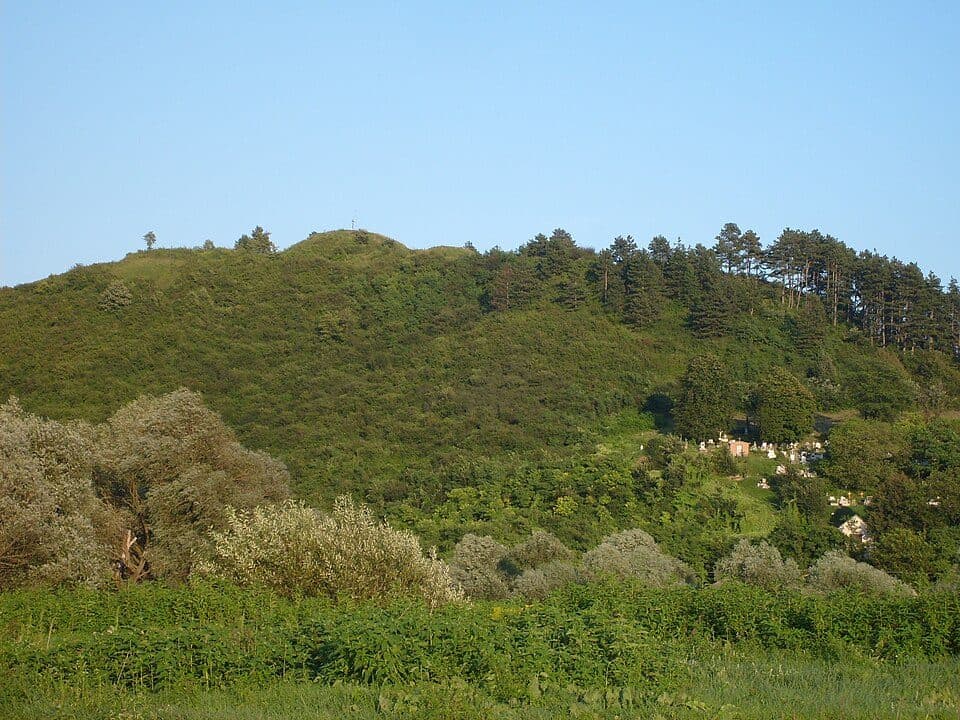
The cave lies about 1 km south-east of the village of Silická Brezová in the Rožňava district, deep within the Slovak Karst. It formed in Triassic Wetterstein limestones and plays a key role in a remarkable underground hydrological system: water that disappears into the cave eventually resurfaces at the Kečov spring — though the exact route it takes underground remains unknown. The surrounding landscape is classic karst country, with dry valleys, sinkholes and sweeping views across the plateau, especially beautiful in autumn.
Stretching 800 metres in length, the cave features a river passage, several collapse halls and domes, delicate sinter curtains, stalactites, stalagmites and small pools. It ends in a flow-through lake. A purpose-dug entrance adit was added after the original discovery via a 19-metre shaft.
How to get thereThe cave was discovered in 1946 by Ján Majko and his team, who descended through a 19-metre pit. In 1960, explorer J. Jirásek pushed through a sump and uncovered an additional 360 metres of passages — proof that this cave still holds secrets waiting to be found.