Ładowanie mapy…
Lake Sfânta Ana
Jezioro
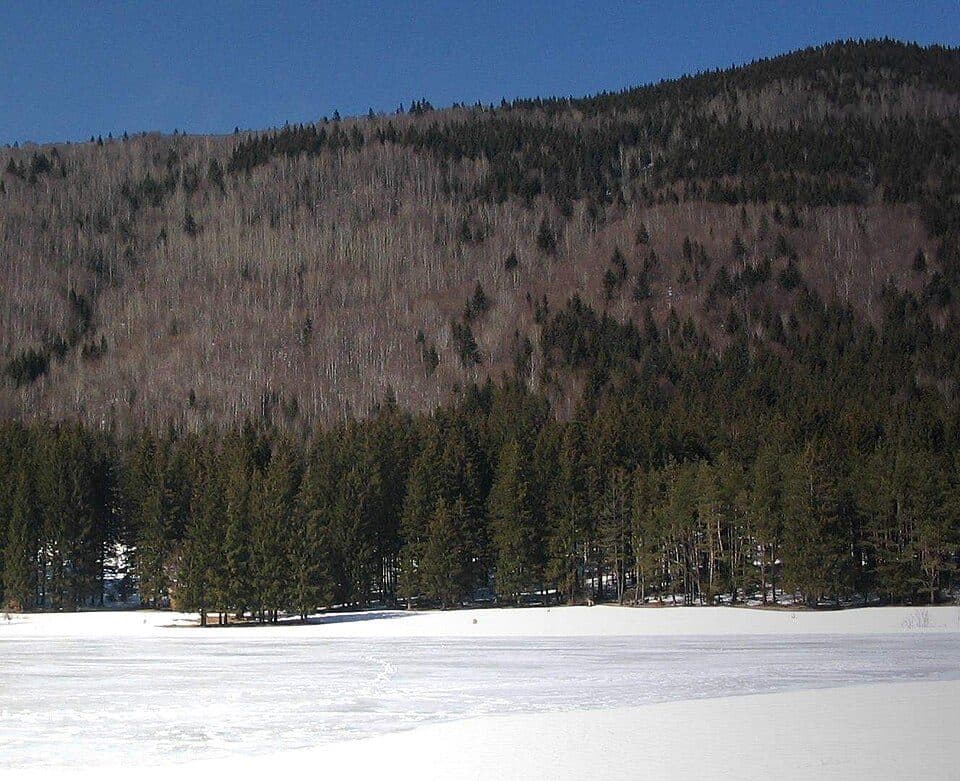
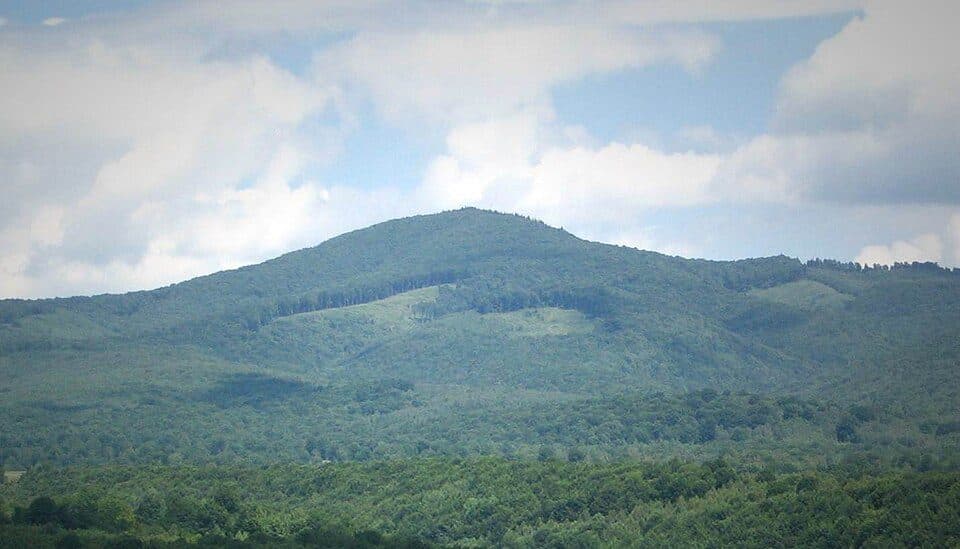
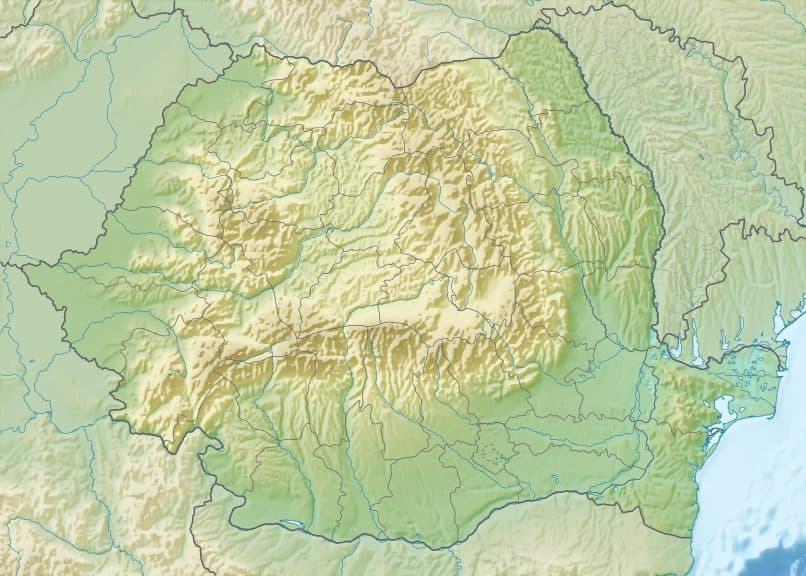
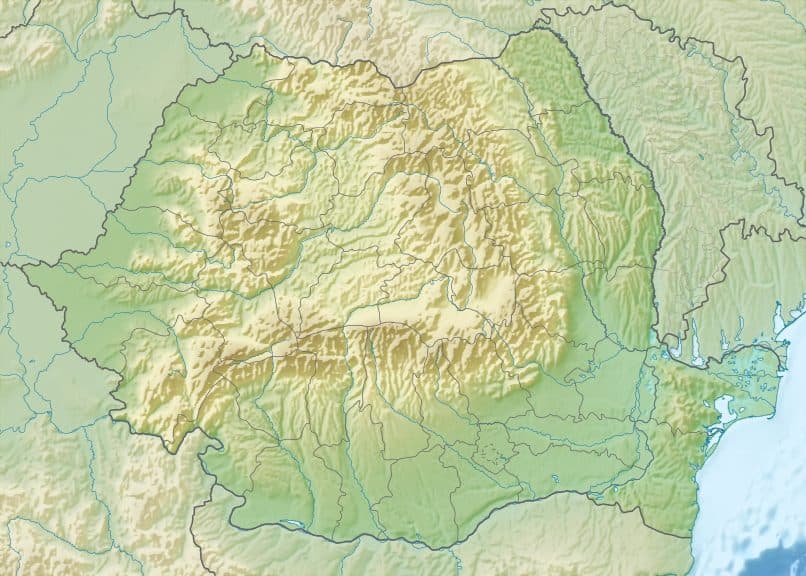
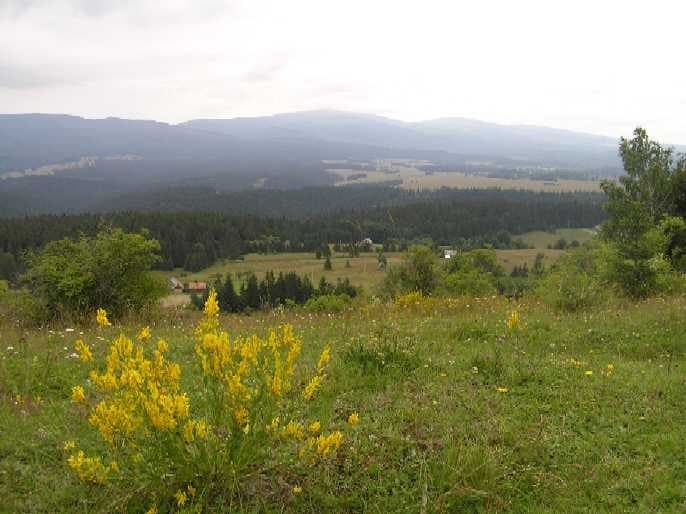
Ciucaș MountainsSaint Anne's Lake is Romania's only volcanic lake — a serene, almost perfectly circular sheet of water resting on the floor of an extinct volcano's crater in the Ciomatu massif of Transylvania. Surrounded by dense forest and wrapped in a quiet that feels almost otherworldly, this is one of the most unusual natural landmarks in the entire Carpathian range. Hikers, nature lovers and curious travellers all leave with the same feeling: that they've discovered somewhere truly special.
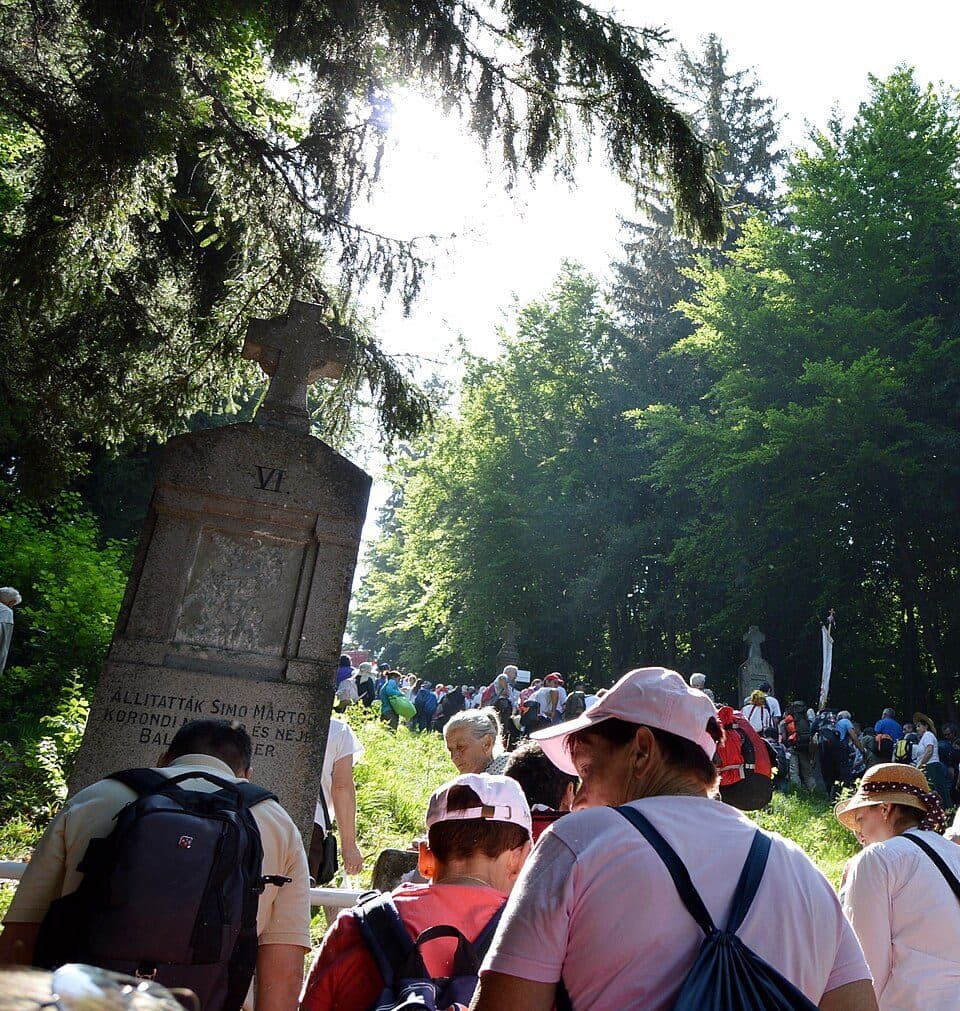
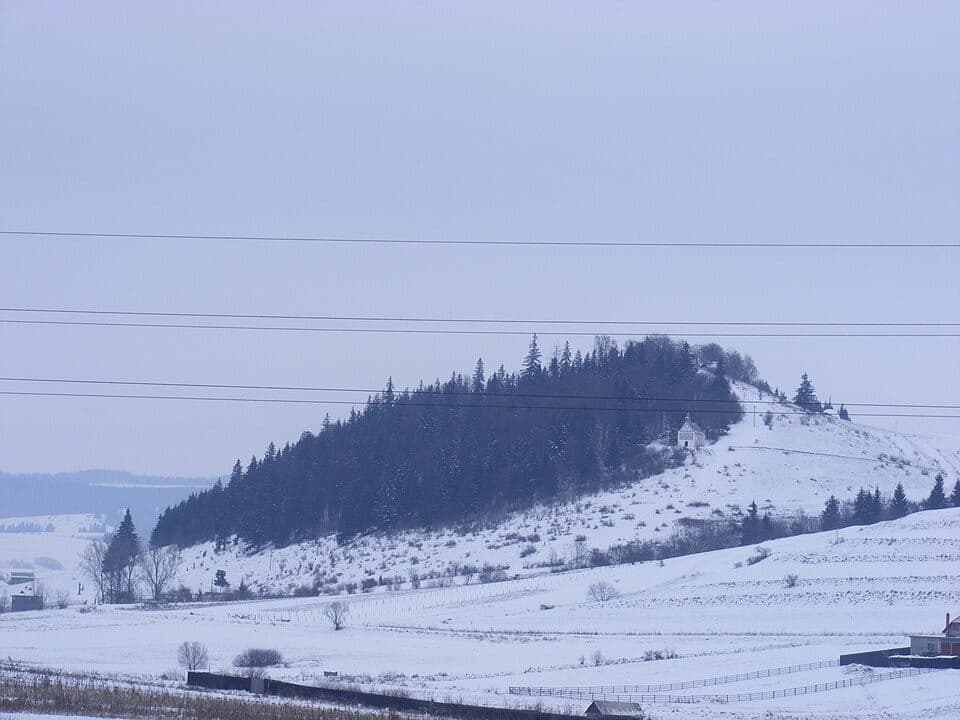
Sitting at 946 metres above sea level and covering around 19.5 hectares, the lake is strikingly beautiful in every season. Summer brings lush green crater walls and mirror-like reflections on the water. Autumn transforms the surrounding forest into a fiery tapestry of reds and golds, best admired from the crater rim. In winter the lake freezes over, sometimes under a metre of ice. The water itself is extraordinarily pure — almost as mineral-free as distilled water — fed solely by rainfall and snowmelt. A small Roman Catholic chapel dedicated to Saint Anne stands near the shore, adding a gentle spiritual atmosphere to the natural drama. Look out for the two volcanic fissures on the crater slopes: locals say that if the escaping gases 'sting the nose', a storm is on its way — a piece of natural weather forecasting backed by real science.
How to get there- Băile Tușnad (Tușnad Spa) — marked hiking trails connect the resort town directly to the lake; moderate difficulty, approximately 1–1.5 hours on foot.
- Swimming in the lake has been prohibited since December 2017.
- The lake is a protected complex nature reserve (geological, botanical and faunal).
- Respect the reserve rules: no littering, no disturbance of vegetation or wildlife.
The lake is home to just one fish species — the brown bullhead catfish (Ameiurus nebulosus), introduced here by the Hungarian state back in 1908. And if you fancy a legend with your hike, locals will tell you that the lake formed when a cursed tyrant's castle sank into the earth — named after a brave girl called Ana who dared to stand against him.
Source: Wikipedia (license CC BY-SA 4.0)