Ładowanie mapy…
Gánti Cave
Cave
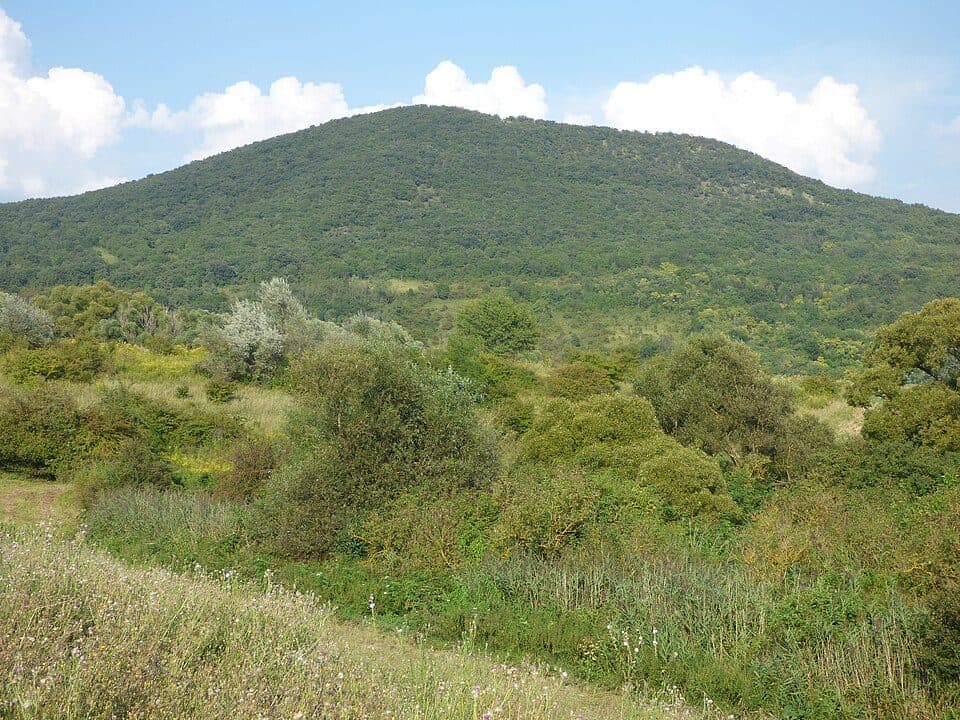
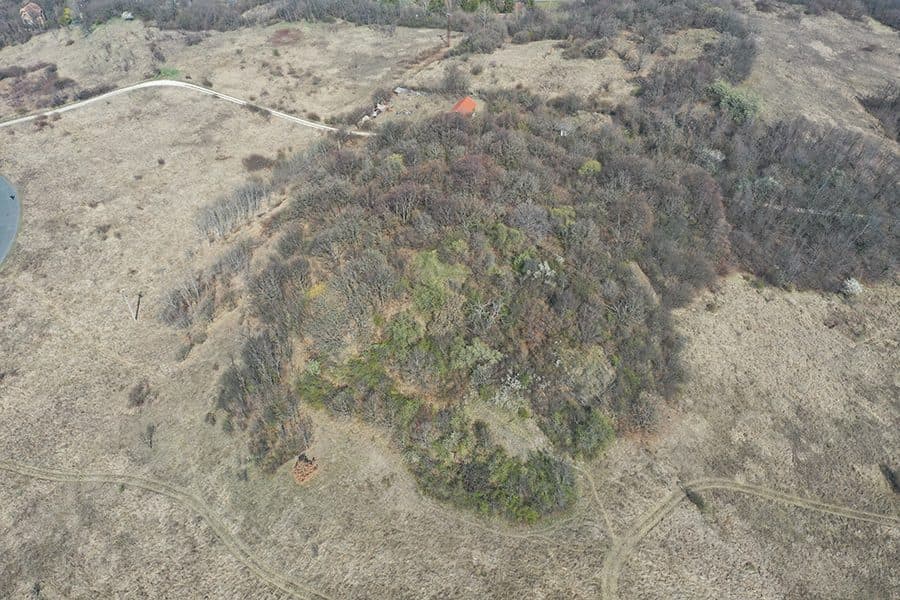
Vertes MountainsGánti Cave is the second-longest cave in Hungary's Vértes Mountains, a fascinating inactive, two-level spring cave tucked into the rocky outcrop known as Angyal-lépcső. It's a place where limestone and dolomite meet in unusual ways, creating spherical hollows, twisting corridors and delicate dripstone formations rarely seen elsewhere in the range.
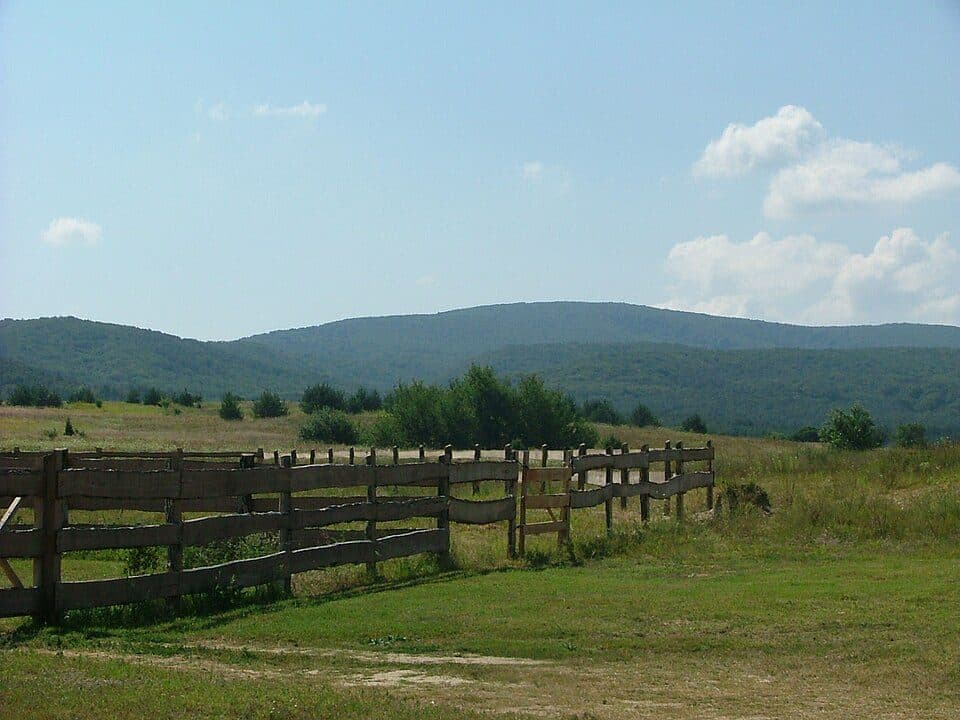
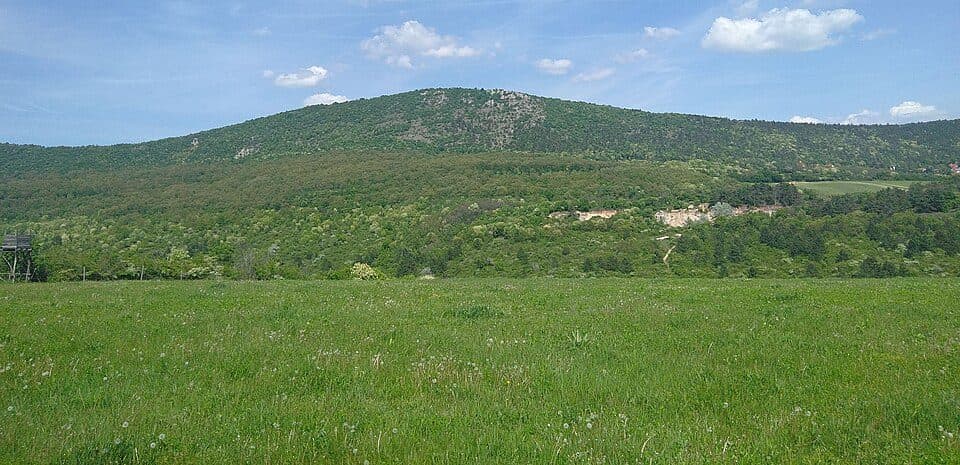
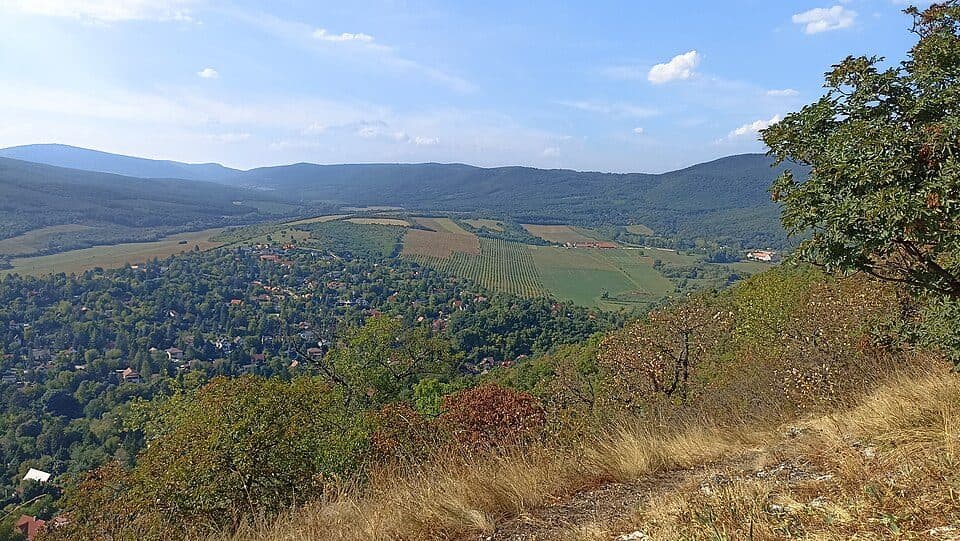
The cave's entrance sits on a hillside about 15-16 meters above the valley floor, at 255 m above sea level, reached easily via a marked path. Inside, narrow passages open into larger chambers with evocative names — the Fissure Hall, the Great Hall, the Gallery, the Attic and the End Chamber. A fine yellowish dust coats parts of the rock, adding to the otherworldly atmosphere. Set within the Duna-Ipoly National Park, the surrounding forest changes dramatically with the seasons, from crisp winter stillness to lush summer green.
How to get there
- From Gánt — follow the old road toward former Kápolnapuszta, about 1.5 km northwest of town, moderate terrain, roughly 30-40 minutes on foot
- A clear path leads directly to the entrance; the cave is marked on hiking maps with a cave symbol
Practical information
- The cave is gated — visits require permission from the Duna-Ipoly National Park Directorate
- Maximum two groups per day, up to 10 people per group
- Entry is forbidden from October 1 to April 30 to protect hibernating bats
- A full visit through all passages takes about 2 hours
Seven bat species live here, including the lesser horseshoe bat, and archaeological finds — including Bronze and Iron Age pottery — have earned the cave protected archaeological status since 2013.