Ładowanie mapy…
Brenner Pass
The Brenner Pass is one of the most historically significant crossings in the Alps - a border pass connecting Austrian Tyrol with Italian South Tyrol, and today one of the busiest transalpine routes in Europe. Standing here, you're at a crossroads where ancient trade routes, modern highways, and dramatic mountain scenery all meet.
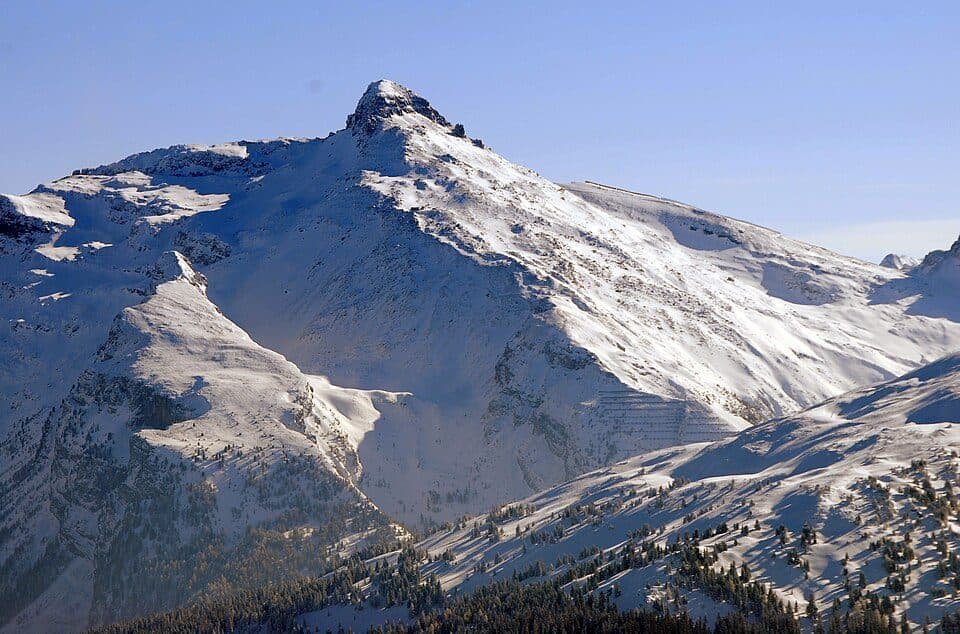
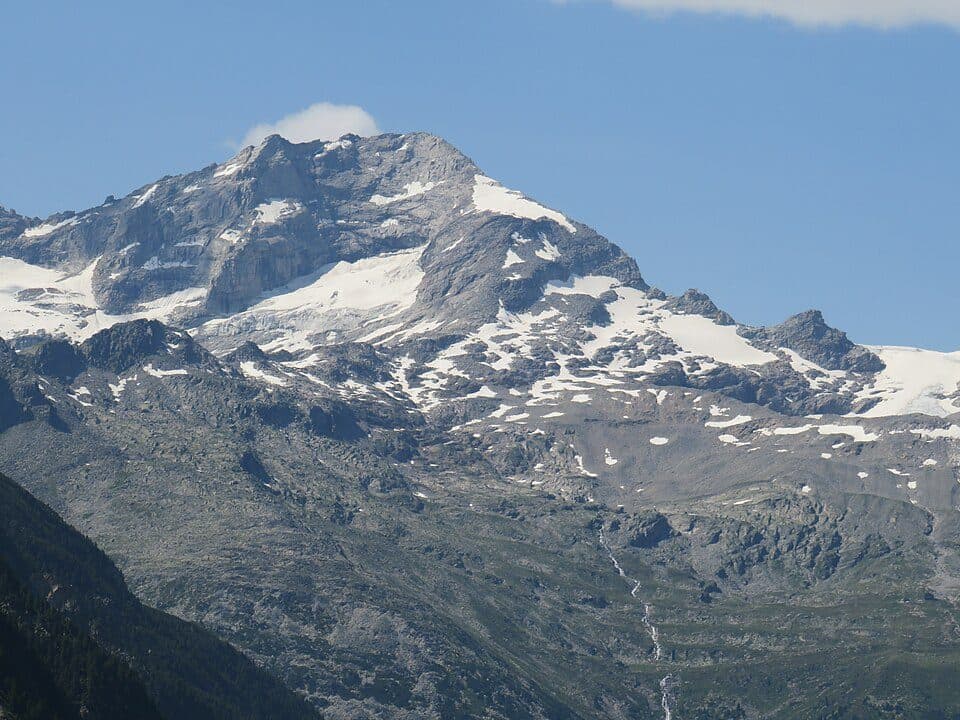
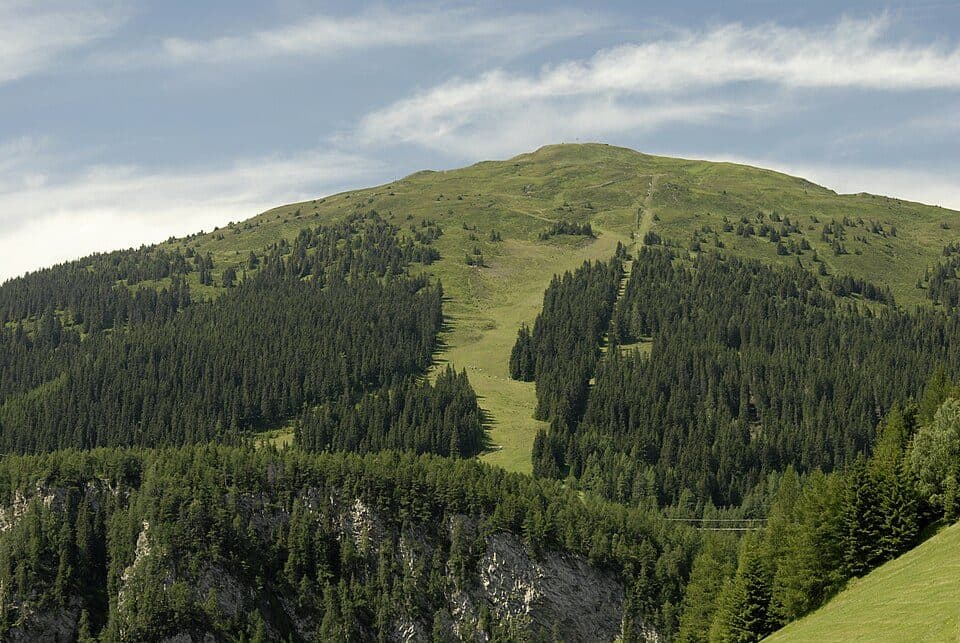
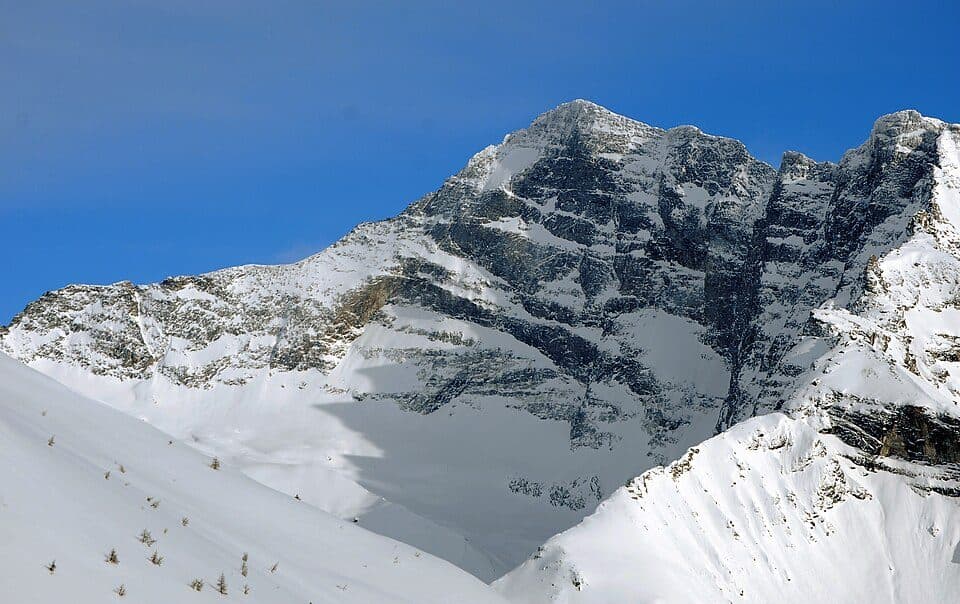
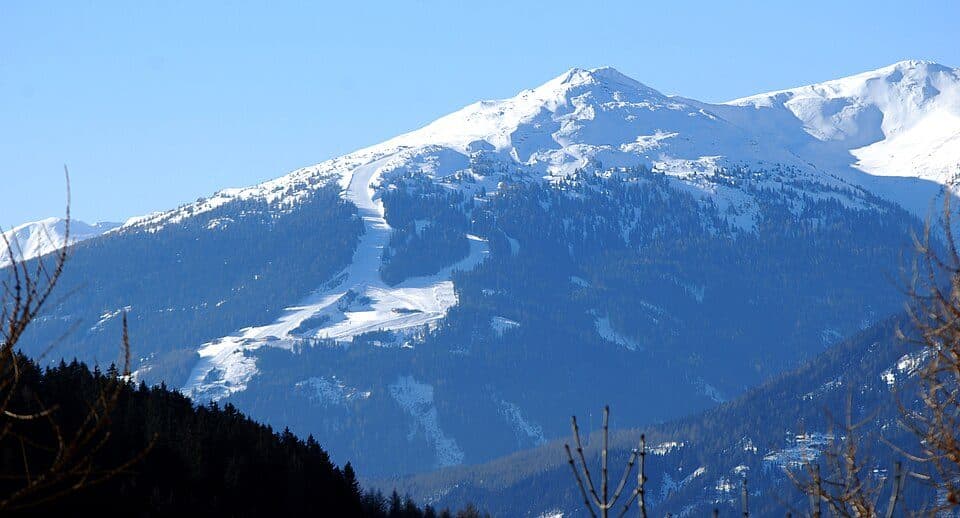
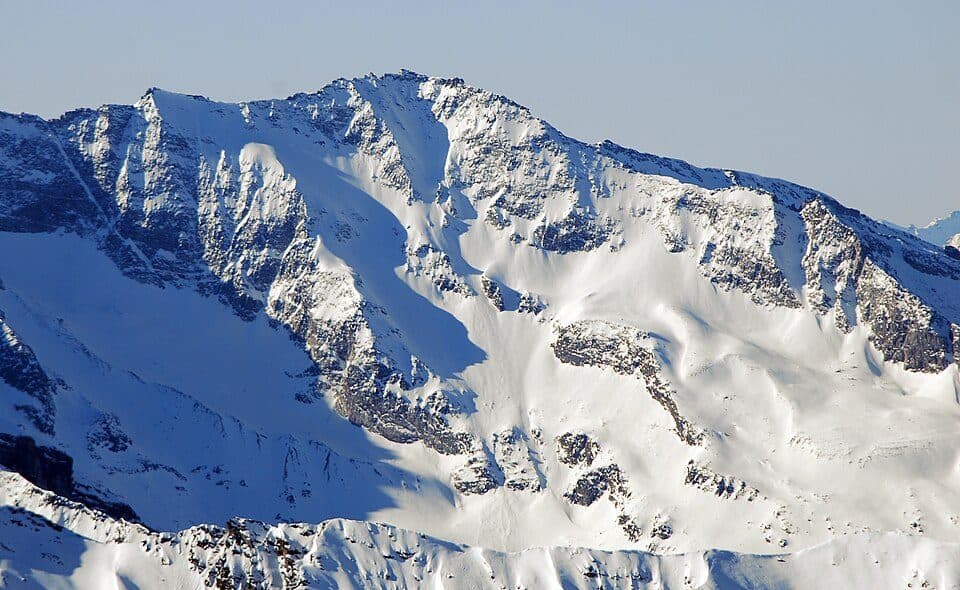
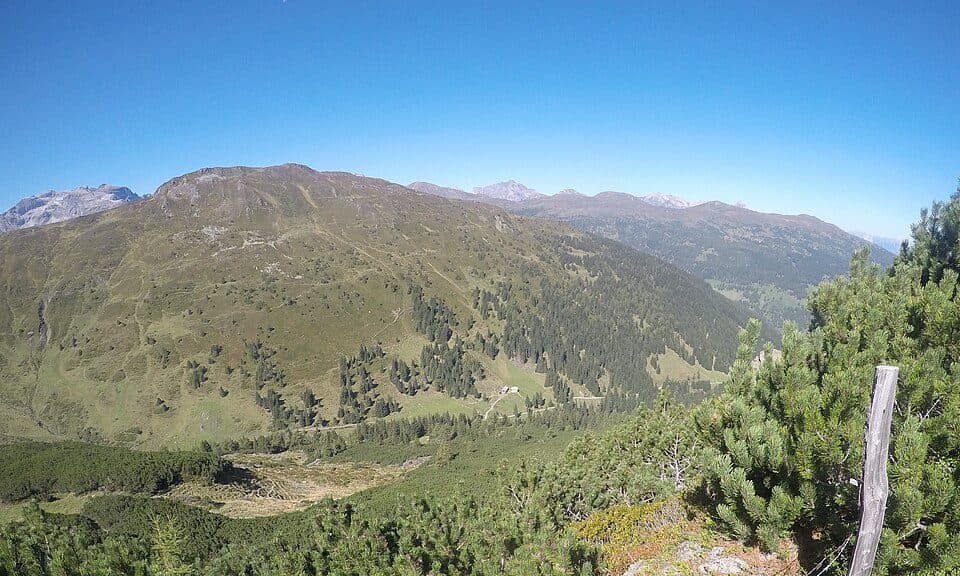
Sitting at 1370 m above sea level, the pass forms a deep, roughly 200-metre-wide notch in the main Alpine ridge, flanked by the Stubai Alps to the west (with the Sattelberg at 2115 m) and the Zillertal Alps to the east (topped by the Wolfendorn at 2776 m). This is also the main European watershed - waters here flow either toward the Adriatic or the Black Sea. The valley, known as the Wipptal, has a working, lived-in character rather than a wilderness feel, but the surrounding peaks and forests still offer genuine alpine beauty in every season, from snow-draped winters to green, breezy summers.
How to get there
- From Innsbruck, Austria - via the A13 Brenner Autobahn or the B182 road, about 1 hour, easy drive
- From Bolzano, Italy - via the A22 motorway or SS12 road, about 45 minutes, easy drive
Practical information
- The pass hosts the village of Brenner, split between Austria and Italy by the state border
- Also reachable by train via the Brenner Railway, with a station right at the summit of the pass
- A major new rail tunnel, the Brenner Base Tunnel, is under construction and due to be completed by 2032
Interesting fact: the Brenner has long been the most heavily used Alpine crossing, and its name likely traces back to a medieval settler known as 'Prenner', a man who cleared land by burning.