Ładowanie mapy…
Bicaz Gorge
Bicaz Gorge is one of the most dramatic natural landmarks in the Romanian Carpathians — a deep, narrow canyon carved through Jurassic limestone where sheer cliff walls tower over the rushing Bicaz River below. If you only visit one gorge in Romania, make it this one.
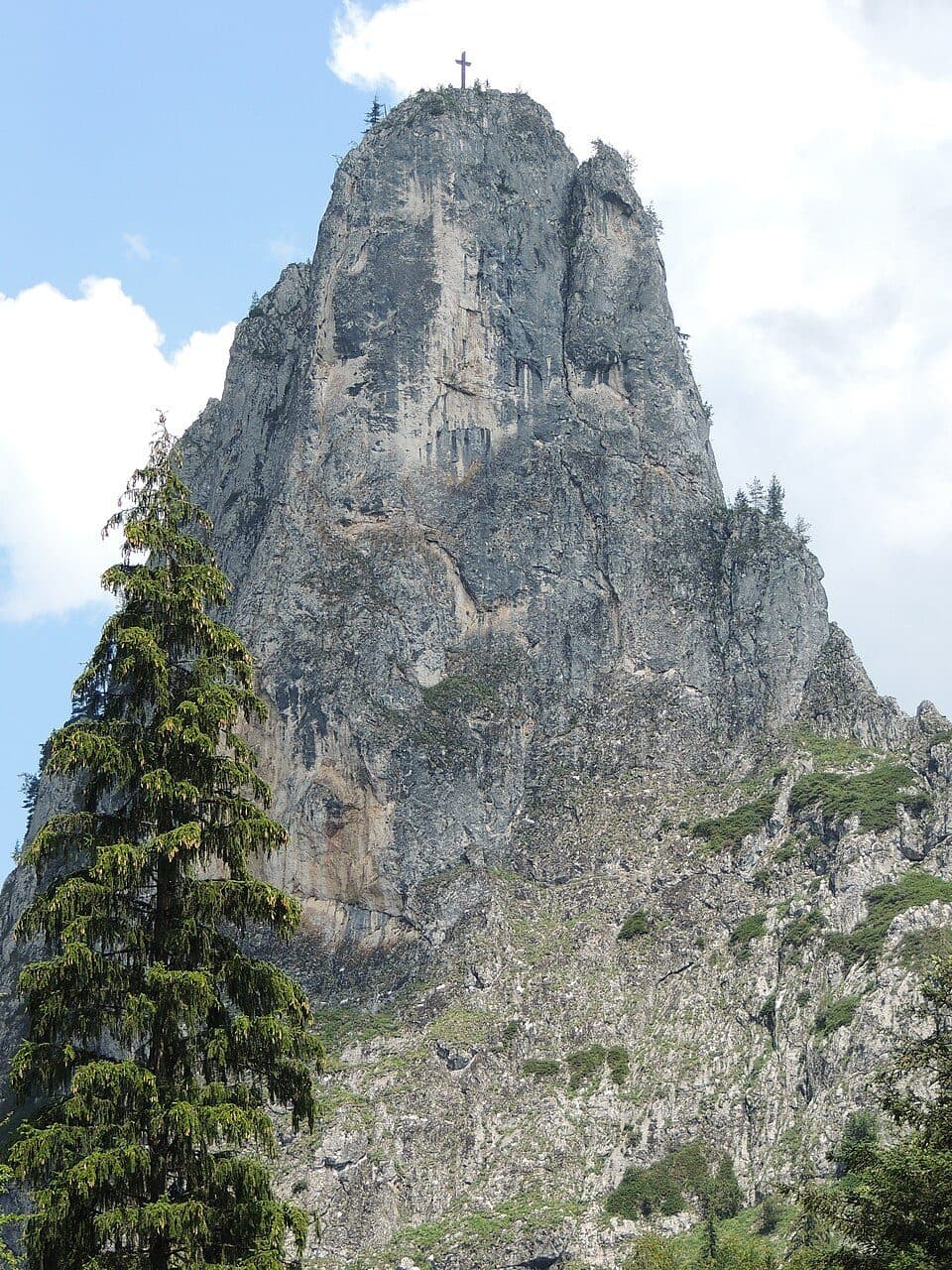
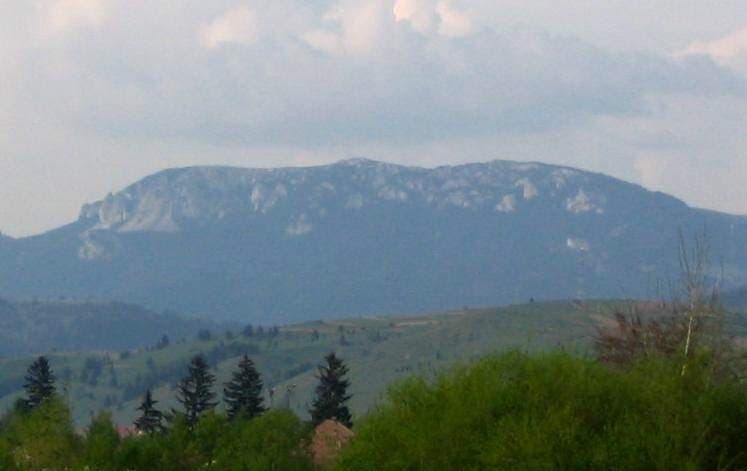
The gorge cuts through the central Hășmaș Mountains, stretching roughly 7.5 km between the resort of Lacu Roșu to the west and the village of Bicaz-Chei to the east. It is divided into four distinct sections, each with its own character: the gentler opening section near Lacu Roșu, the dramatic Piatra Altarului (Altar Stone) area, the narrow 'Gâtul Iadului' ('Hell's Throat') canyon — the most spectacular stretch — and a wider closing section near Bicaz-Chei. Along the way you will also encounter side gorges: the Lapoș Gorge, Bicăjel Gorge and Șugău Gorge, each worth a detour. In spring the river runs wild and loud; in summer the shaded canyon offers welcome relief from the heat; autumn brings brilliant foliage colours; and winter transforms the frozen rock faces into something truly otherworldly.
How to get there- From Lacu Roșu resort (km 26.5 on road DN12C) — western entrance, easy access, walk along the river downstream.
- From Bicaz-Chei village (km 34 on road DN12C) — eastern entrance, easy, ideal for a short walk up to 'Hell's Throat'.
- The gorge is protected within the Cheile Bicazului – Hășmaș National Park.
- The trans-Carpathian road DN12C runs the full length of the gorge, linking Gheorgheni (Transylvania) and Bicaz (Moldavia) — one of Romania's most scenic drives.
- Rock climbing is popular here, with notable formations including Piatra Altarului and Turnul Negru (Black Tower).
- The Lacu Roșu tunnel passes through the Piatra Poienii spur — a curious engineering feature to look out for.
For centuries, Bicaz Gorge was one of the very few natural passages through the Eastern Carpathians, making it a vital crossing point between Transylvania and Moldavia — a history you can almost feel as the canyon walls close in around you.
Source: Wikipedia (license CC BY-SA 4.0)