Ładowanie mapy…
Tomanowa Pass
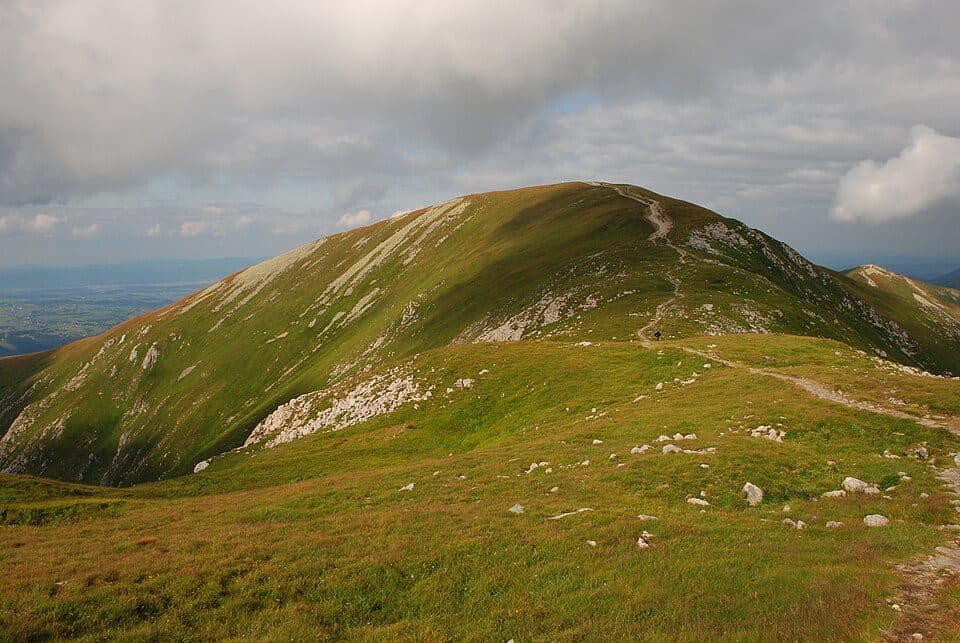
Tomanowa Pass is one of the lowest mountain passes along the main ridge of the Tatra Mountains — and one of the most storied crossings in the entire range. Sitting at 1,685 m above sea level, this wide, grassy saddle has been used for centuries by merchants, outlaws, miners and wartime couriers, and today it rewards visitors with sweeping High Tatra panoramas and a carpet of alpine wildflowers.
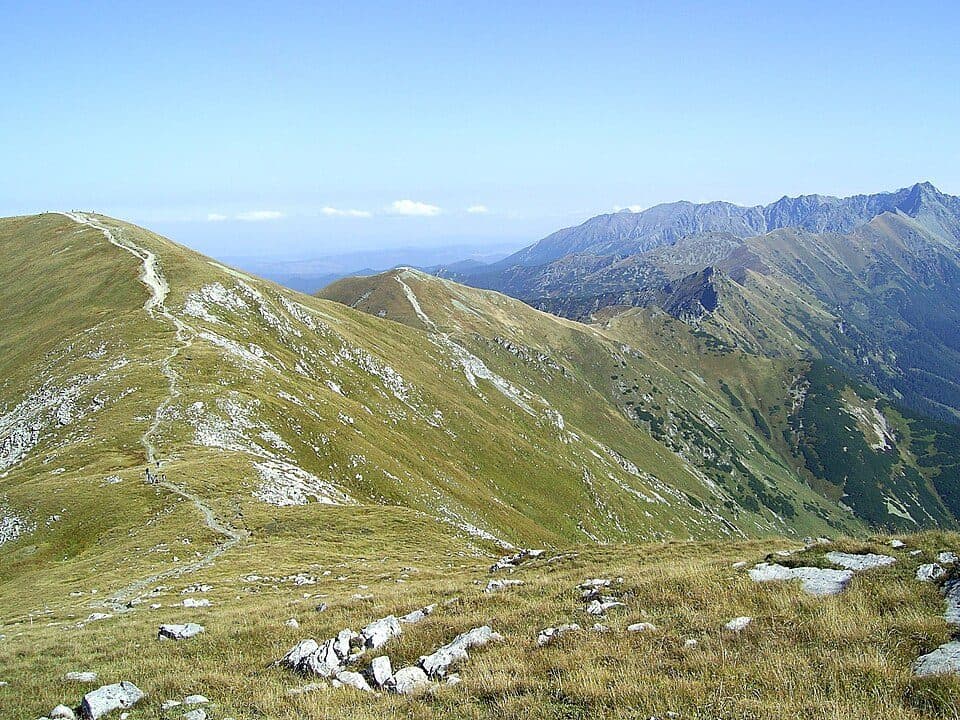
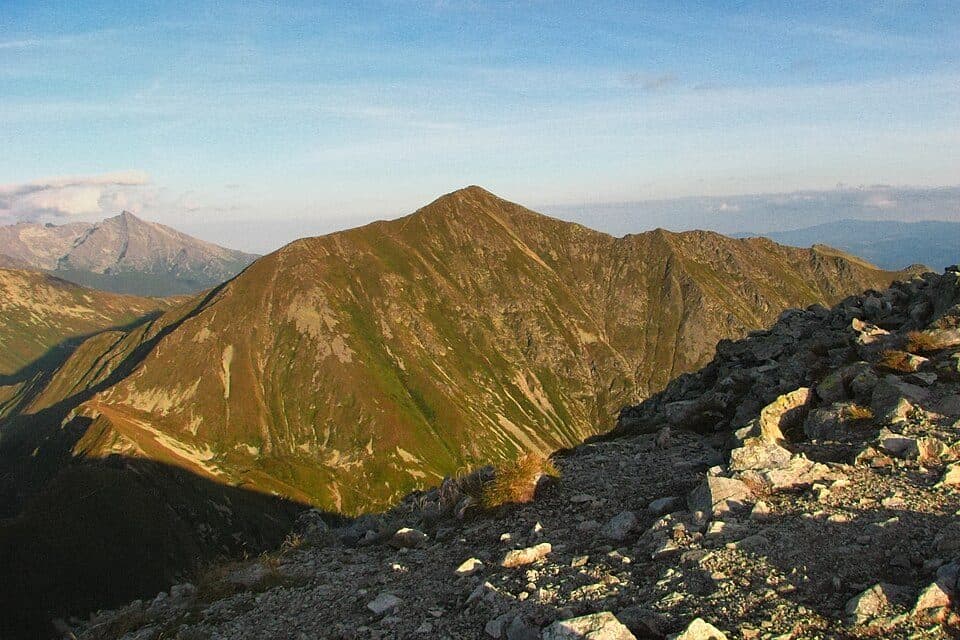
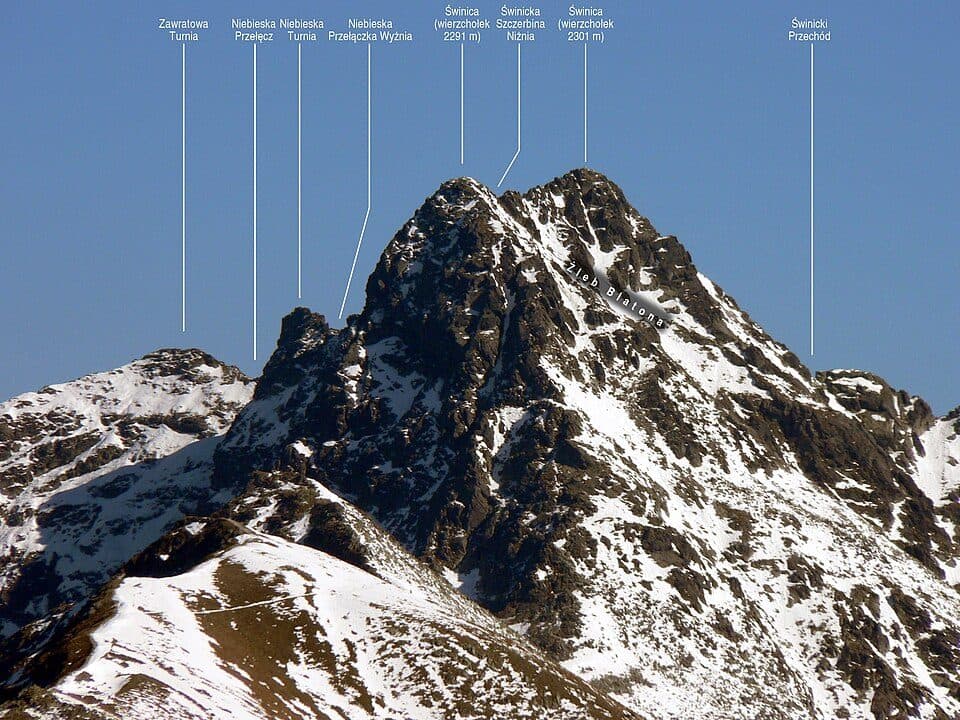
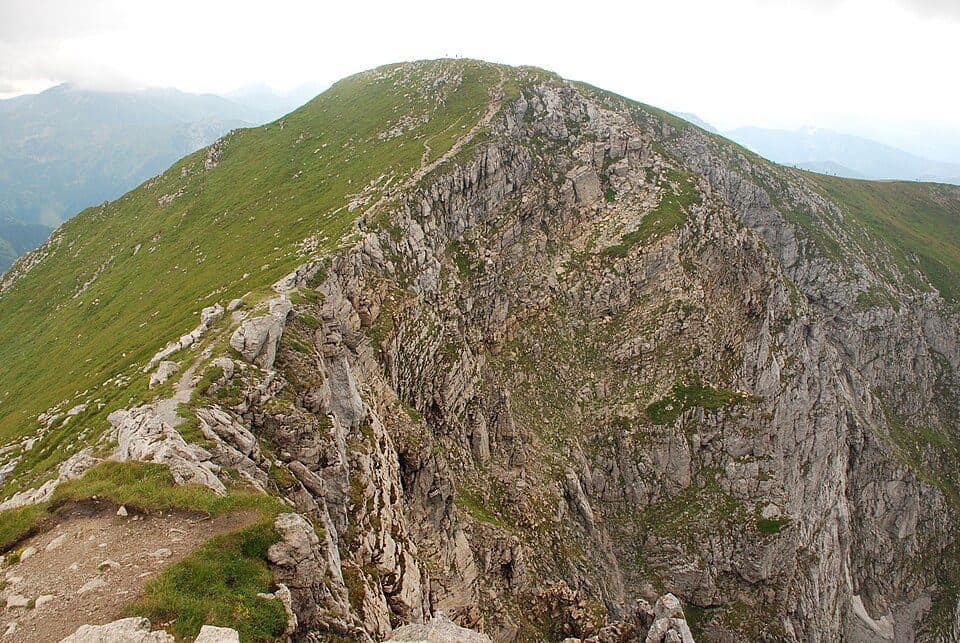
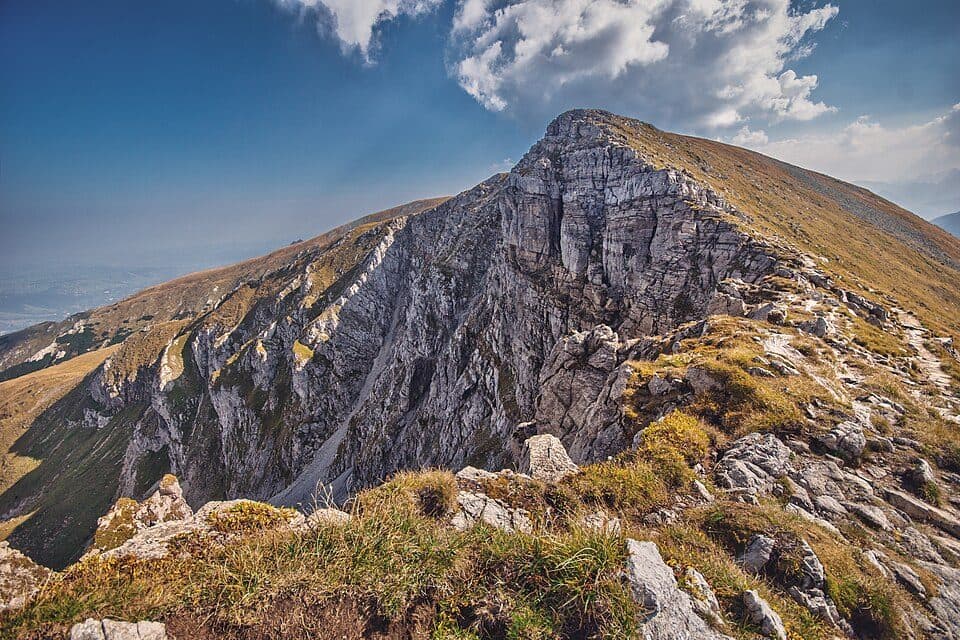
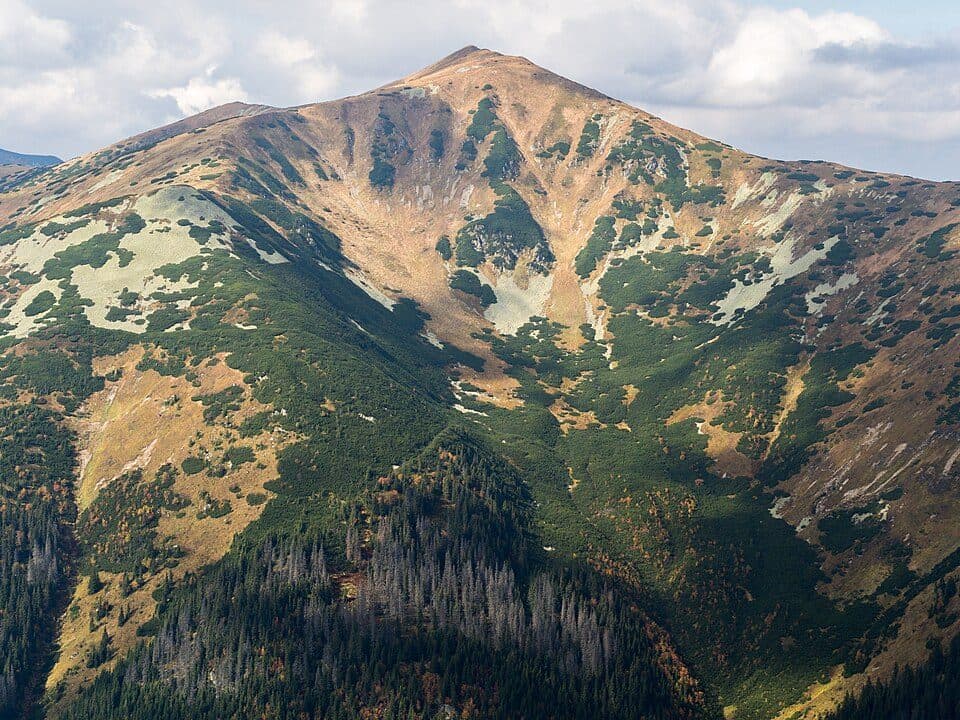
The pass is broad and open, with a gentle, almost pastoral feel that sets it apart from the more dramatic Tatra cols. Built on Lower Triassic shales, it marks the meeting point of two geological formations — limestone series to the north and metamorphic rocks to the south. The views from the saddle stretch across the High Tatras, with Świnica peak and Kominiarski Wierch particularly impressive from here. To the west lies the Polish Tomanowa Valley; to the east, the Slovak Liptovská Tomanová Valley. In spring and summer the grass of the saddle is dotted with alpine flora: roseroot, alpine poppy, cushion catchfly, livelong saxifrage and alpine willow. On the southern ridge of Ciemniak, the limestone rocks known as Tomanowe Stoły (Tomanowa Tables) and the picturesque Głazista Turnia crag are well worth a look.
How to reach the viewpoint- Tomanowa Valley (Polish side) — a former red trail led up through Kamienisty Żleb gully to the pass; note: this route has been closed by Tatra National Park since 22 May 2009.
- Cicha Valley / Liptovská Tomanová Valley (Slovak side) — the Slovak red trail was also closed in June 2008.
- Always check the current trail status with Tatra National Park (TPN) and Slovak authorities before setting out — access may be officially restricted.
- The pass sits on the Polish-Slovak border; a valid ID document is required to cross.
- A rare Carpathian plant species — Hieracium silesiacum — has been recorded on the Slovak side of the pass. Please do not pick any plants.
For a literary connection, the most important scenes of the novel 'Koleba na Hliniku' by Jerzy Mieczysław Rytard and Helena Roj are set right here — making Tomanowa Pass a place where history, nature and storytelling come beautifully together.