Ładowanie mapy…
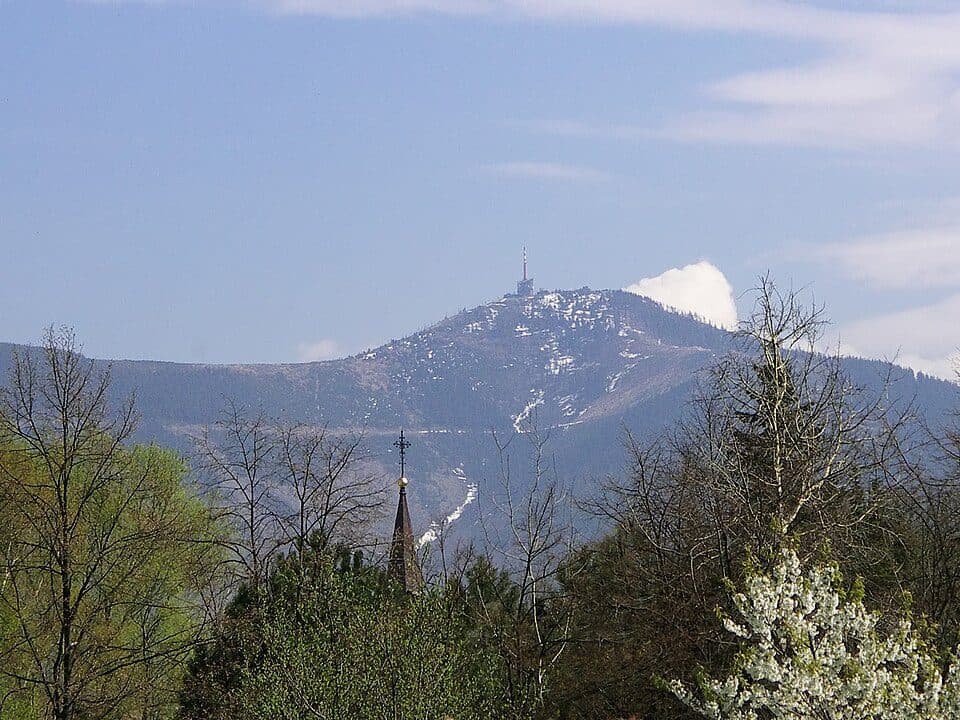
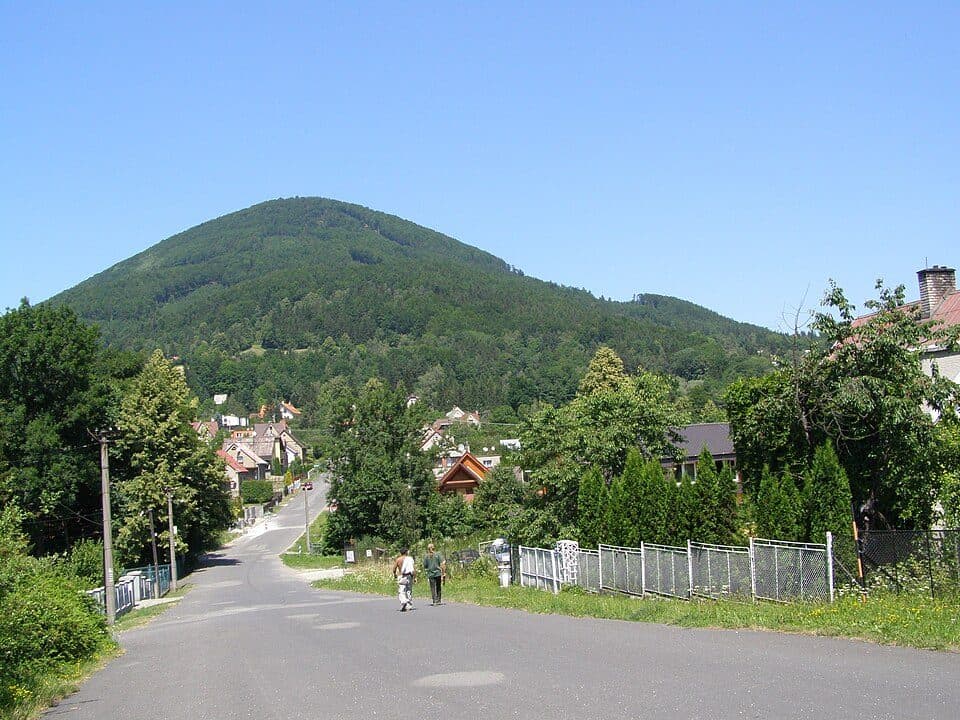
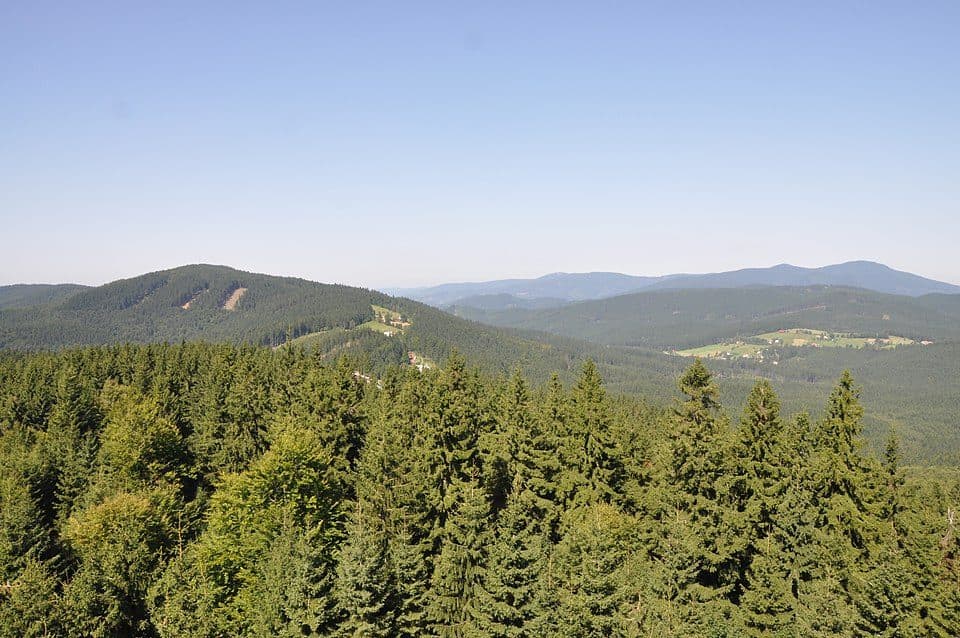
NPR Radhošť is one of the most precious nature reserves in the Czech Beskids — a sweeping forest sanctuary where ancient beech stands, windswept summit spruce forests and deep rocky ravines come together in a landscape that feels genuinely wild. Lynx roam its slopes, rare woodpeckers nest in hollow old-growth trees, and a Carpathian endemic plant found almost nowhere else in Europe blooms quietly in the undergrowth.
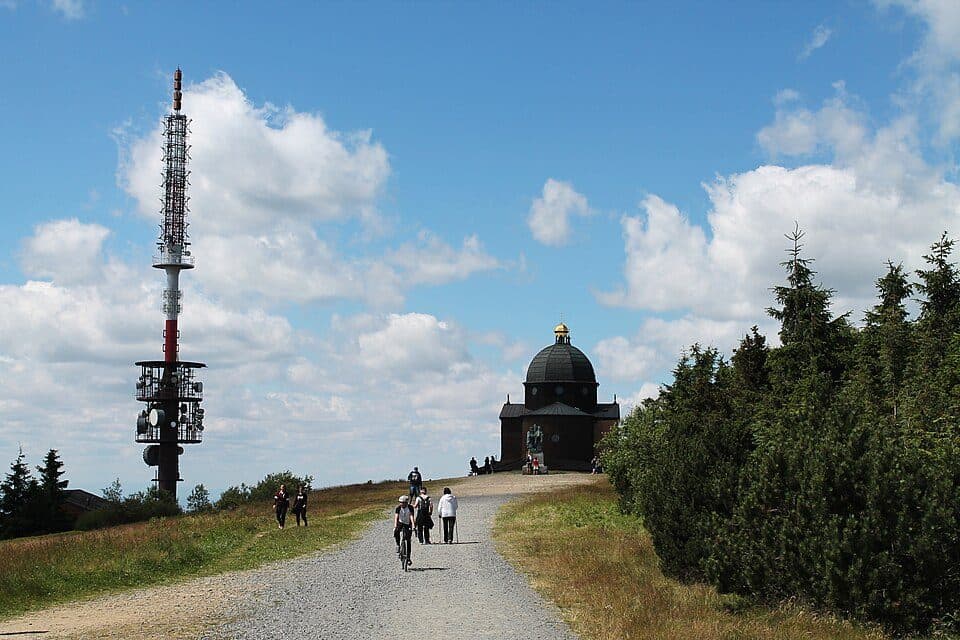
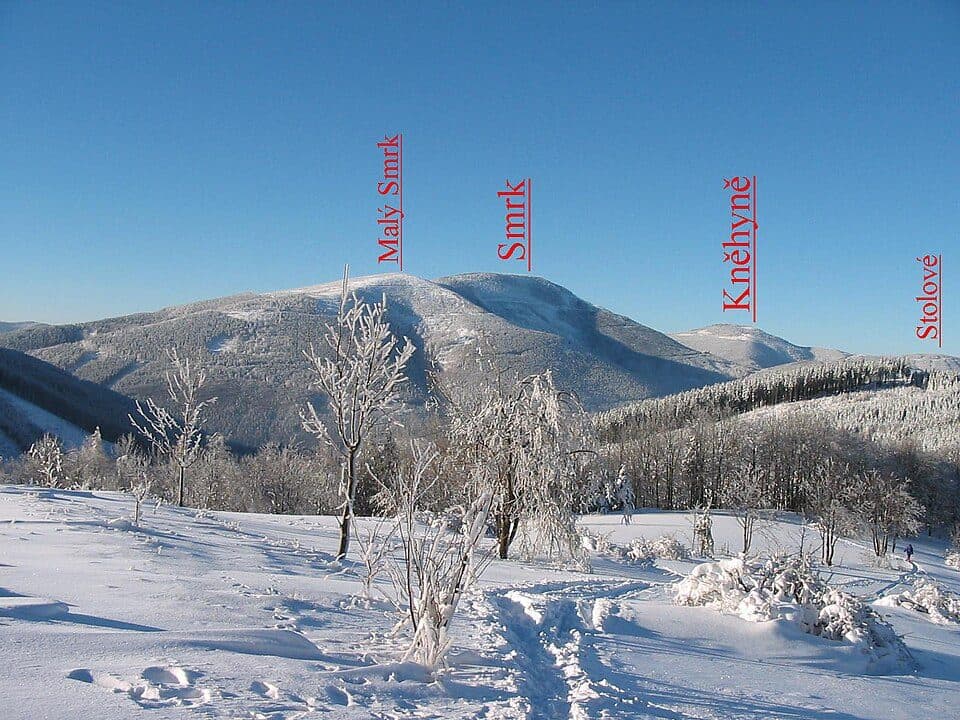
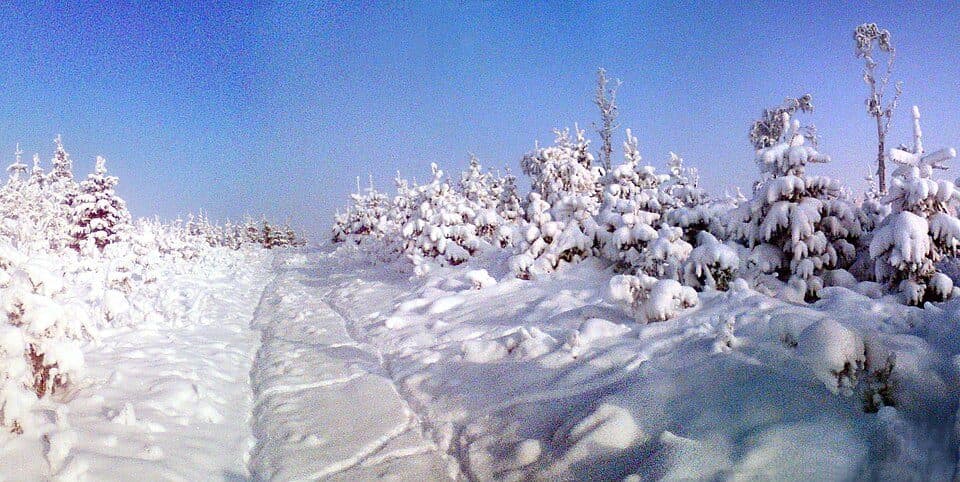
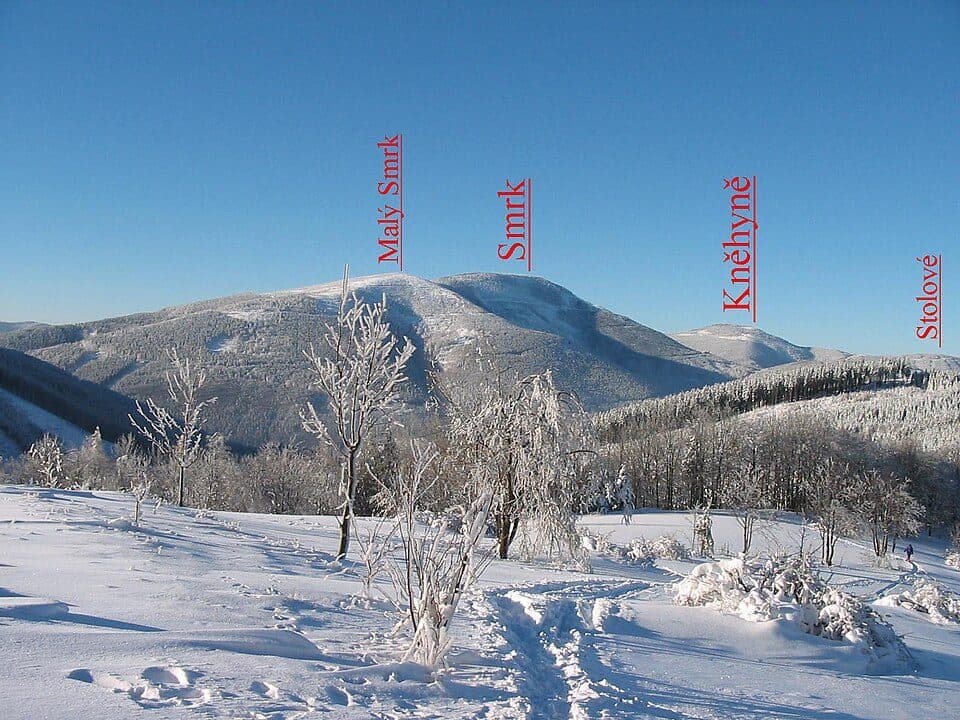
The reserve spreads across the steep northern slopes of Mount Radhošť between 660 and 1120 metres above sea level in the Moravian-Silesian Beskids. The heart of the reserve is formed by multi-layered old beech forest mixed with fir and sycamore maple, while the highest zones are home to open, wind-battered spruce stands draped in frost and snow from late October all the way through to May. In summer, the shaded ravines of the Radhoštnice stream offer a refreshing coolness, and in autumn the beeches turn the hillsides into a blaze of gold and copper. The reserve is rich in mosses and liverworts — over 95 species have been recorded here, making it exceptional even by Beskids standards.
How to get thereKeep an eye out for the Moravian monkshood (Aconitum firmum subsp. moravicum) — a Western Carpathian endemic listed as a threatened species at European level and one of the botanical highlights of any visit to this remarkable reserve.