Ładowanie mapy…
Aggtelek National Park
Nature reserve
Slovak KarstAggtelek National Park is one of Central Europe's most extraordinary natural wonders — a vast karst landscape where beneath rolling limestone plateaus hide over 270 caves filled with stalactites, stalagmites, underground rivers and crystal formations found almost nowhere else on Earth. Established in 1985 and inscribed on the UNESCO World Heritage List in 1995 jointly with the Slovak Karst, this is a place where the underground world is every bit as spectacular as what lies above it.
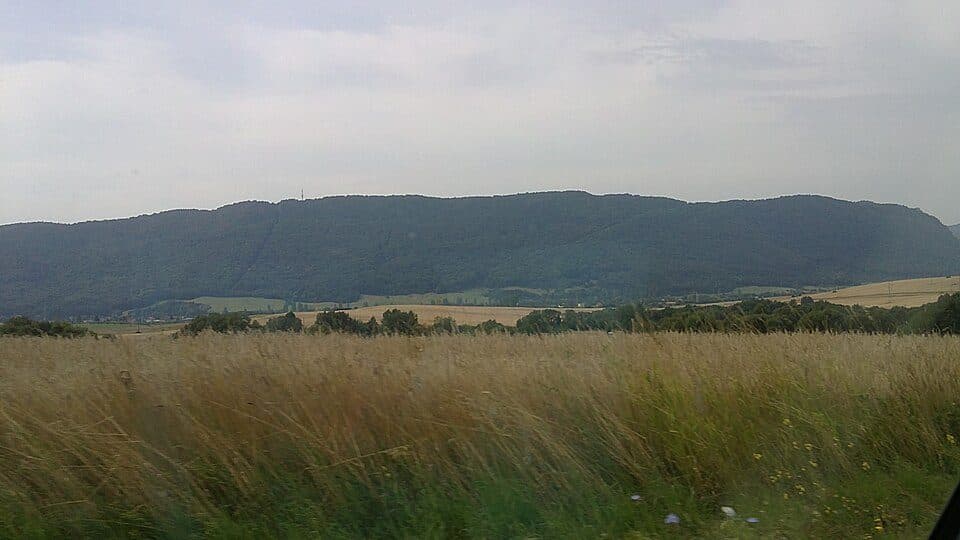
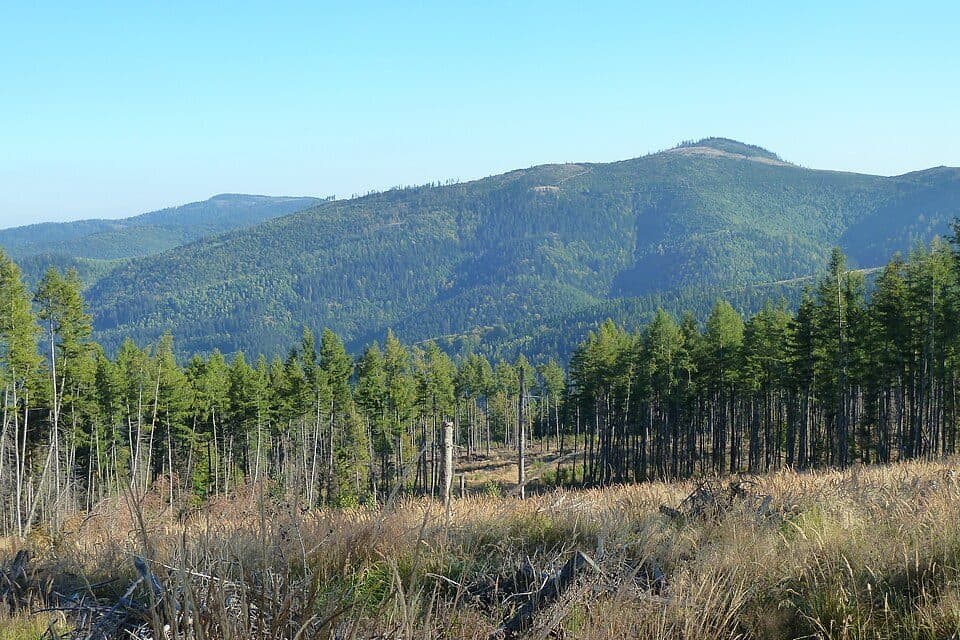
Above ground, the park feels like a quietly dramatic hill country — funnel-shaped sinkholes dot the meadows, rocky gorges cut through ancient oak and beech forests, and on the warmer southern slopes you might spot a praying mantis basking in the sun. Spring brings carpets of pasque flowers and dog's-tooth violets; autumn turns the whole landscape into shades of amber and rust. The park stretches across more than 20,000 hectares of the Aggtelek Karst and is home to 413 protected animal species, including wolves, lynx, kingfishers and an impressive population of Apollo butterflies.
How to get there- Aggtelek village (main entrance near Baradla Cave) — nature trails, easy to moderate, accessible year-round above ground
- Jósvafő — starting point for central park trails and the park education centre
- Alsó-hegy plateau — trails passing sinkholes and vertical karst shafts, moderate to demanding
- Cave tours, including the world-famous Baradla–Domica system, are guided only — book tickets in advance especially in peak season
- Some caves have seasonal opening hours — check the park website before visiting
- Collecting plants, rocks or cave formations is strictly prohibited
- The education centre in Jósvafő offers guided field trips and programmes for school groups
The Baradla–Domica cave system stretches 25 kilometres across the Hungarian-Slovak border, making it the longest active stream cave in the temperate zone — and prehistoric human artefacts found inside prove people have been exploring it for thousands of years.
Source: Wikipedia (license CC BY-SA 4.0)