Ładowanie mapy…
Moravian Gate
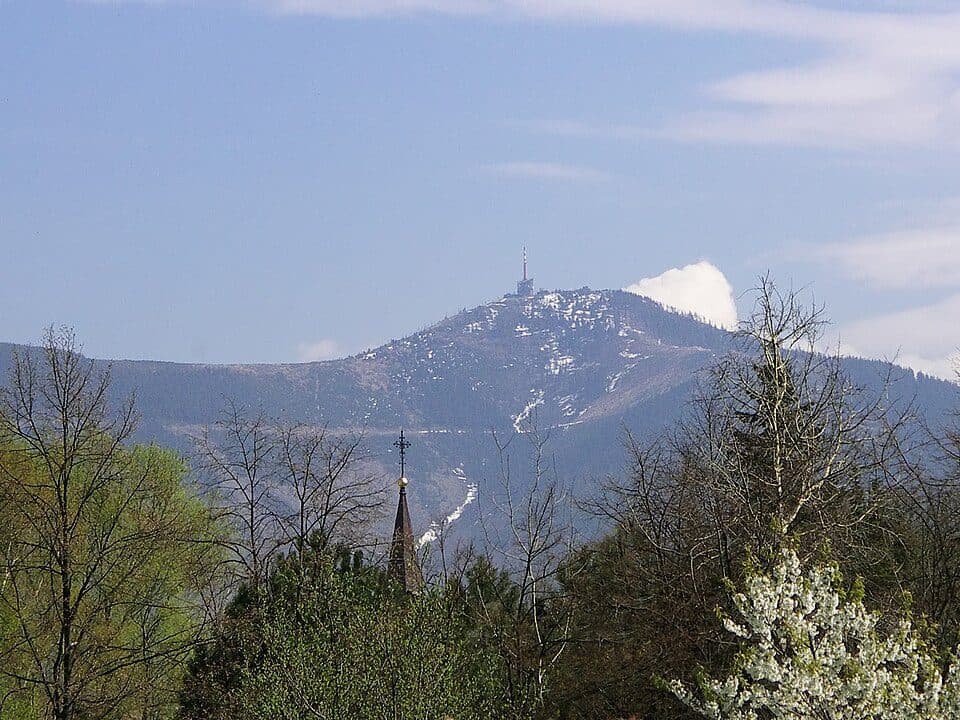
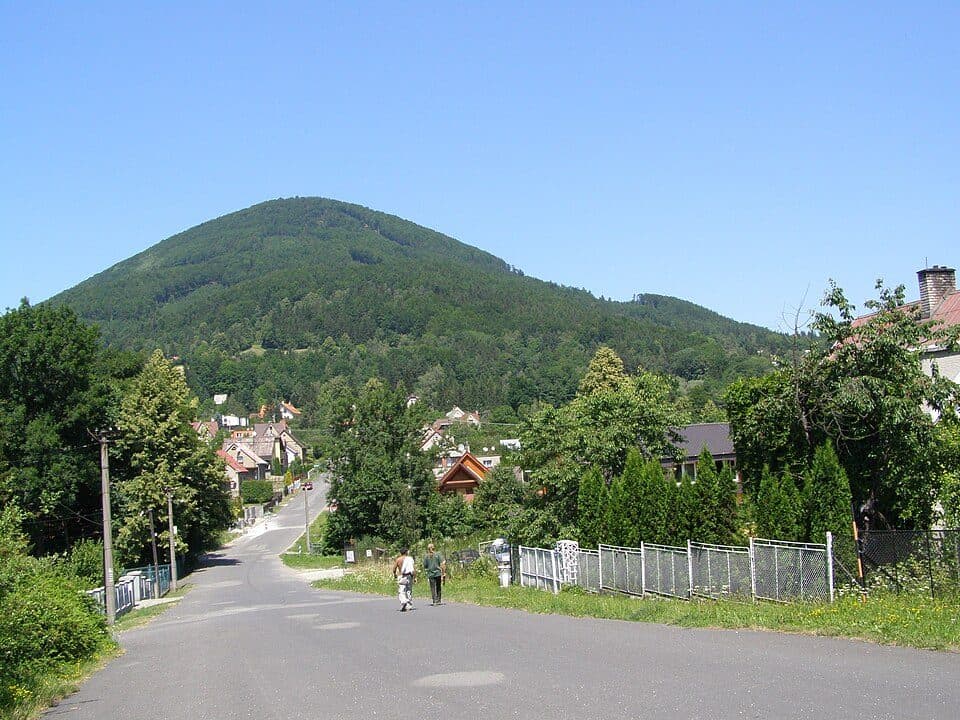
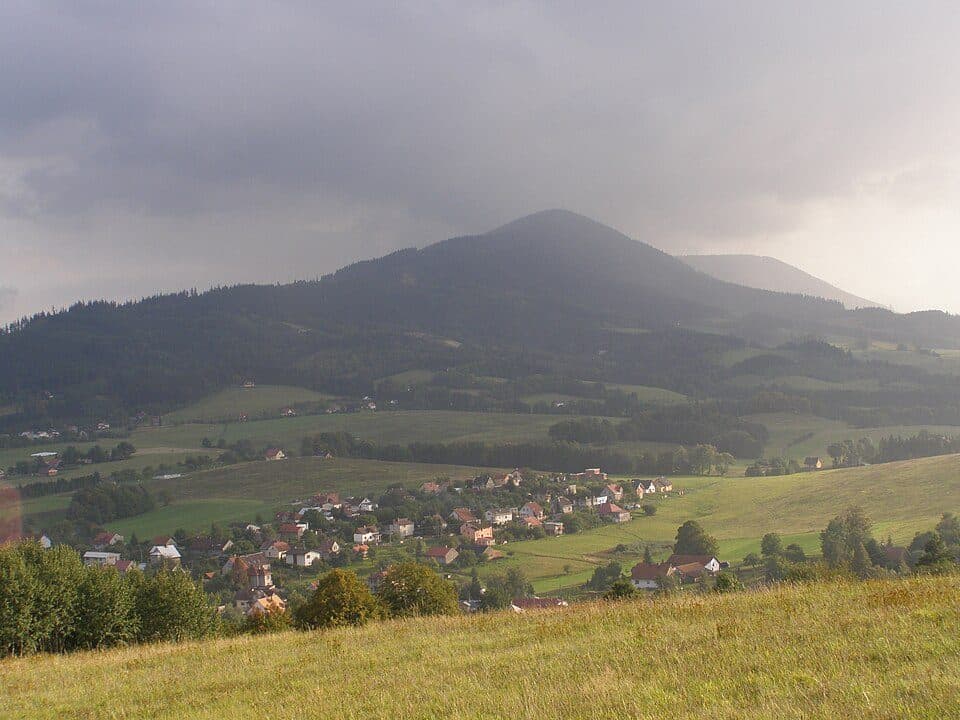
The Moravian Gate is one of Central Europe's most remarkable natural corridors — a broad, roughly 70-kilometre lowland passage stretching between the Beskydy foothills and the Low Jeseník hills, linking the Danube basin to the Baltic. Humans and animals have been passing through here since prehistoric times, and that sense of ancient movement still hangs in the air today.
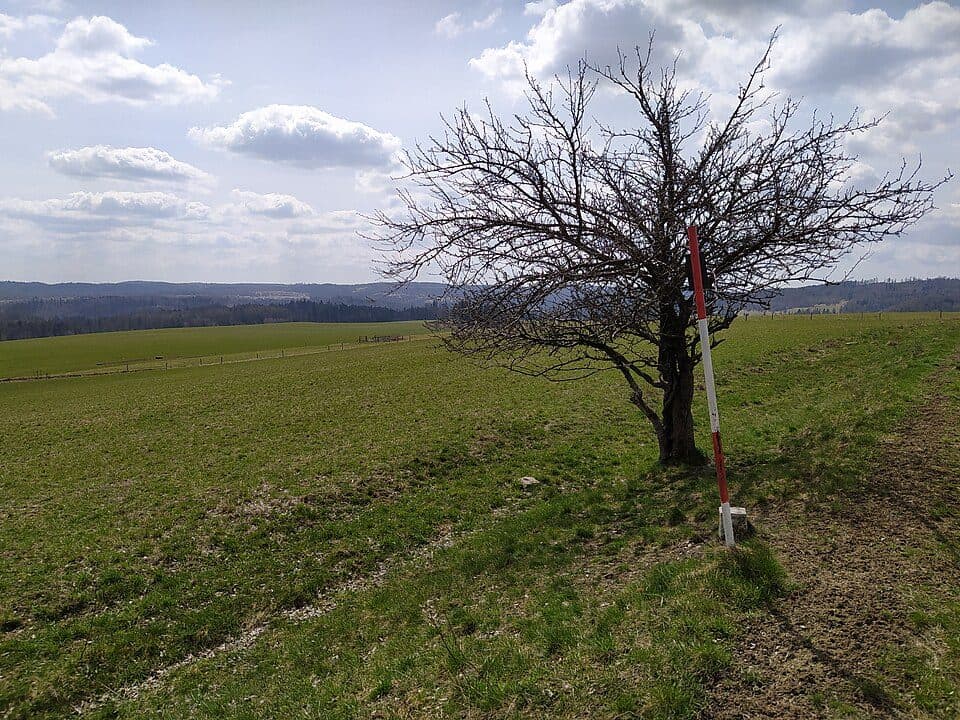
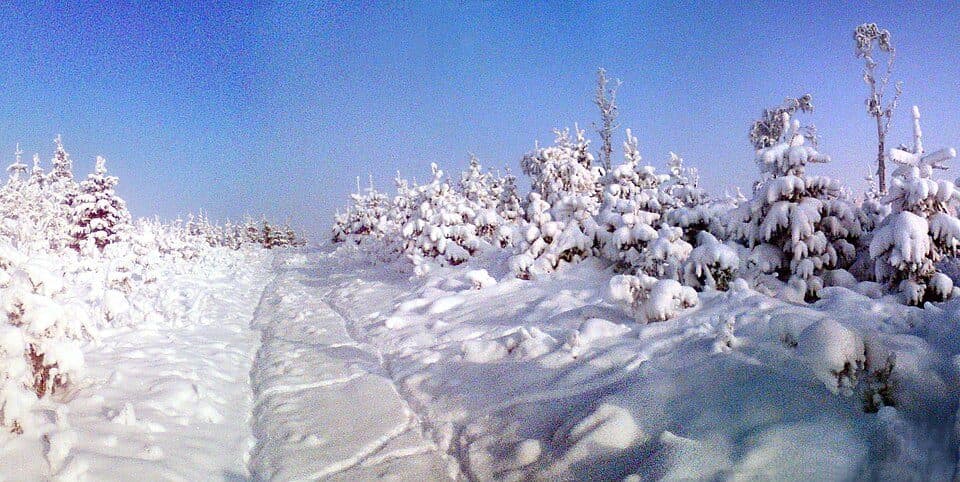
The landscape is gentle and open: flat plains and softly rolling terrain framed by distant ridges on either side. Two rivers flow through the Gate in opposite directions — the Bečva heading southwest towards the Black Sea, and the Odra heading northeast towards the Baltic. Their watershed meets in a shallow saddle near Bělotín at just 311 metres above sea level, marked by a concrete monument beside the road. Spring brings flowering floodplain forests, summer invites cycling and riverside walks, autumn colours the meadows in gold, and winter offers crisp, wide-open views across the valley.
A large part of the Gate falls within the Poodří Protected Landscape Area, where the meandering old Odra channel, riparian forests and several small nature reserves protect some of the region's most precious habitats — a real treat for birdwatchers and anyone who loves slow, quiet nature walks on flat terrain.
How to get there- Hranice na Moravě — the central town of the Gate, a great base for hiking and cycling along the Bečva and Odra rivers; easy terrain.
- Bělotín (near Hranice) — a short, easy stroll from the road I/47 to the European watershed monument; no elevation gain.
- Poodří Protected Landscape Area (around Studénka and Ostrava) — flat walking and cycling trails through riverside floodplain forests along the Odra; easy level.
- The Poodří Protected Landscape Area has nature protection rules — some reserves are accessible from marked trails only and off-trail access may be restricted.
- Polanská niva National Nature Reserve and other small reserves may have seasonal access restrictions — check before visiting.
The ancient Amber Road passed through here thousands of years ago, and in the 19th century the Emperor Ferdinand Northern Railway — one of the Habsburg Empire's first major lines connecting Vienna with Galicia — followed the very same natural corridor that today carries motorway D1 and a key pan-European rail freight route.
Source: Wikipedia (license CC BY-SA 4.0)