Ładowanie mapy…
Ruins of the Discalced Carmelite Monastery in Zagórz
Tourist attraction
Bieszczady MountainsPerched above a bend of the Osława River, the monumental ruins of this late-Baroque fortified monastery are among the last surviving defensive monasteries in Poland. Its history is dramatic — sieges during the Bar Confederation, a mysterious fire, and two failed attempts at reconstruction in the 20th century.
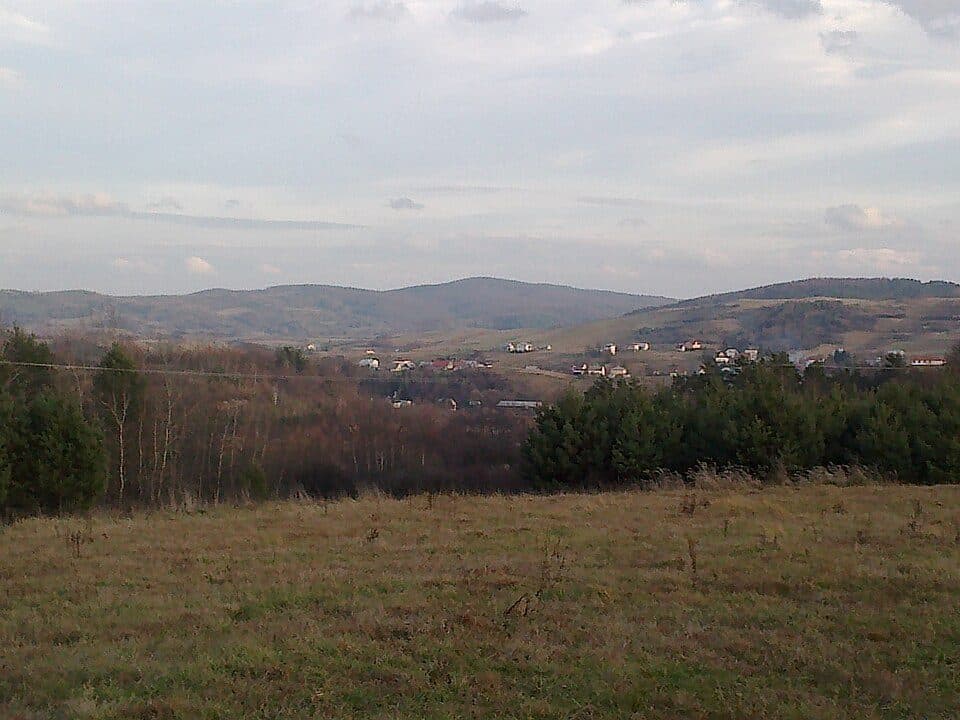
The monastery stands on Mariemont Hill, built from distinctive yellow sandstone, its southern rocky face dropping steeply toward the river and popular with climbers for training. The hill enjoys an unusually warm microclimate, supporting heat-loving trees and shrubs, plus grass snakes and vipers among the rocks. From the walls, the view stretches over Zagórz, the Słonne Mountains and the eastern Beskid Niski — especially striking at sunset, while autumn and winter give the ruins an eerie, romantic mood.
How to get there- Zagórz town centre — short climb onto the hill, easy route, free access from the western side
- Zagórz railway station — short walk, site fully adapted for tourists
- One of the towers houses a viewing platform open to visitors
- The Foresterium Culture Centre next to the ruins offers a VR/AR exhibition (paid entry)
- Paths and information boards have been arranged around the ruins
Inside the church ruins, a plaque commemorates a 1957 visit by the future Pope John Paul II, while local legends speak of a secret tunnel beneath the Osława riverbed and a ghostly monk who wanders the ruins at night.