Ładowanie mapy…
Reformed Belfry, Szalonna
Tourist attraction
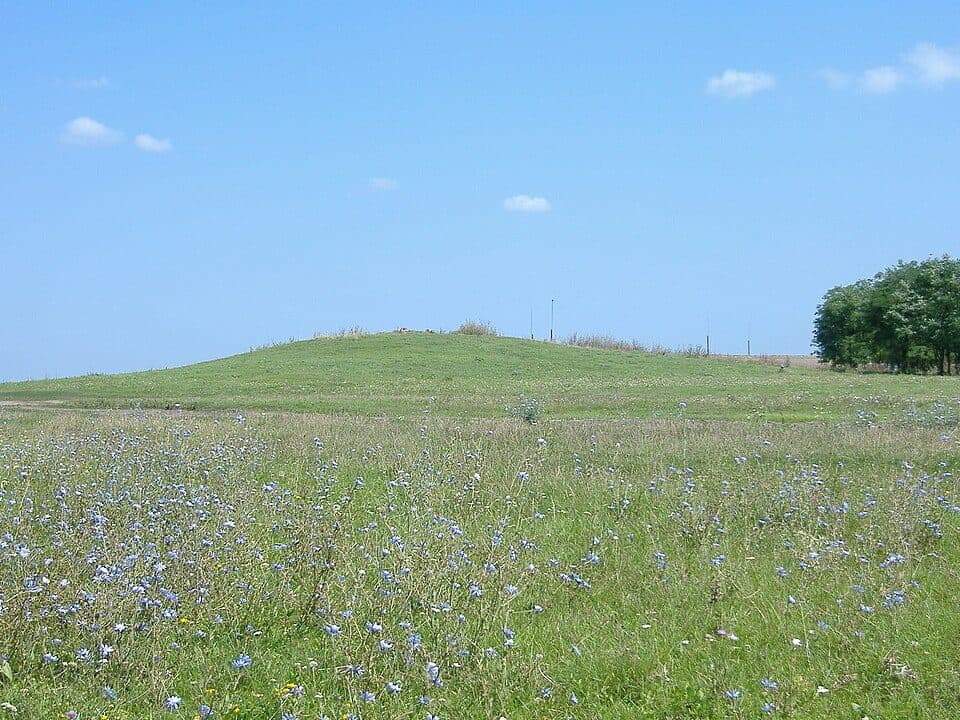
Slovak KarstIn the middle of the village of Szalonna, on a small hill, stands one of northern Hungary's most fascinating sacred sites - a medieval round church paired with a striking wooden belfry. This is where Romanesque and Gothic architecture meet, and where fresco fragments up to eight centuries old have survived fires, raids and countless rebuildings.
Originally built as a circular rotunda by the local branch of the Örsúr clan and later extended in Romanesque style, the church now belongs to the Reformed congregation. Its brick facade decoration and stepped-jamb windows - unique in Hungary - give the building a distinctive, austere charm. Beside it rises the 15-metre wooden belfry from 1765, built by carpenter András Varga, a Baroque structure with a gallery that blends into the green hillside in summer and stands out sharply against winter snow. The peaceful setting invites slow, unhurried exploration.
How to get there- Village center of Szalonna - short walk, a few minutes, easy
- The church and belfry sit on a low rise in the village centre, clearly visible from the main road
- The 150 kg bell was cast by László Szlezák in Budapest in 1938
- Foundations of the medieval sacristy and ossuary are still visible on site
- Medieval carved stones and cannonballs are displayed within the churchyard wall
Inside the rotunda, fresco fragments from the 11th to 15th centuries survive, including rare consecration crosses and scenes from the life of St Margaret of Antioch - silent witnesses to four centuries of religious art.