Ładowanie mapy…
Church of Saints Cosmas and Damian in Bartne
Nestled in the Lemko village of Bartne in the Low Beskids, this wooden Greek Catholic church is one of the most moving cultural landmarks in the Polish Carpathians. Built in 1842, it stands as a quiet testament to a community displaced after World War II, and today welcomes visitors as a branch of a regional museum.
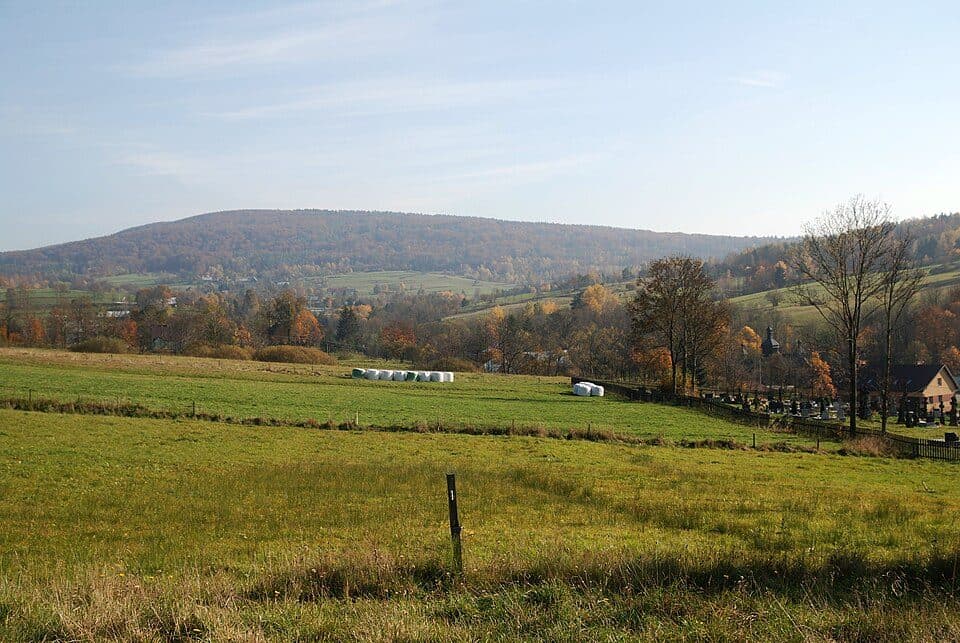
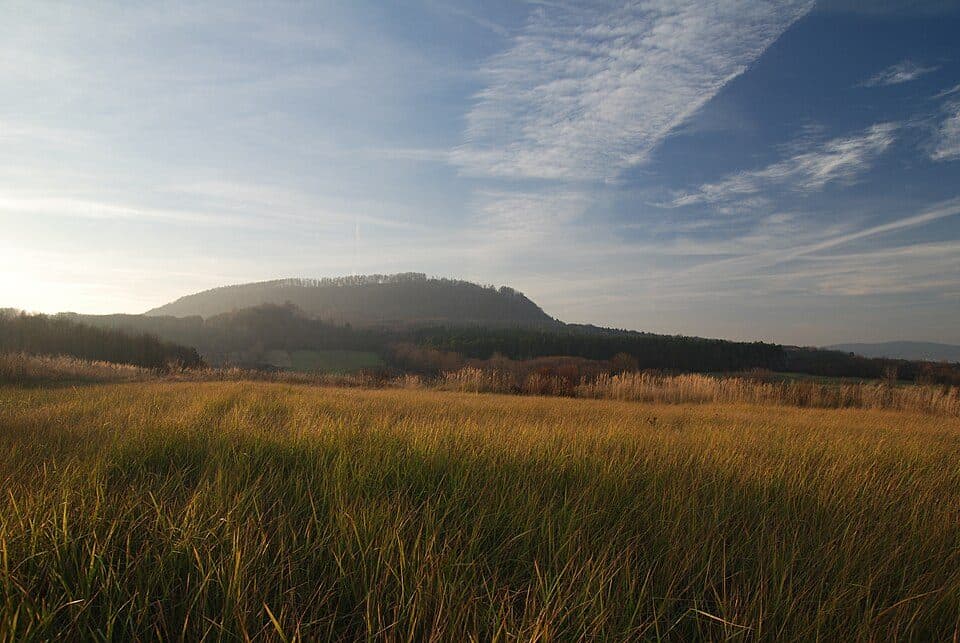
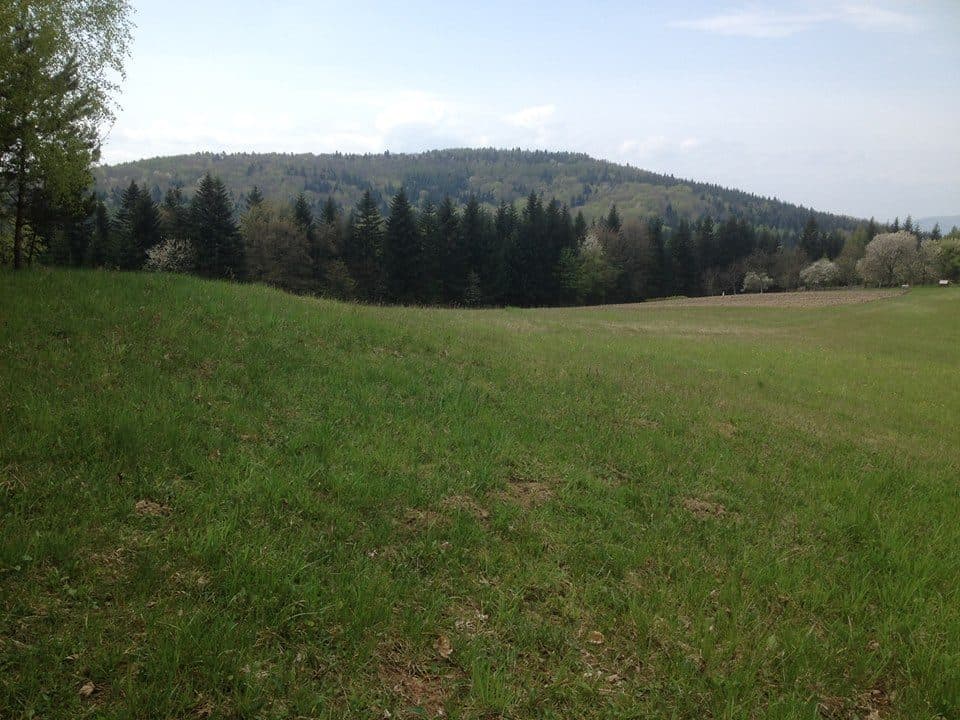
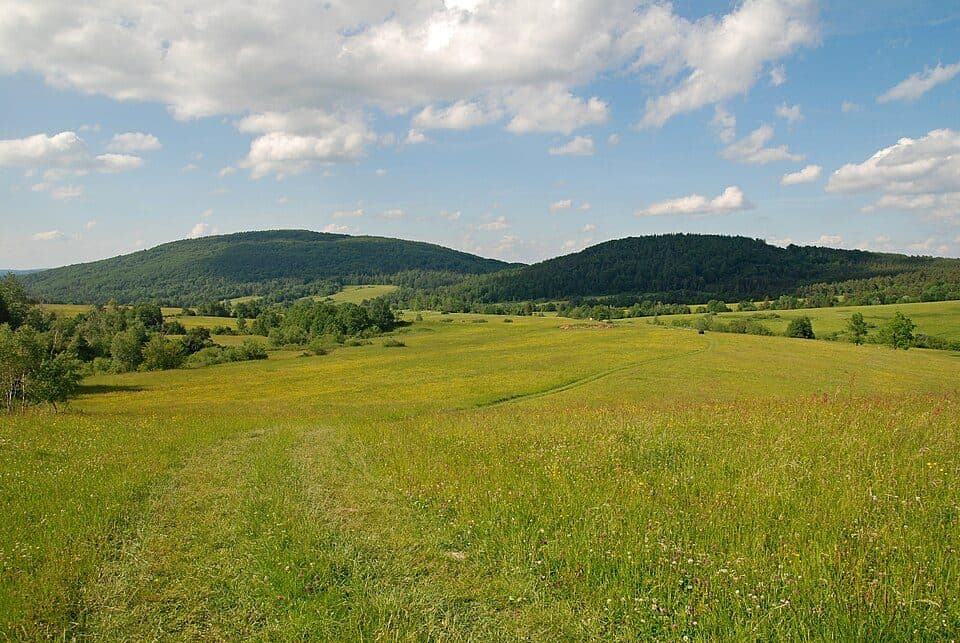
The church sits on a gentle rise surrounded by a wooden log fence with a shingled roof, an old Lemko cemetery with stone grave markers crafted by local stonemasons, and rolling forested hills typical of the Low Beskids. The atmosphere is serene in every season — lush green in summer, hauntingly beautiful in autumn, and strikingly austere in winter. The entire structure, walls and roofs alike, is clad in wooden shingles, giving it a timeless, organic character that blends naturally into the landscape.
How to get there- Bartne is accessible by car from Gorlice or Biecz via a local road through the Ropa valley. Parking is available near the church.
- The church is part of the Małopolska Wooden Architecture Trail and can be combined with visits to other wooden churches in the region.
- The church functions as a museum — a branch of the Karwacjan and Gładysz Manor Museum in Gorlice.
- Inside, the highlight is a late Baroque iconostasis from the 18th century, with tier icons dating back to the 16th century.
- The stone presbytery granary on the grounds houses an exhibition on the history of Lemko stonemasonry.
- Listed as a heritage monument in 1997.
The door frame in the vestibule comes from a church in Nieznajowa that no longer exists, dated 1780 — a small but poignant reminder of the Lemko villages erased by forced resettlements in 1947.