Ładowanie mapy…
Beskid Niski (Low Beskids)
The Low Beskids are the widest and most unspoiled stretch of the entire Carpathian arc — a region of ancient beech forests, abandoned villages and a deep, almost eerie silence that popular mountain resorts simply can't offer. If you're after wilderness without the crowds, this is your place.
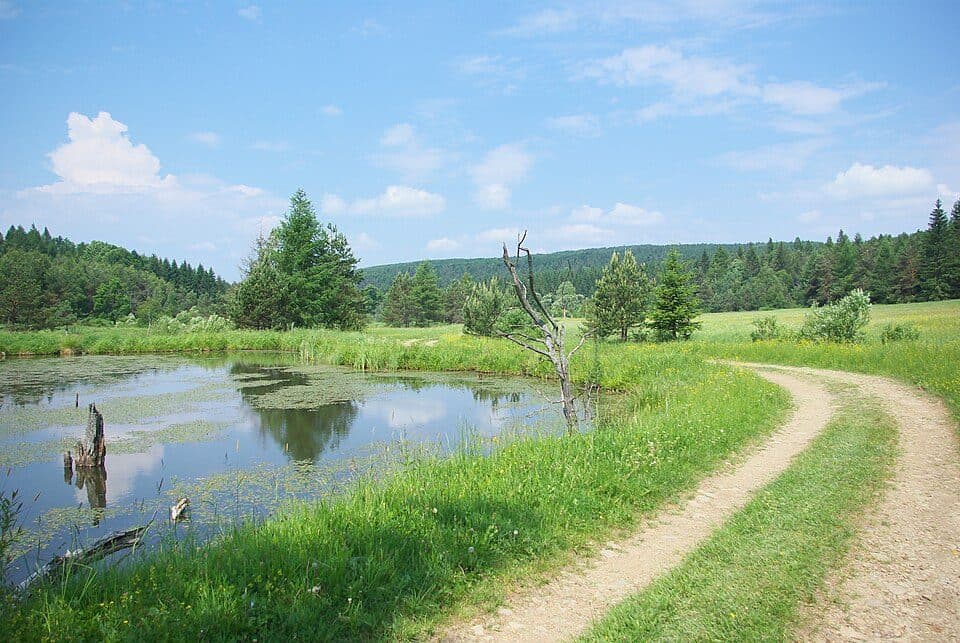
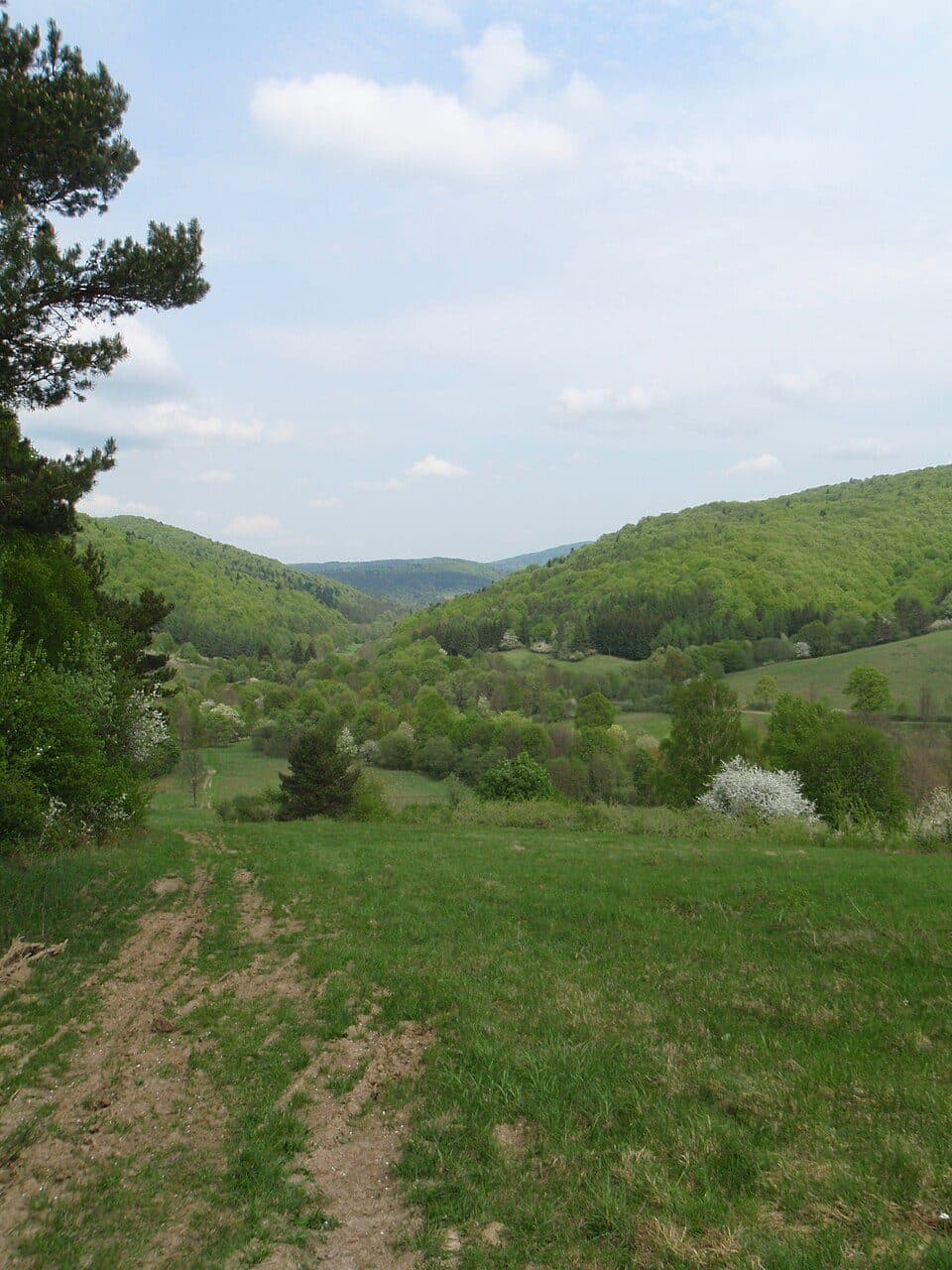
The landscape here is gentle and sweeping: broad forested ridges, mist-filled river valleys and sandstone rock formations that seem to grow straight out of the hillsides. Forests blanket nearly 70% of the region, dominated by beech and silver fir rather than spruce. The Magura National Park sits at the heart of the range, while the eastern part borders the wilder Bieszczady. Straddling the Polish–Slovak border, the Low Beskids offer a genuine cross-border hiking experience.
Highlights:- Lackowa (997 m / 3,271 ft) — the highest peak on the Polish side, rewarding hikers with views stretching to the Tatras and Bieszczady.
- Kornuty Rock Reserve on Magura Wątkowska — bizarre sandstone outcrops set inside a nature reserve; one of the most photogenic spots in the region.
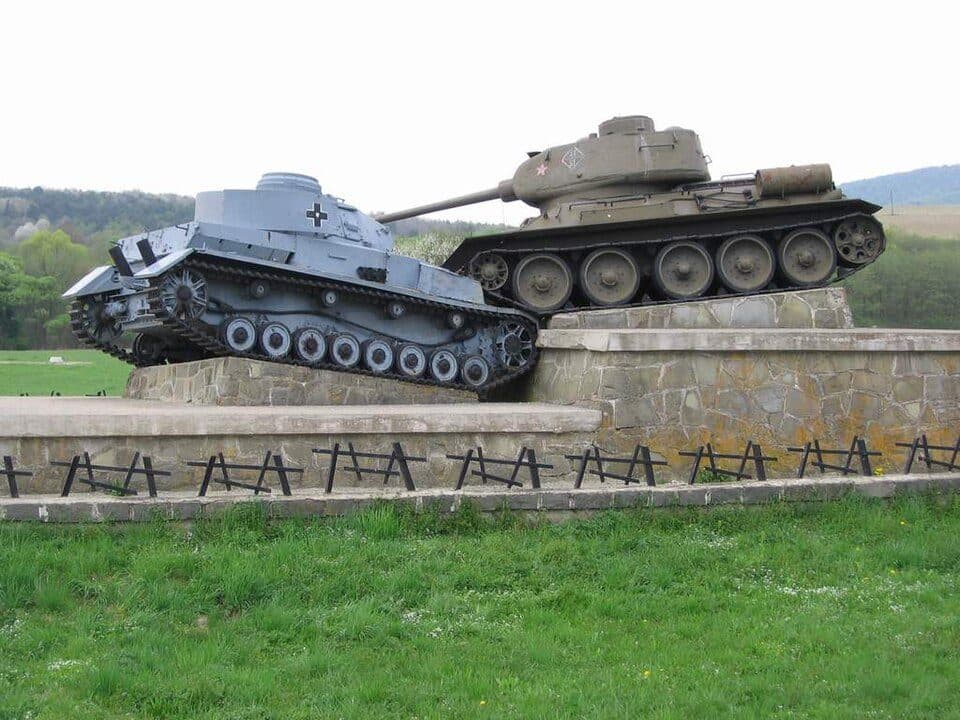
- Dukla Pass (500 m / 1,640 ft) — the lowest pass in the entire Carpathian arc and a site of significant WWII history.
- Spa towns: Iwonicz-Zdrój, Rymanów-Zdrój, Wysowa-Zdrój — charming mineral-water resorts perfect as hiking base camps.
- Best time: May–June and September–October — spring brings blooming forest floors; autumn turns the beeches golden and copper.
- Base towns: Krosno, Gorlice, Dukla, Rymanów-Zdrój or Wysowa-Zdrój.
- Trail difficulty: mostly easy to moderate — gentle terrain suitable for families, beginners and multi-day ridge walks alike.
- Getting there: best by car; regional buses connect main towns to Krosno and Gorlice; no direct rail access into the heart of the range.
Keep your eyes open: brown bears, lynx and wolves all roam these forests, making the Low Beskids one of the most genuinely wild corners of the Polish Carpathians.