Ładowanie mapy…
Weaver Cave
Cave
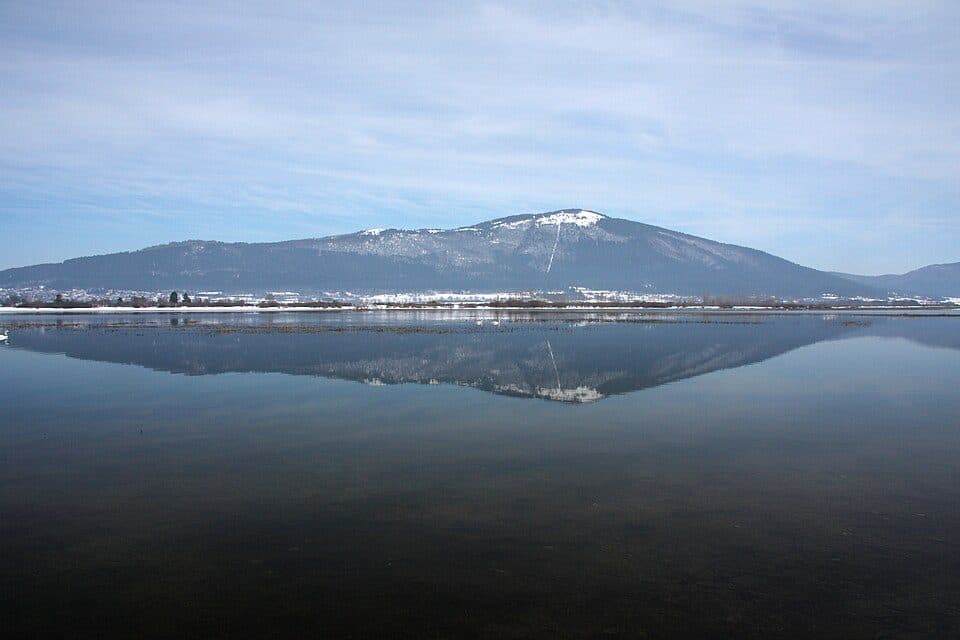
SnežnikWeaver Cave is one of Slovenia's most remarkable ponor caves, stretching nearly 2.9 km beneath the karst landscape. Located at the western, downstream end of the Rak Škocjan Valley, it marks the point where Rak Creek vanishes underground, only to resurface 2.8 km away in Planina Cave. This hidden waterway forms a vital link in the hydrological chain connecting Cerknica Polje to Planina Polje.
Inside, the cave takes its name from a stalagmite said to resemble a weaver at his loom—legend has it he was turned to stone for working on a Sunday. The Rak Škocjan Valley above is a dramatic, rugged landscape, crowned by the Great Natural Bridge, which can be admired both from above and from within the cave itself, a view once captured by painter Franz Goldenstein. After heavy rain combined with snowmelt, floodwaters here can rise as much as 19 metres, making this one of the most dramatic flood-prone karst sites in the entire Dinaric range.
How to get there- Rak Škocjan Valley, western end — accessible on foot, moderate difficulty
- Trail follows Rak Creek toward Planina Cave
- Exploring the underground passages requires caving equipment and experience — most of the cave was only mapped in 1974 during a diver rescue mission
- Water levels and accessibility vary seasonally; after rain the valley floor may be partially flooded
The cave was first described in 1687 by Johann Weikhard von Valvasor, who also published an engraving of it—making it one of the earliest documented caves in the region.