Ładowanie mapy…
Salzgrabenhöhle
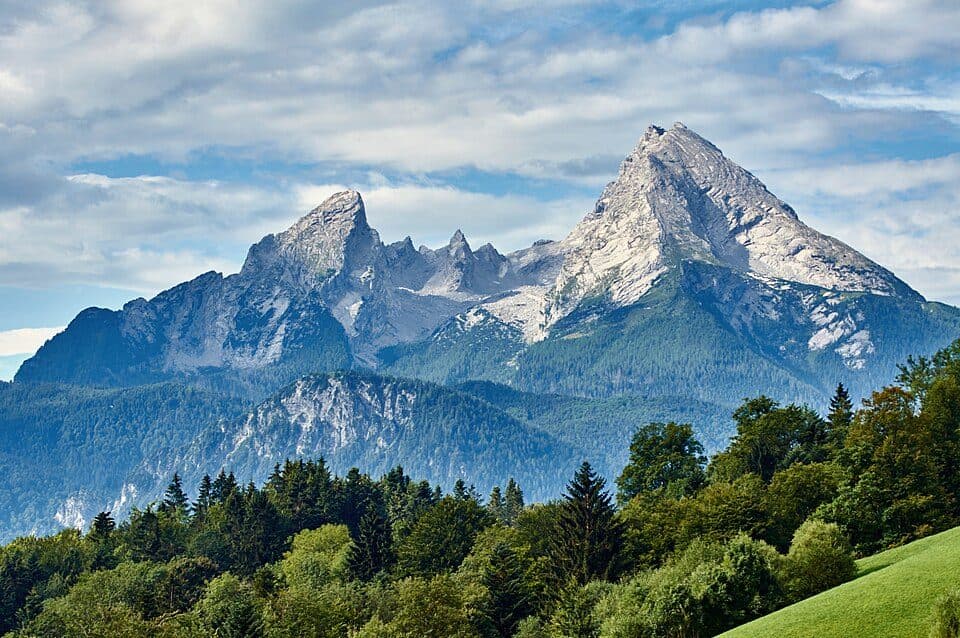
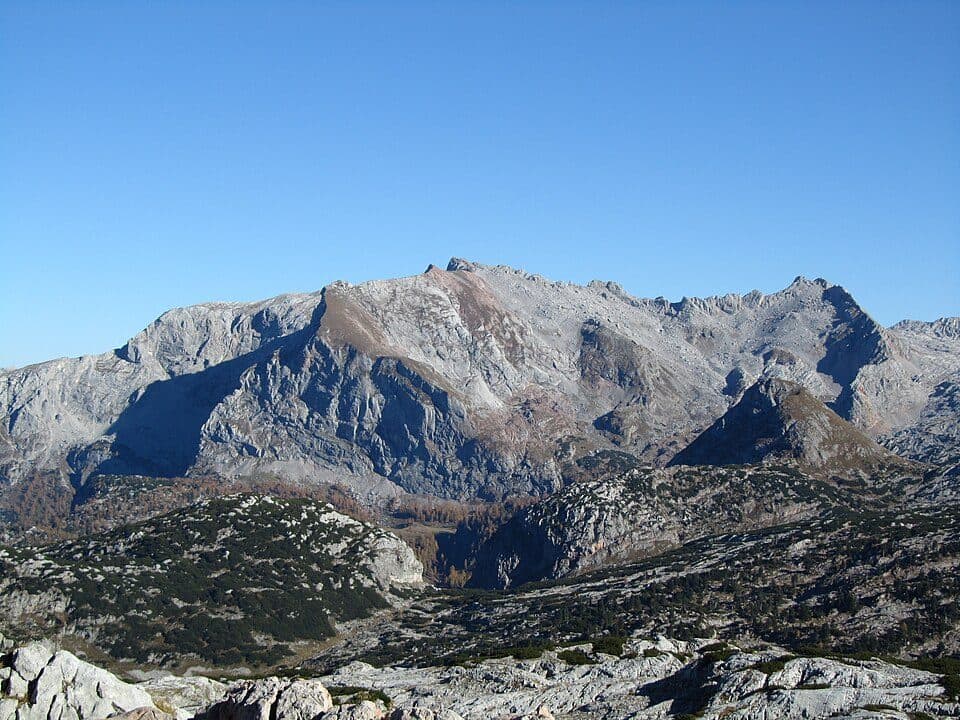
The Salzgrabenhöhle is one of the largest known cave systems in Germany, hidden within the Steinernes Meer massif in the Berchtesgaden Alps. Its winding network of passages, halls and shafts stretches for over 9 kilometers, hiding waterfalls, lakes, siphons and chimneys deep underground.
The cave entrance, roughly 8 m high and 20 m wide, sits at 960 m above sea level on the slopes of the Simetsberg facing the Königssee. Inside, the temperature stays cool year-round at around 4°C, and in winter much of the entrance area freezes over. The largest known chamber, the Mitternachtshalle, measures about 100 x 40 x 80 m, and the total elevation difference within the system reaches at least 414 meters between its lowest and highest known points. Fossils such as ammonites, corals and megalodons can be spotted on the walls, remnants of an ancient sea floor.
How to get there- Königssee area / Schönau am Königssee - approach towards the Simetsberg, demanding terrain, access only for prepared and equipped visitors
- The cave is not open to the public - its entrance is secured with a gate
- Access is prohibited from October 1 to April 30 due to bats' winter hibernation
- During the rest of the year, entry is only possible with permission from the Berchtesgaden National Park administration, which holds the key
- Water levels can rise rapidly and significantly after rainfall or snowmelt - proper equipment and experienced cavers are essential
Dye-tracing studies have shown that the Funtensee and Grünsee drain through the Salzgrabenhöhle on their way to the Königssee.