Ładowanie mapy…
Lake Cerknica
Jezioro
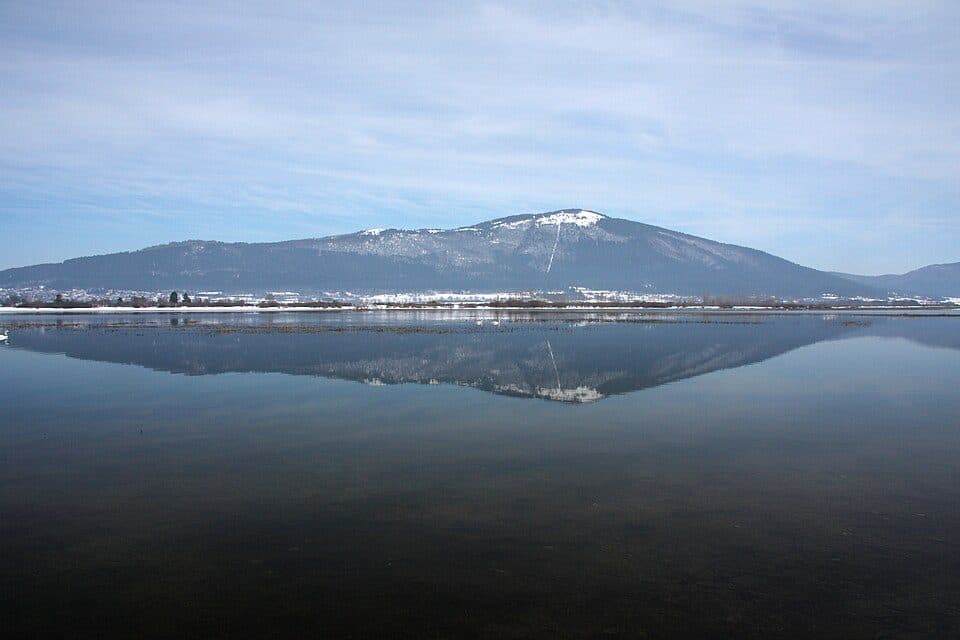
SnežnikLake Cerknica is one of Europe's most fascinating karst phenomena - Slovenia's largest lake, yet one that can vanish almost entirely by summer. This intermittent lake fills and drains through underground channels, creating a landscape that transforms dramatically throughout the year.
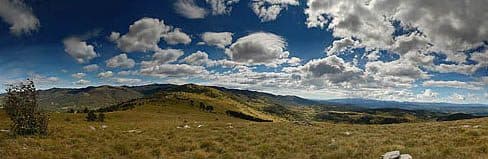
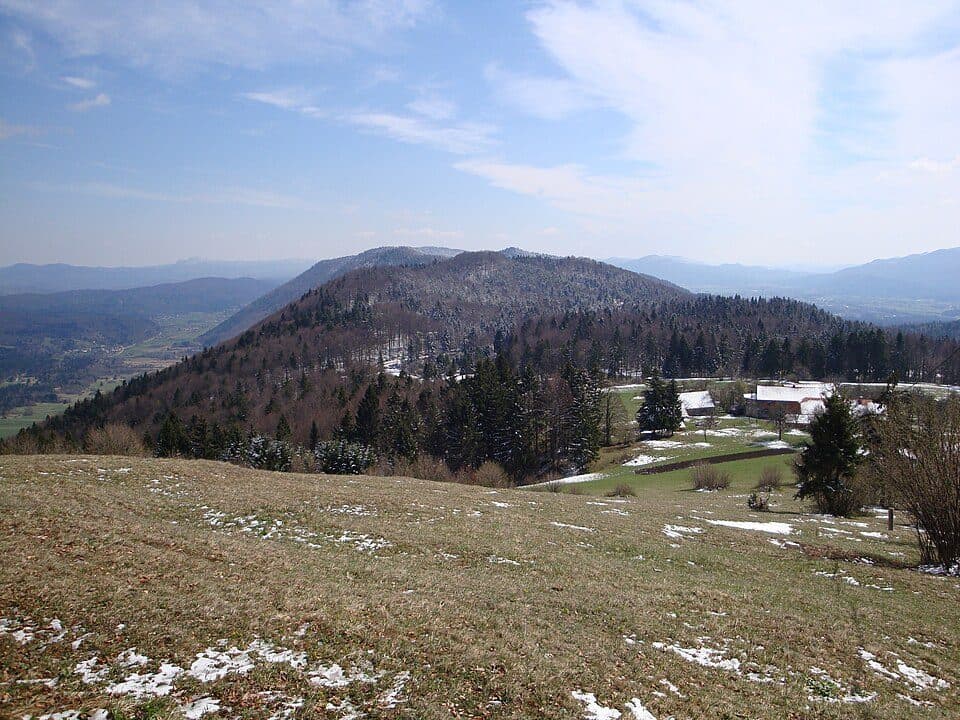
Set within the Cerknica Polje, the lake stretches from northwest to southeast, framed by the Javornik Hills to the south and Slivnica to the north, both part of the Dinaric Alps. When full, it can cover up to 38 km², turning the valley into a shimmering expanse popular with rowers and other watersports enthusiasts. Come summer, as rainfall eases, the water drains into subterranean caverns below, leaving behind lush meadows and grazing land. Autumn rains reverse the process quickly, sometimes flooding the surrounding countryside within days. Birdwatchers flock here year-round, as the wetlands attract an impressive variety of nesting species.
How to get there- Cerknica town (northern shore) — easy access, ideal starting point for exploring the lake area
- Paths around the lake — mostly easy walking trails suitable for families, depending on water levels
- Protected under two Natura 2000 areas and part of the Inner Carniola Regional Park
- Designated an Important Bird Area (IBA) by BirdLife International
- Water level highly variable — check current conditions before visiting
- Rich fish populations that disappear and return with the water
The ancient geographer Strabo referred to this lake as the marsh of Lugeon, and in 1687 polymath Johann Weikhard von Valvasor described its strange behavior in a letter to London's Royal Society - one of the earliest scientific accounts of a lake that can stay dry for over a year.