Ładowanie mapy…
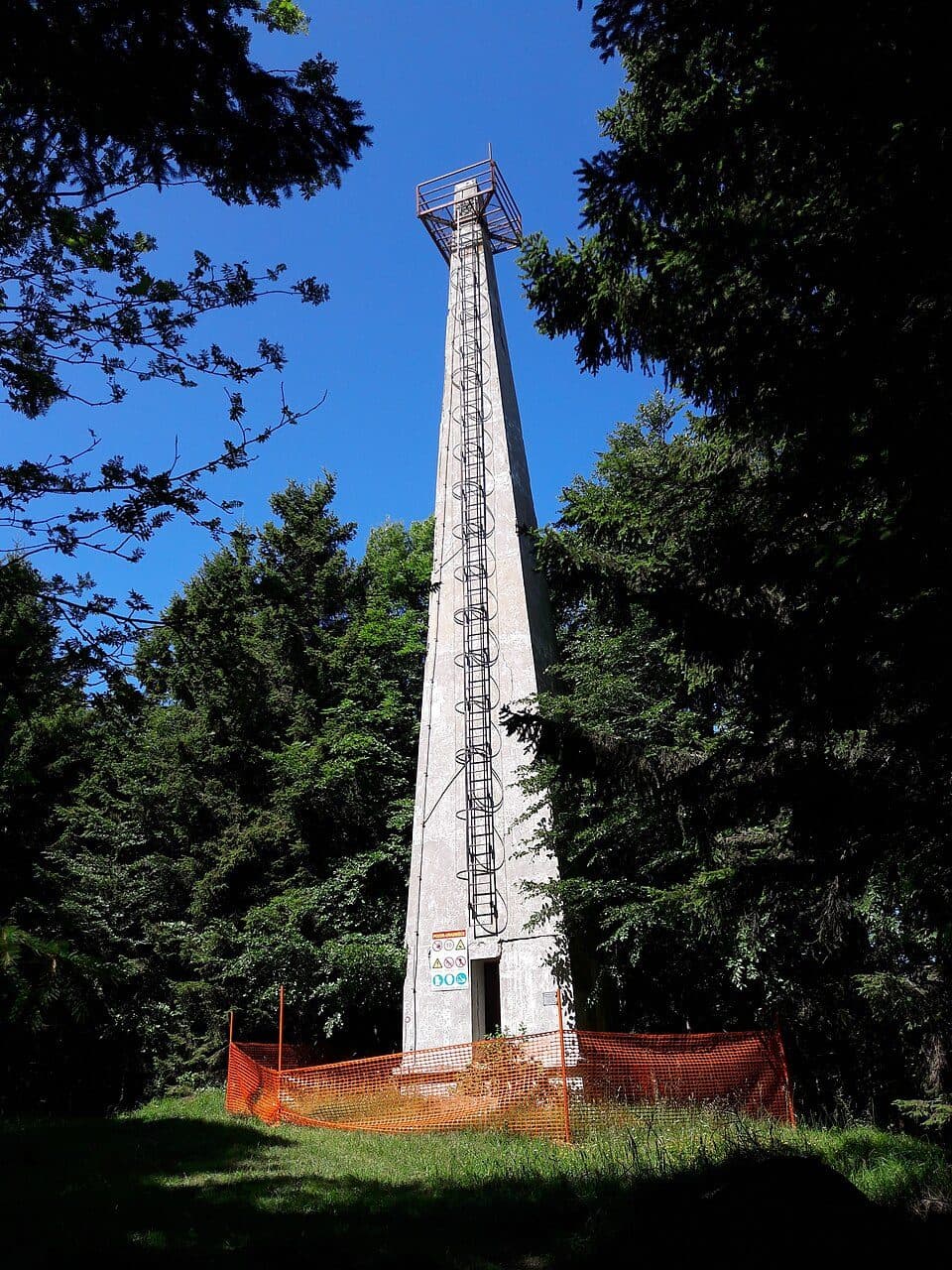
Maribor Water Tower
Water towers are among the most distinctive landmarks you might spot on a hike near towns and cities, and occasionally even in hilly terrain. While primarily functional structures, many carry fascinating history and architectural charm that draws in curious travelers and photographers alike.
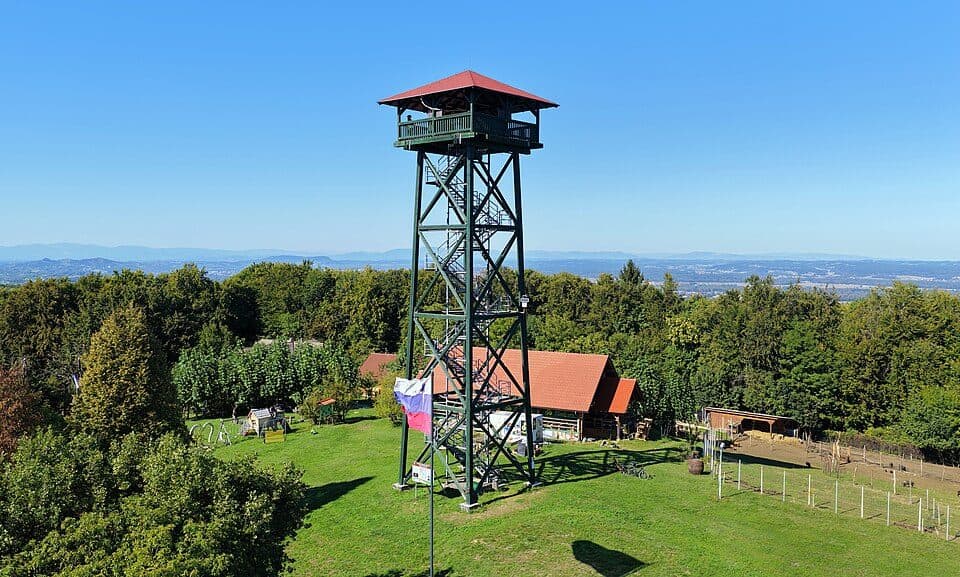
A water tower works through hydrostatic pressure — water stored at height flows down under gravity into the distribution system, keeping pressure steady even during power outages. A standard tower reaches roughly 40 metres in height, with tanks shaped as spheres, cylinders, or ellipsoids. Some historic towers have been converted into restaurants, observation points, or even apartments, making them worthwhile stops on a sightseeing walk.
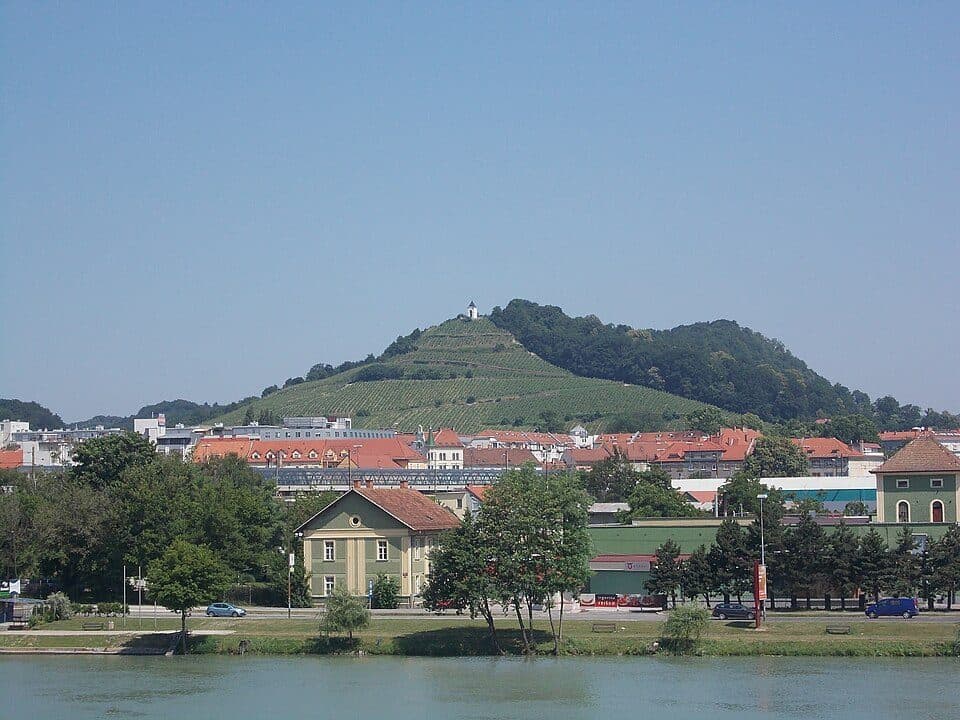
In hilly or mountainous regions, water towers often sit atop rises in the land, reinforcing their role as landmarks visible from a distance. In spring and summer surrounding greenery can soften their outline, while in autumn and winter their often brick or steel silhouettes stand starkly against grey skies.
How to get there- Nearest town or village — usually reachable via local roads or short walking paths; time and difficulty vary by location
- Check local signage, as many water towers stand near town centres or railway stations
- Standard height is around 40 m
- Some towers serve as observation decks or restaurants
- Certain examples are listed on heritage registers
Interestingly, some towns built water towers in pairs, playfully labeled HOT and COLD, while others use them to advertise local attractions or sports teams.