Ładowanie mapy…
Dźwiniacz Górny
Ruins
Bieszczady MountainsDźwiniacz Górny is one of those rare places in the Bieszczady Mountains that speaks through silence. A village that no longer exists, swallowed by history and wild nature in the far eastern corner of the Polish Carpathians — and that very emptiness is what makes it so haunting and worth seeking out.
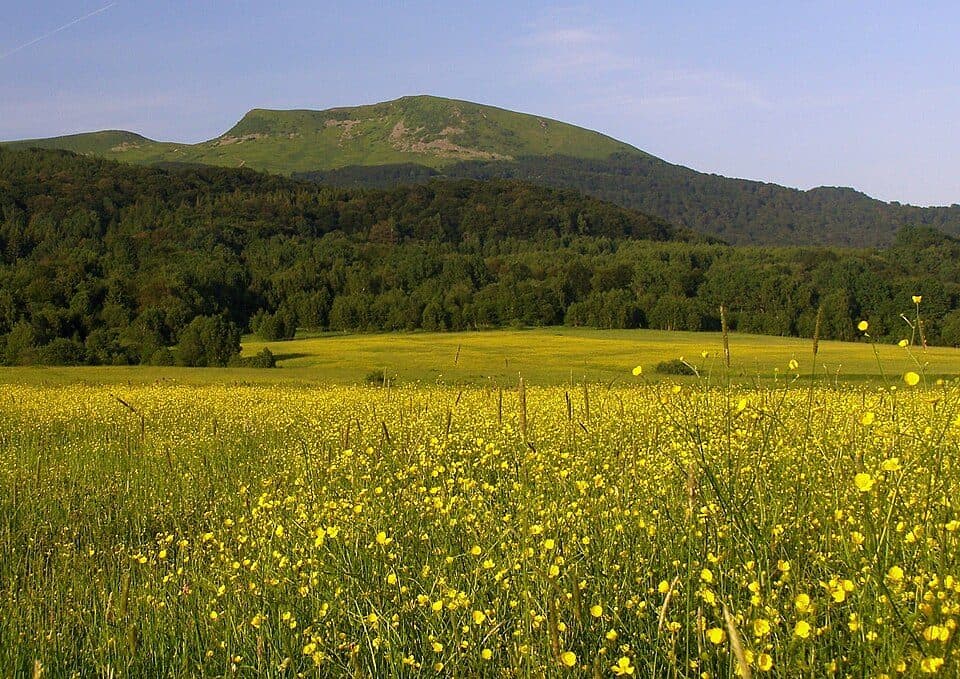
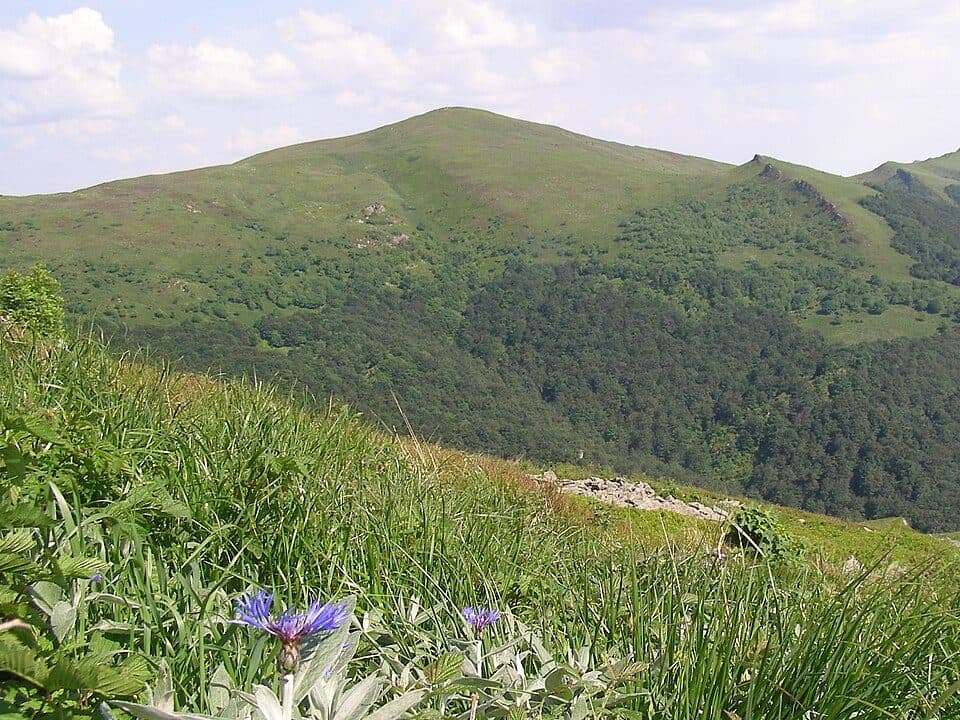
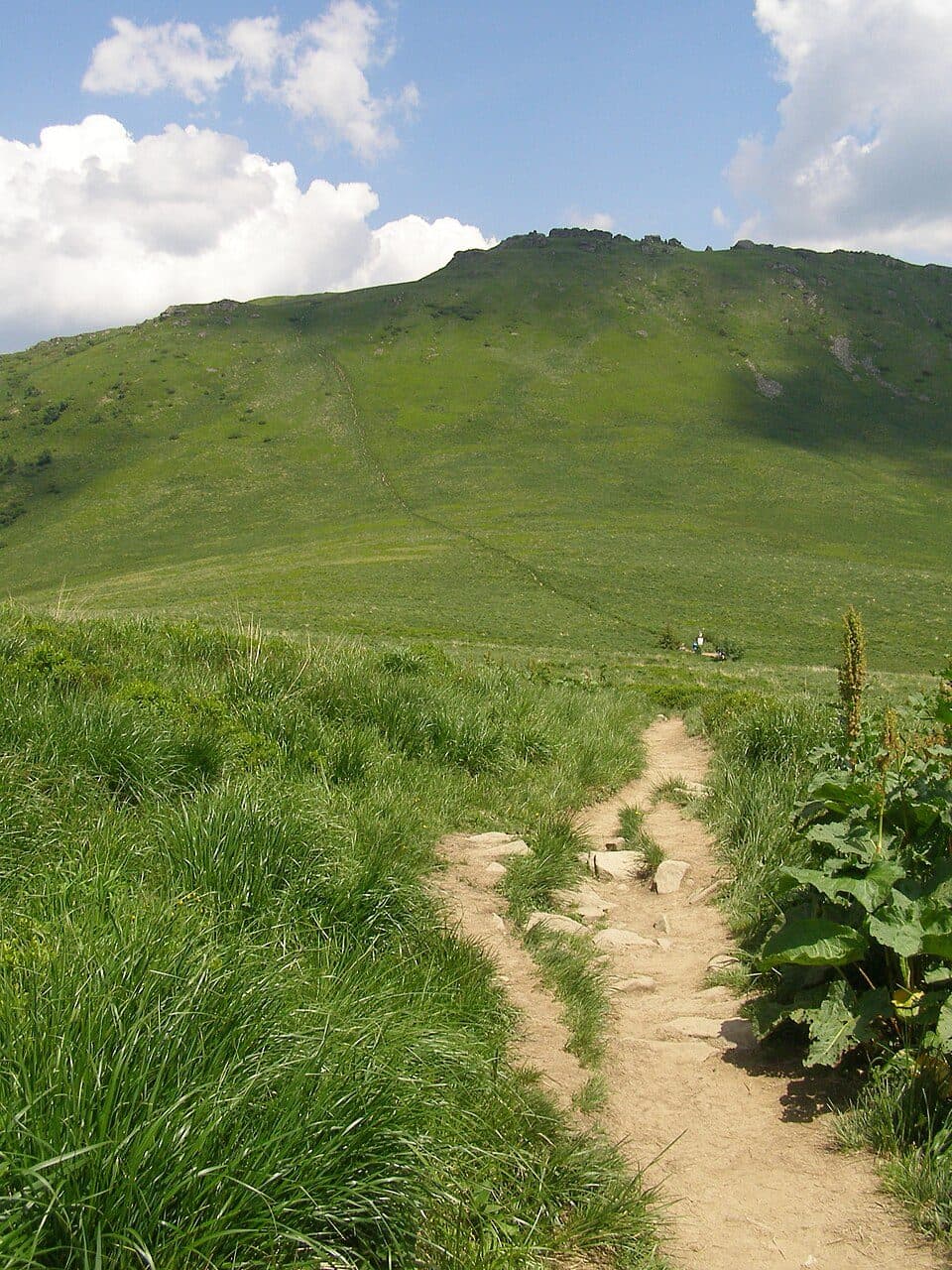
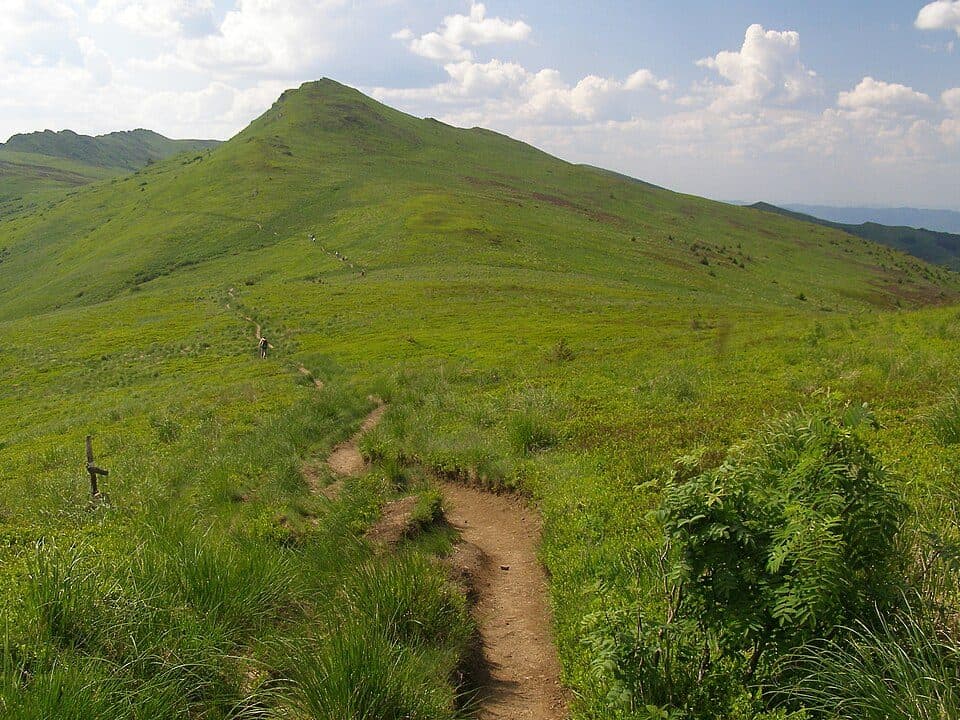
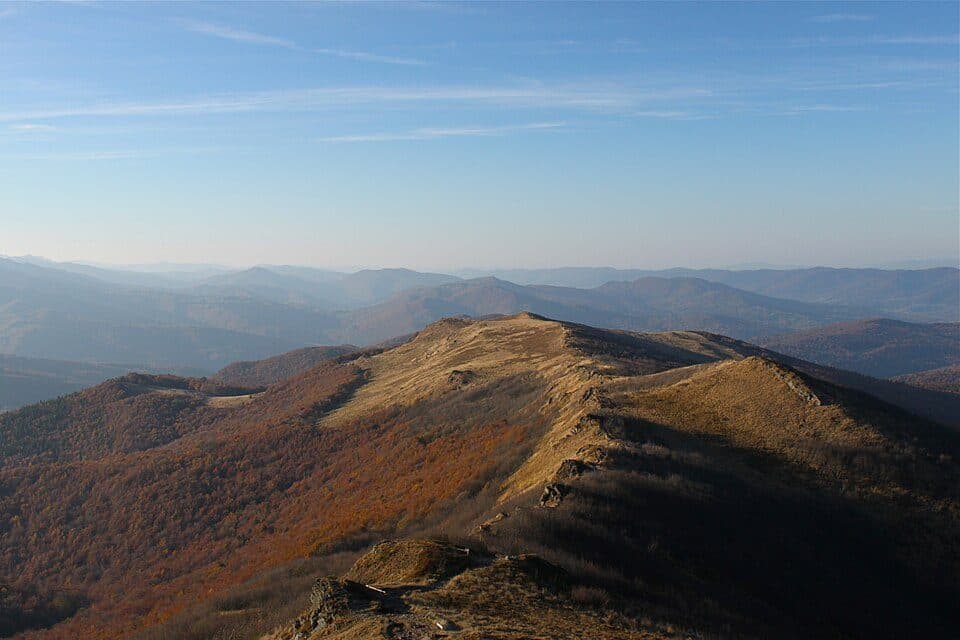
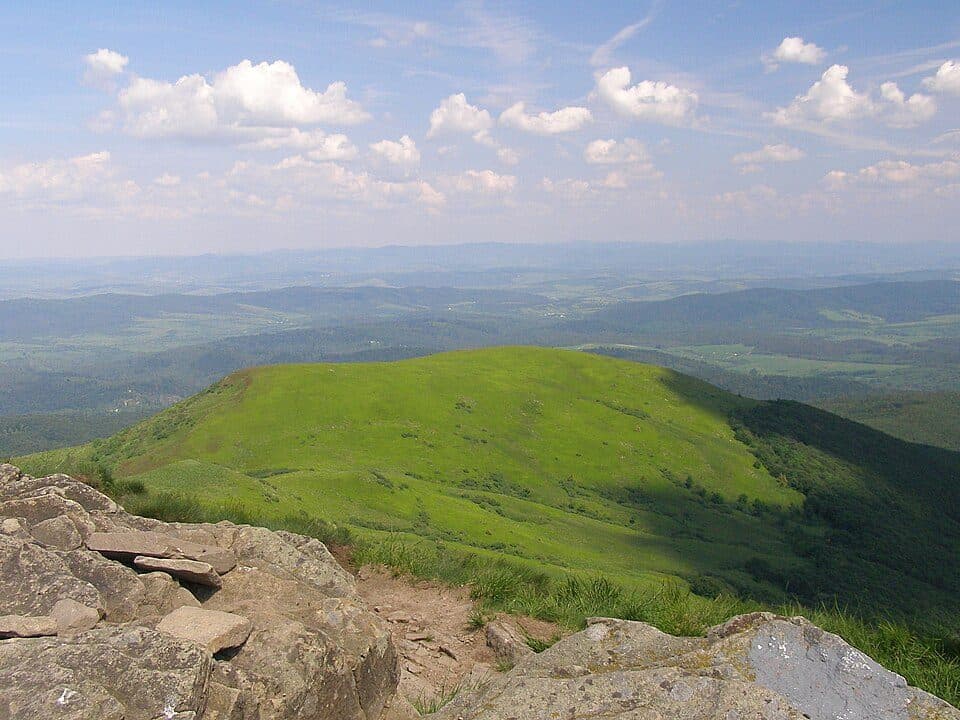
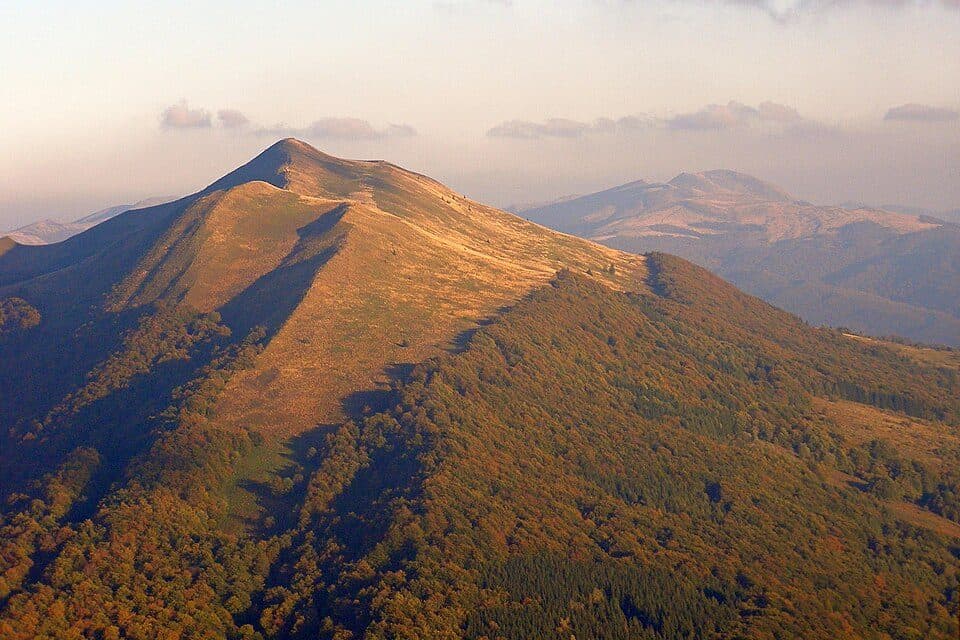
The area lies within the commune of Lutowiska, as part of the Stuposiany district. The landscape is quintessentially Bieszczady — gently rolling hills covered in beech and spruce forests, with occasional open meadows stretching toward the horizon. Spring brings vivid greens, summer fills the air with wild herbs and flowers, and autumn transforms the hillsides into a blaze of gold and amber. Winter turns the area into a silent, rarely visited wilderness.
How to get there- Stuposiany — the nearest village and the best starting point for exploring the area on foot; terrain is gentle to moderate.
- Lutowiska — the closest town with tourist facilities, reachable by car heading toward Stuposiany.
- The area is close to or within Bieszczady National Park — nature protection rules apply.
- The source of the Dniester River lies just 8 km to the northeast — an excellent addition to any visit here.
Once a vibrant, multi-ethnic community of Greek Catholics, Jews and Poles numbering over 1,500 people by 1938, Dźwiniacz Górny was erased from the map in 1946 when its territory was divided between Poland and Soviet Ukraine. Walking here is a quiet reminder of lives and cultures that have vanished.
Accommodation nearby
Find hotels on Booking.comNearby peaks